-
E-mail
3154897564@qq.com
-
Phone
17765106485
-
Address
Building 4, No. 686 Nanfeng Road, Fengcheng Town, Fengxian District, Shanghai
Product Categories
Shanghai Tiandao Instrument Co., Ltd
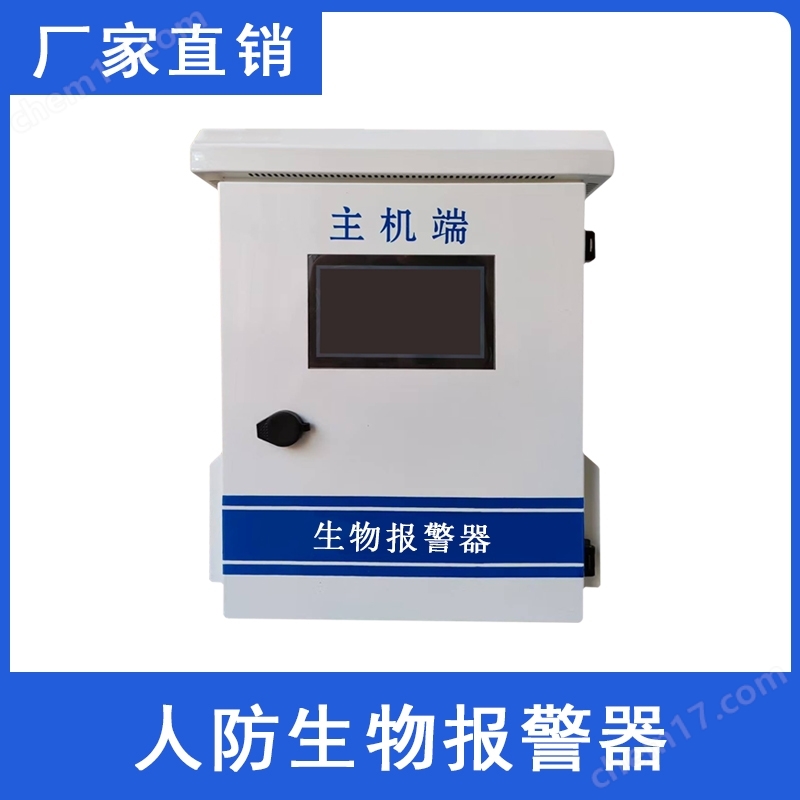

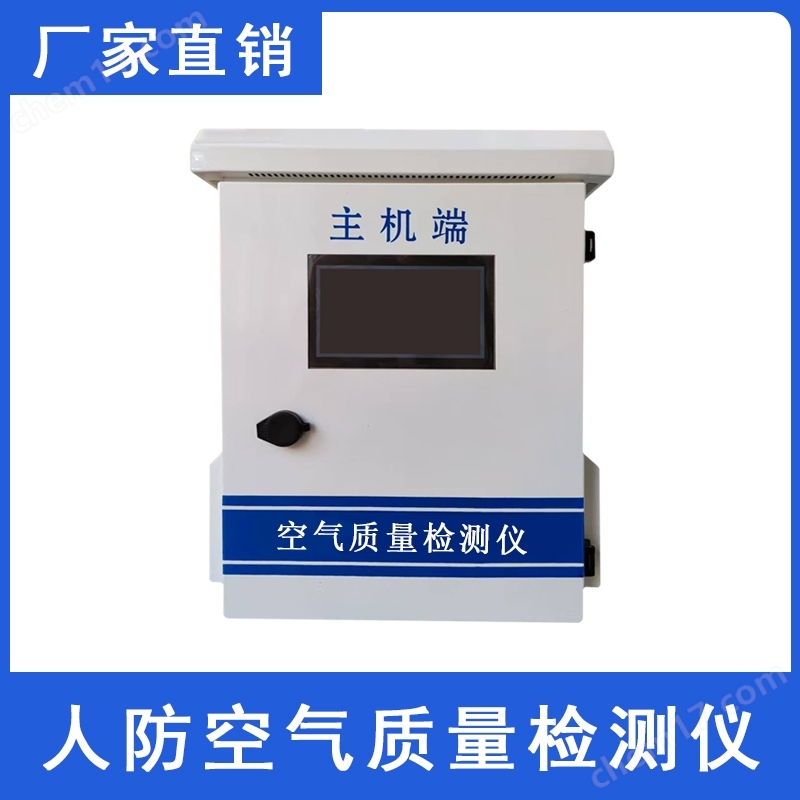

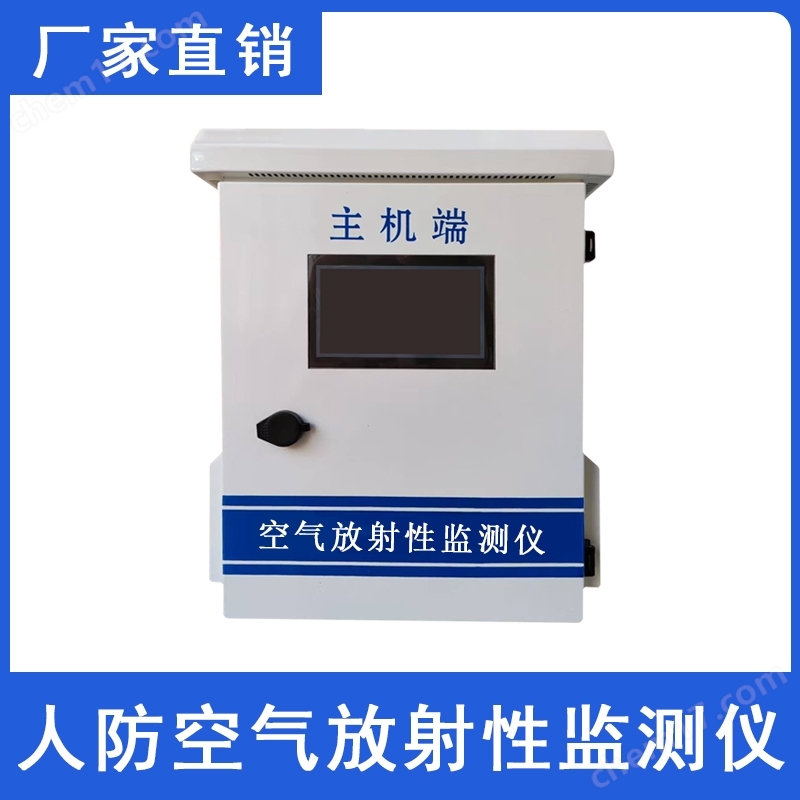
Yunyang County Experimental Building Civil Air Defense Biological Alarm YY-SW18
NegotiableUpdate on 01/31
- Model
- Nature of the Manufacturer
- Producers
- Product Category
- Place of Origin
Overview
It provides real-time information about changes in biological status for people through its keen capture and precise analysis of biological signals, and has shown great potential for applications in ecological protection, medical health, and industrial production. Yunyang County Experimental Building Civil Air Defense Biological Alarm YY-SW18
Product Details
1、 IntroductionYunyang County Experimental Building Civil Air Defense Biological AlarmYY-SW18
In today's era of rapid technological development, biological alarms, as an innovative technological means, are gradually emerging in multiple fields. It provides real-time information about changes in biological status for people through its keen capture and precise analysis of biological signals, and has shown great potential for applications in ecological protection, medical health, and industrial production.
2、 Working principle of biological alarmYunyang County Experimental Building Civil Air Defense Biological AlarmYY-SW18
1. Perception of biological signals: The core of a biological alarm lies in its ability to perceive signals generated by specific organisms. These signals can be chemical substances secreted by organisms, such as hormones, neurotransmitters, etc., or they can be bioelectric signals, such as electrocardiograms(The cardiac electrical activity recorded by ECG, or the brain neural electrical signals captured by electroencephalography (EEG). Taking the biological alarm for detecting water pollution as an example, certain aquatic organisms release specific chemicals as stress responses when stimulated by pollutants, and the sensor of the alarm can accurately identify these substances.
2. Signal conversion and processing: Perceived biological signals are usually weak and complex, requiring signal conversion devices to convert them into processable electrical or digital signals. For example, chemical sensors convert changes in chemical concentration into changes in electrical signals, which are then amplified, filtered, denoised, and processed by microprocessors to extract valuable information features.
3. Data analysis and alarm triggering: The processed signal is transmitted to the data analysis system, which uses pre-set algorithms and thresholds to determine whether the biological state is abnormal. If the analysis results exceed the normal range, the alarm will trigger an alert to inform the user in the form of sound, flashing light, or text message notification. For example, in medical monitoring, when the patient's physiological indicators such as heart rate or blood pressure exceed the safe range, the biological alarm will immediately sound an alarm to remind medical staff to take timely measures.
3、 Application Fields of Biological Alarm Devices
1. environmental monitoring
oWater quality monitoring: In water environments such as rivers, lakes, and oceans, biological alarms can utilize the sensitivity of aquatic organisms to pollutants to monitor water quality. For example, some plankton are very sensitive to heavy metal ions or organic pollutants. When they are affected by pollution, their physiological state will change. Biological alarms detect these changes to determine the degree of water pollution, timely discover pollution sources, and provide strong support for water resource protection.
oAir quality monitoring: Certain microorganisms or plants have specific reactions to harmful gases in the air, such as sulfur dioxide, nitrogen oxides, etc. Biological alarms can evaluate air quality by monitoring physiological changes in these organisms, such as changes in photosynthetic efficiency and abnormal respiratory rates, providing a basis for urban air pollution warning.
2. healthcare
oEarly diagnosis of diseases: Many diseases can cause changes in specific biomarkers in the body in the early stages. Biological alarms can detect these biomarkers in blood, urine, or saliva, enabling early diagnosis of diseases. For example, the detection of tumor markers can help detect lesions in the early stages of cancer and improve the success rate.
oHealth monitoring: For patients with chronic diseases or the elderly, wearable biological alarms can monitor physiological indicators such as heart rate, blood pressure, and blood sugar in real time, and transmit data to the terminal devices of medical staff or family members in real time. Once an abnormality occurs, immediately issue an alarm to ensure that patients receive timely medical intervention and improve their quality of life and safety.
3. industrial production
oFood processing: Biological alarms can be used to monitor microbial contamination in food during the food production process. By detecting the metabolic products or bioelectric signals produced by microorganisms, harmful microorganisms in food can be detected in a timely manner, preventing food spoilage and the spread of foodborne diseases, and ensuring food safety.
oBiopharmaceuticals: Real time monitoring of cell growth status in bioreactors is crucial in the biopharmaceutical production process. Biological alarms can monitor parameters such as cellular metabolites and oxygen consumption, helping to optimize production processes and ensure the stability and consistency of drug quality.
4、 Advantages of Biological Alarm Devices
1. High sensitivity: capable of detecting trace changes in biological signals, compared to traditional detection methods, it can detect abnormalities in biological states earlier, buying valuable time for timely measures. For example, in early diagnosis of diseases, low concentrations of biomarkers can be detected, increasing the probability of early detection of diseases.
2. Strong specificity: Highly selective for specific biological signals, able to accurately identify target biomarkers or changes in biological status, reducing false alarm rates. In environmental monitoring, it is possible to accurately distinguish the impact of different types of pollutants on organisms.
3. Real time: It can continuously monitor the biological status in real time, provide feedback on new information at any time, and enable relevant personnel to make timely decisions. Whether it is real-time health monitoring in the field of healthcare or process monitoring in industrial production, real-time performance is of great significance.
4. Non invasive or minimally invasive: In medical applications, some biological alarms use non-invasive or minimally invasive detection methods, such as wearable devices that monitor physiological signals through the skin surface, reducing patient pain and infection risk, and improving patient acceptance and compliance.
Similar Product Recommend
