-
E-mail
3154897564@qq.com
-
Phone
17765106485
-
Address
Building 4, No. 686 Nanfeng Road, Fengcheng Town, Fengxian District, Shanghai
Product Categories
Shanghai Tiandao Instrument Co., Ltd
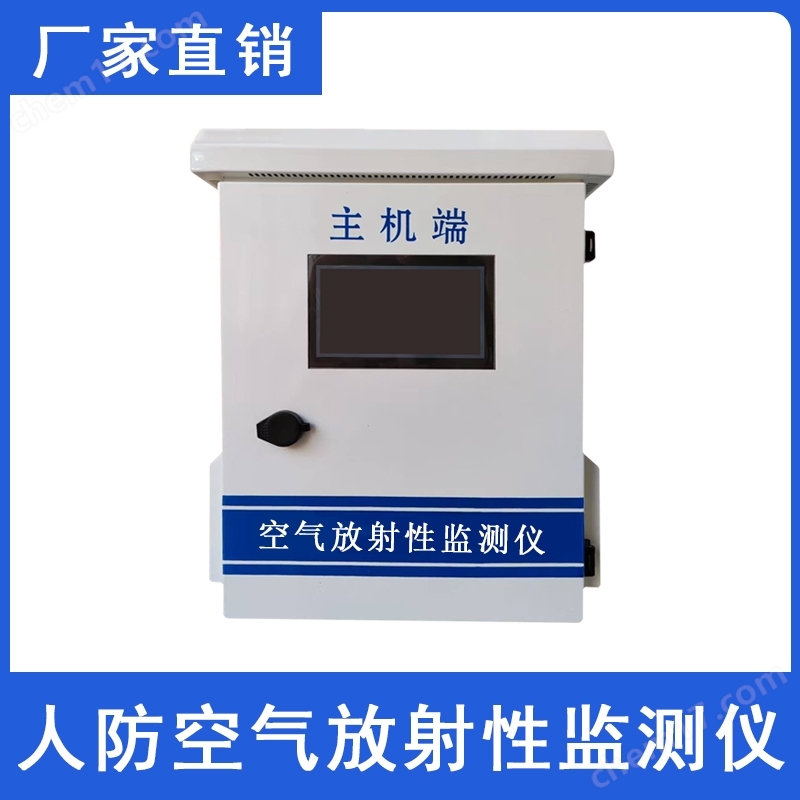

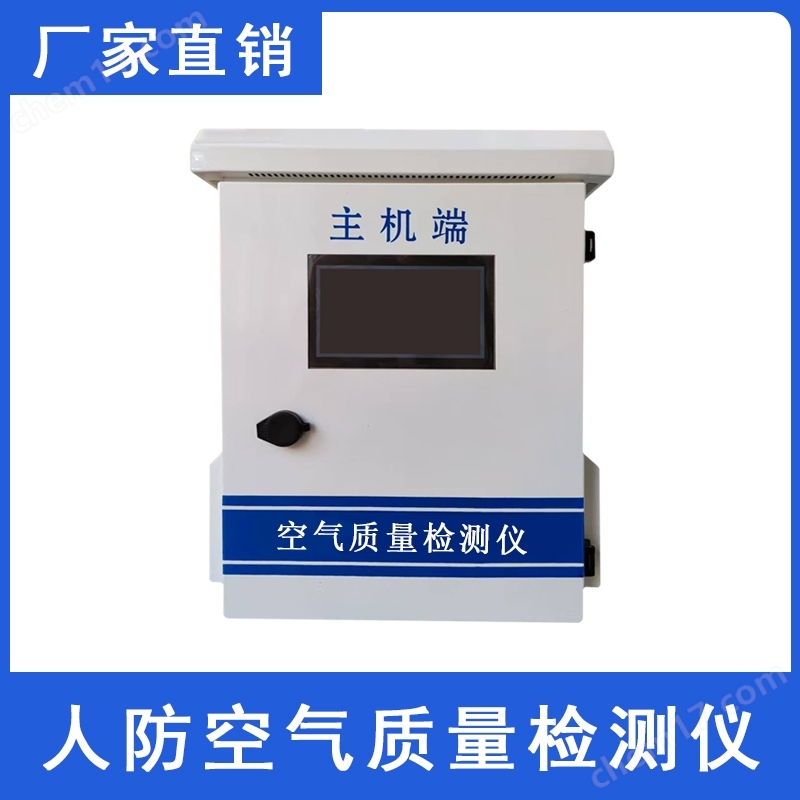

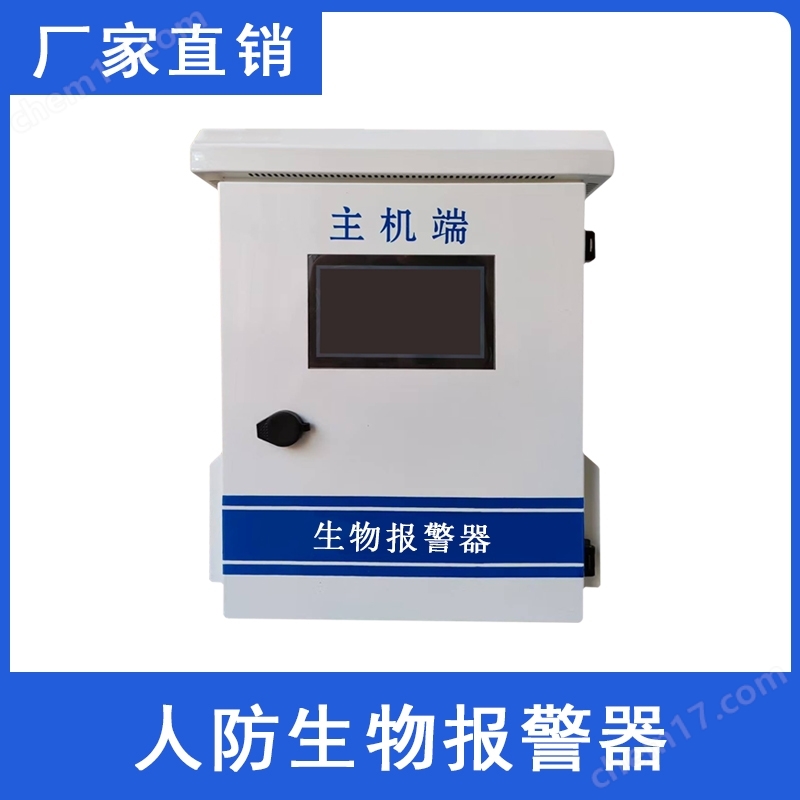
FD-FS18 air radioactive monitoring instrument for commercial buildings in Fengdu County
NegotiableUpdate on 01/31
- Model
- Nature of the Manufacturer
- Producers
- Product Category
- Place of Origin
Overview
Air radioactive monitoring device is a professional instrument used for real-time monitoring of the concentration of radioactive substances in the air, mainly for rapid and accurate measurement and analysis of aerosols and radioactive gases (such as radon, thorium, etc.). FD-FS18 air radioactive monitoring instrument for commercial buildings in Fengdu County
Product Details
1、 Product Overview
Air radioactive monitoring device is a professional instrument used for real-time monitoring of the concentration of radioactive substances in the air, mainly for rapid and accurate measurement and analysis of aerosols and radioactive gases (such as radon, thorium, etc.). This device integrates functional modules such as sampling, detection, and data processing, and is widely used in the monitoring of the surrounding environment of nuclear facilities, safety protection of nuclear power plants, supervision of radioactive material transportation, emergency response to sudden nuclear accidents, and environmental protection. It provides key data support for radiation protection decision-making, environmental safety assessment, and public health protection.FD-FS18 air radioactive monitoring instrument for commercial buildings in Fengdu County
2、 Core functions
1. Radioactive aerosol monitoringCapture suspended particulate matter in the air through efficient air sampling devices and use detectors (such as...)NaI(Tl)Measurement of radioactive activity concentration using scintillation detectors, semiconductor detectors, etc., can identifyalphaTheB、γWait for different types of radiation to achieve rapid screening of radioactive nuclides such as uranium, plutonium, radium, etc.
2. Radioactive gas monitoringEquipped with a dedicated gas sampling and analysis module, targeting radon(Rn-222)Thorium gas(Rn-220)Concentration monitoring of radioactive gases such as their derivatives is carried out using electrostatic collection, activated carbon adsorption, or diffusion detection techniques to ensure high-precision measurement of low concentration gases.
3. Real time data collection and transmissionBuilt in high-precision data acquisition unit, capable of real-time recording of key parameters such as radioactive count rate, dose rate, cumulative dose, etc., and through wired communication(RS485Ethernet or wireless(4GTheLoRaTheWiFi)Upload data to the monitoring center in a way that supports remote real-time monitoring and data sharing.
4. Automatic alarm and warningEquipped with multi-level alarm threshold setting function, when the detected radioactive concentration exceeds the preset threshold, warning signals can be issued in a timely manner through various methods such as sound and light alarms, SMS notifications, system pop ups, etc., reminding staff to take emergency measures to prevent the expansion of radiation hazards.
5. Data Storage and AnalysisBuilt in large capacity storage chip, can store historical monitoring data for a long time, supports data export (such asExcelTheCSVFormat and trend analysis are used to generate monitoring reports, concentration change curves, etc. through supporting software, providing data basis for radiation environment assessment.
6. Environmental adaptability designThe equipment adopts an industrial grade protective shell, which has the ability to prevent dust, water, and electromagnetic interference, and can work stably in harsh environments; Some models support portable design and are equipped with rechargeable batteries to meet on-site emergency monitoring needs.
3、 Technical parameters
1. Detection type:alphaRadiationBRadiationγRadiation (optional neutron detection module);FD-FS18 air radioactive monitoring instrument for commercial buildings in Fengdu County
2. Detector performance:NaI(Tl)Scintillation detector(γdetection efficiency≥30%@Cs-137Energy resolution≤8%), or semiconductor detectors (energy resolution)≤ 0.3keV@5.9keV,alphadetection efficiency≥90%);
3. measurement rangeAerosol radioactive concentration0.01Bq/m³~1000Bq/m³Radon concentration0.1Bq/m³~10000Bq/m³(depending on the model);
4. sampling flow:50L/min~500L/min(Adjustable, aerosol sampling);
5. sensitivity: Minimum detectable activity concentration≤0.01Bq/m³(Accumulated measurement time)30Minutes);
6. Data collection interval:1minute~60Minutes (adjustable);
7. alarm methodSound and light alarm (volume)≥85dBredLEDIndicator light), remote alarm (supported)TCP/IPAgreement);
8. working environment: Temperature-20℃~+50℃Relative humidity≤95%(No condensation);
9. power supply method:AC 220V±10%, orDC 12V(Portable model);
10. communication interface:RS485Ethernet4GModule (optional);
11. Overall dimensionsFixed type approximately450mm×350mm×200mmPortable About300mm×200mm×150mm(The specific product model shall prevail);
12. weightFixed type approximately15kgPortable About5kg(including battery).
4、 Application scenarios
1. Environmental monitoring of nuclear facilitiesConventional environmental radiation monitoring around nuclear facilities such as nuclear power plants, nuclear reactors, and nuclear fuel processing plants, to real-time monitor the spread of radioactive substances and ensure the safety of surrounding residents and the environment.
2. Radiation emergency responseIn the event of a sudden nuclear accident such as a nuclear leak or loss of radioactive material, rapid deployment of equipment for on-site monitoring of air radioactive concentration provides data support for emergency command, personnel evacuation, and pollution control.
3. Environmental Protection and RegulationThe environmental protection department conducts regular monitoring of air radiation levels in places such as radioactive waste disposal sites, hospital radiology departments, and research institutions' radiation laboratories to ensure compliance with national radiation environmental standards.
4. Entry-Exit Inspection and QuarantineConduct air radiation screening on vehicles and containers transporting radioactive materials at customs and ports to prevent the entry or spread of illegal radioactive materials.
5. Research and TeachingWhen conducting radiation environment research and nuclear physics experiments in universities and research institutes, it is used for measuring the background value of air radioactivity and evaluating the safety of experimental environments.
6. Mining and Geological ExplorationDuring the mining process of uranium and rare earth mines, monitor the concentration of radioactive aerosols in the working environment air to protect the occupational health of miners.
5、 Product advantages
1. High precision and high reliabilityAdopting * detection technology and signal processing algorithms to ensure the accuracy and stability of monitoring data, meeting the strict requirements of radiation protection for data accuracy.
2. Intelligence and automationAutomated monitoring throughout the entire process, eliminating the need for manual intervention and reducing human error; Support remote control and data management, reduce operation and maintenance costs, and improve work efficiency.
3. Quick response and real-time monitoringSampling and detection are carried out synchronously, with timely data updates, which can capture changes in radioactive concentration in a short period of time and buy time for emergency decision-making.
4. Multi-functional integrationIntegrating sampling, detection, alarm, and data processing, with comprehensive functions to meet monitoring needs in different scenarios and avoid the complexity of multi device collaborative work.
5. Compliance and StandardizationThe product complies with the International Electrotechnical Commission(IEC)National Metrological Verification Regulations(JJG)According to relevant standards and through institutional certification, ensure the legality and validity of monitoring data.
6、 Precautions
1. Regular calibration and maintenanceThe equipment should be regularly calibrated (recommended at least once a year), and consumables such as sampling filters and detector windows should be replaced to ensure stable detection performance; Regularly check the circuit connections and sensor status to prevent malfunctions from occurring.
2. Correct site selection and installationFixed equipment should be installed in representative areas, avoiding proximity to pollution sources, strong electromagnetic interference sources, or densely populated areas; The height of the sampling port should meet the requirements of monitoring standards (such as1.5~2m)Ensure the collection of representative air samples.
3. Safety operation standardsOperators need to undergo professional training, be familiar with equipment operation procedures and radiation protection knowledge, and wear personal dosimeters; Strictly follow radiation protection when working in high radiation areas“Time, distance, and shielding”Three principles.
4. Data validity verificationMonitoring data should be comprehensively analyzed in conjunction with environmental background values, meteorological conditions, and other factors to eliminate the impact of interference factors (such as natural radioactive background and instrument drift) on data accuracy.
5. Emergency Response PlanEstablish a comprehensive emergency response plan for equipment failures, and promptly activate backup equipment when equipment malfunctions to ensure uninterrupted monitoring work; After the alarm is triggered, immediately initiate the emergency response process, verify the cause of the alarm, and take corresponding measures.
7、 Summary
As a key equipment for radiation environment monitoring, the air radioactive monitoring device achieves real-time and accurate monitoring of radioactive substances in the air through its detection technology and intelligent management functions, providing strong guarantees for nuclear safety protection, environmental protection, and public health. Its wide range of application scenarios, comprehensive functional configuration, and reliable performance make it an important tool in the field of radiation monitoring, playing a crucial role in promoting the safe application of nuclear technology and preventing radiation risks. With the continuous expansion of nuclear technology applications and the increasing public attention to environmental safety, air radiation monitoring devices will develop towards higher sensitivity, stronger intelligence, and wider environmental adaptability, contributing to the construction of a safe and green radiation environment.
Similar Product Recommend
