-
E-mail
3154897564@qq.com
-
Phone
17765106485
-
Address
Building 4, No. 686 Nanfeng Road, Fengcheng Town, Fengxian District, Shanghai
Product Categories
Shanghai Tiandao Instrument Co., Ltd

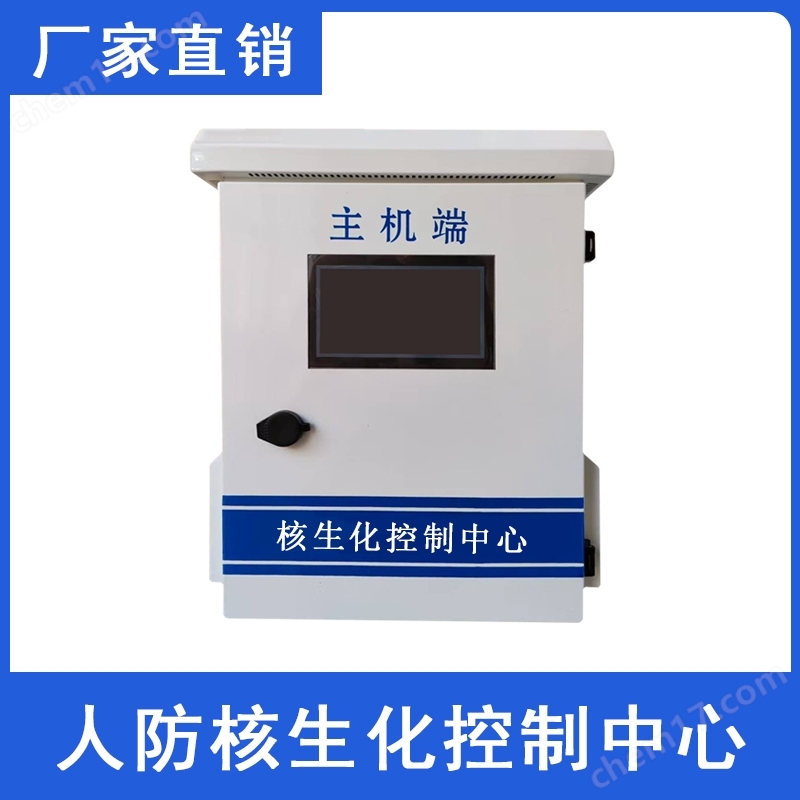
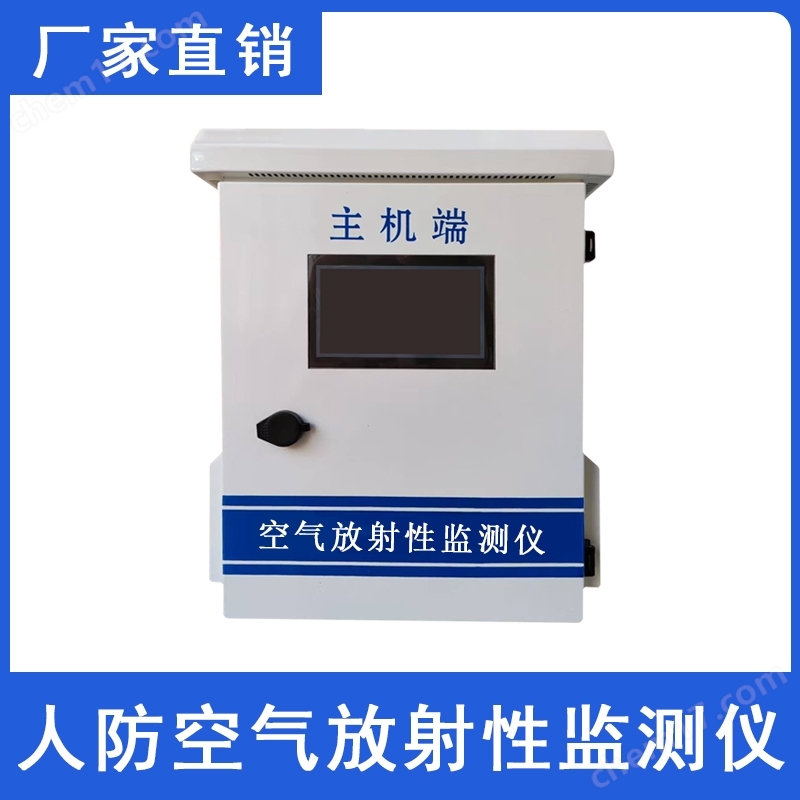

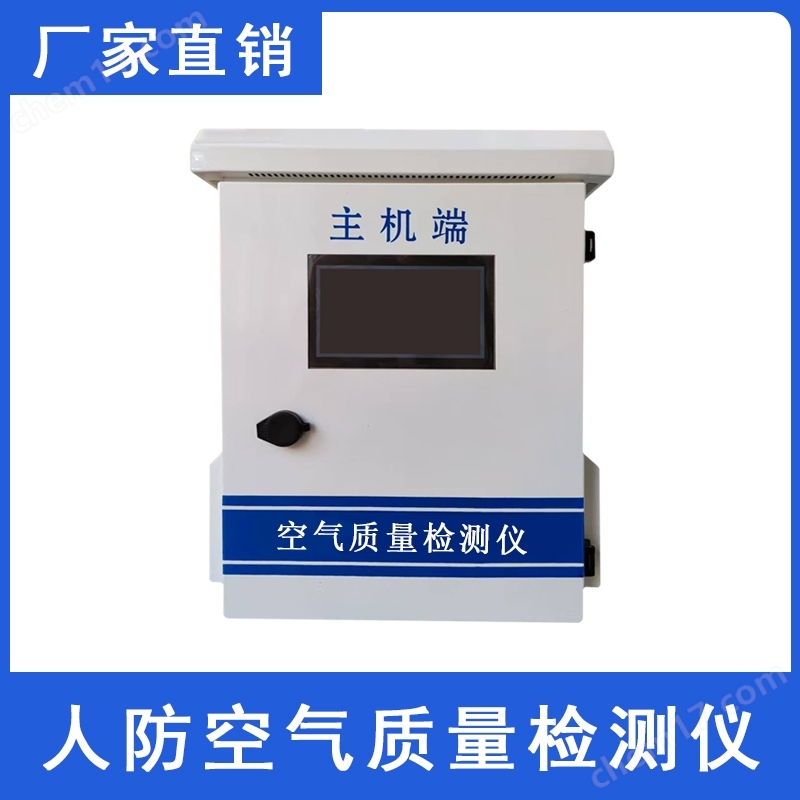
Fengjie County School Civil Air Defense Type C Radiation Alarm FJ-BZ18
NegotiableUpdate on 01/31
- Model
- Nature of the Manufacturer
- Producers
- Product Category
- Place of Origin
Overview
In many fields such as modern industry, medicine, and scientific research, the application of radioactive materials is becoming increasingly widespread. Fengjie County School Civil Air Defense Type C Radiation Alarm FJ-BZ18
Product Details
Type C radiation alarm: an important equipment for ensuring radiation safety
1、 IntroductionFengjie County School Civil Air Defense Type C Radiation Alarm FJ-BZ18
In many fields such as modern industry, medicine, and scientific research, the application of radioactive materials is becoming increasingly widespread. Type C radiation(As a highly penetrating ionizing radiation, gamma rays play a positive role in some aspects, but if not properly protected, they can cause serious harm to human health and the environment. The C-type radiation alarm, as a device specifically designed to detect the intensity of gamma rays and issue timely alarms, occupies a crucial position in the radiation safety protection system.
2、 Working principle
Fengjie County School Civil Air Defense Type C Radiation Alarm FJ-BZ18
The C-type radiation alarm mainly works based on the principle of interaction between radiation and matter. Common types of detectors include scintillation detectors and semiconductor detectors.
1. Scintillation detector: whenWhen gamma rays enter a scintillator, they ionize and excite the atoms in the scintillator. When excited atoms return to the ground state, they emit fluorescent photons, which are converted into electrical pulse signals through the action of light guides and photomultiplier tubes. The amplitude and quantity of electrical pulses are related to the energy and intensity of gamma rays. The alarm processes and analyzes these electrical pulse signals to determine whether the intensity of gamma rays exceeds the set threshold.
2. Semiconductor detector:The interaction between gamma rays and semiconductor materials produces electron hole pairs. Applying a certain bias voltage at both ends of the detector will cause electrons and holes to move towards the two poles under the action of an electric field, forming a current signal. Similarly, by detecting and analyzing the current signal, the intensity of gamma rays can be determined.
3、 Structural composition
1. Detector part: As mentioned earlier, it is the core component of the alarm, responsible for sensingGamma rays are converted into detectable electrical signals. Different types of detectors are suitable for different application scenarios, for example, scintillation detectors have higher detection efficiency for high-energy gamma rays, while semiconductor detectors have better energy resolution.
2. Signal processing circuit: amplifies, shapes, and analyzes the weak electrical signals generated by the detector. It can remove noise interference, improve signal accuracy, and calculate according to the set algorithmThe intensity value of gamma rays.
3. Display module: visually display the current situation in the form of numbers or graphicsThe intensity value of gamma rays facilitates real-time understanding of radiation levels by operators. Some advanced alarms can also display the trend of radiation intensity changes through charts and other forms.
4. Alarm module: When the signal processing circuit detectsWhen the intensity of gamma rays exceeds the pre-set safety threshold, the alarm module will immediately activate. It can issue alarms through various means such as sound and light, such as loud buzzing sounds, flashing warning lights, etc., to attract the attention of surrounding personnel.
5. Power module: provides stable power supply for the entire alarm. Some alarms are also equipped with backup power sources to ensure normal operation in the event of a main power failure, ensuring the continuity of radiation monitoring.
4、 Application Fields
1. Industrial field: In industries such as petrochemicals, mining, and non-destructive testing, radioactive materials are often used for material testing, thickness measurement, and other work. Type C radiation alarm is installed near the work area for real-time monitoringGamma ray intensity,
Similar Product Recommend