-
E-mail
3154897564@qq.com
-
Phone
17765106485
-
Address
Building 4, No. 686 Nanfeng Road, Fengcheng Town, Fengxian District, Shanghai
Product Categories
Shanghai Tiandao Instrument Co., Ltd

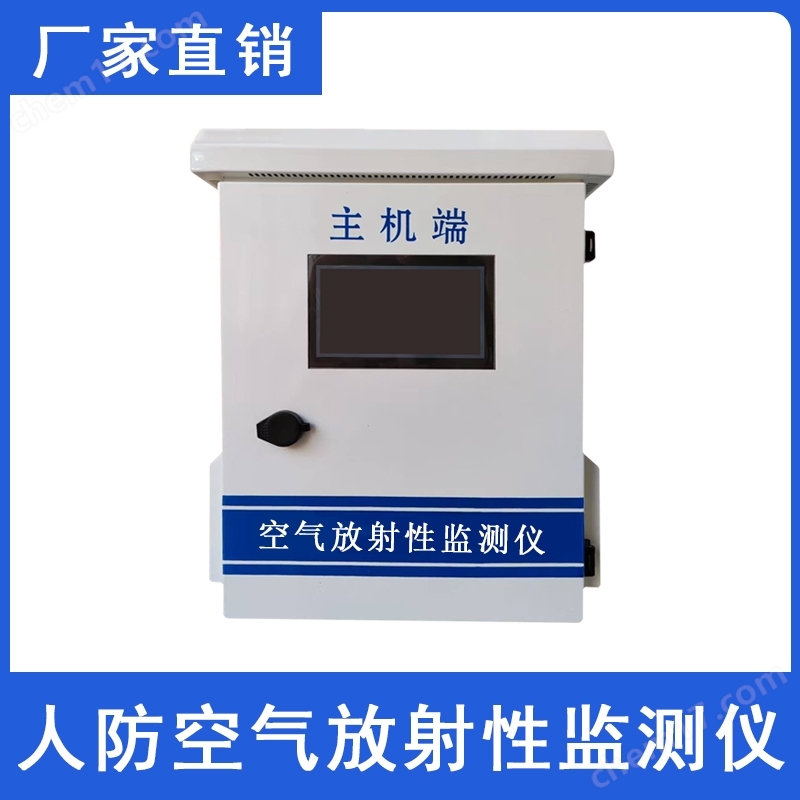
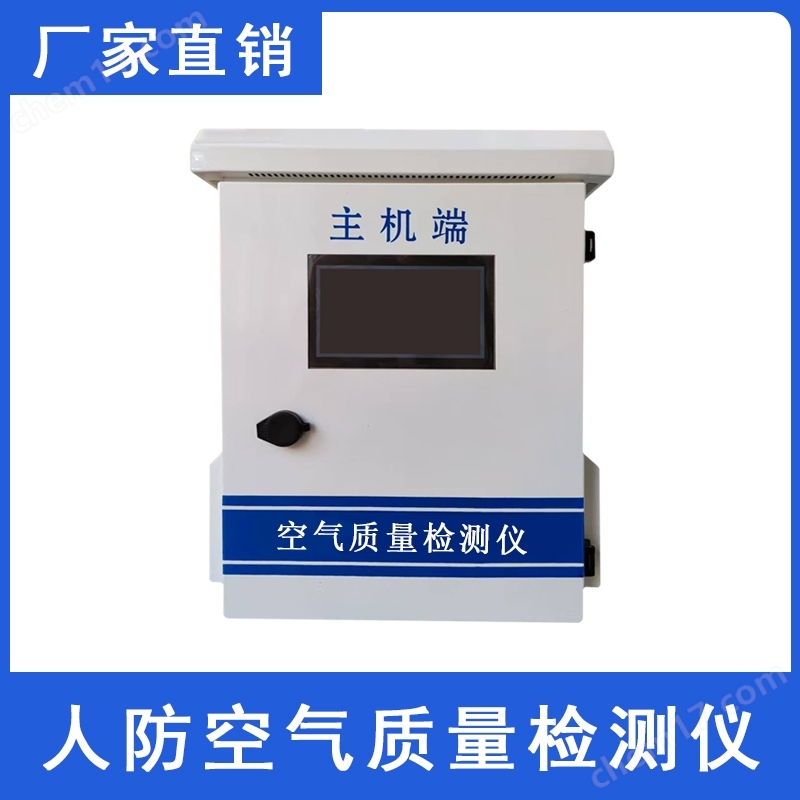

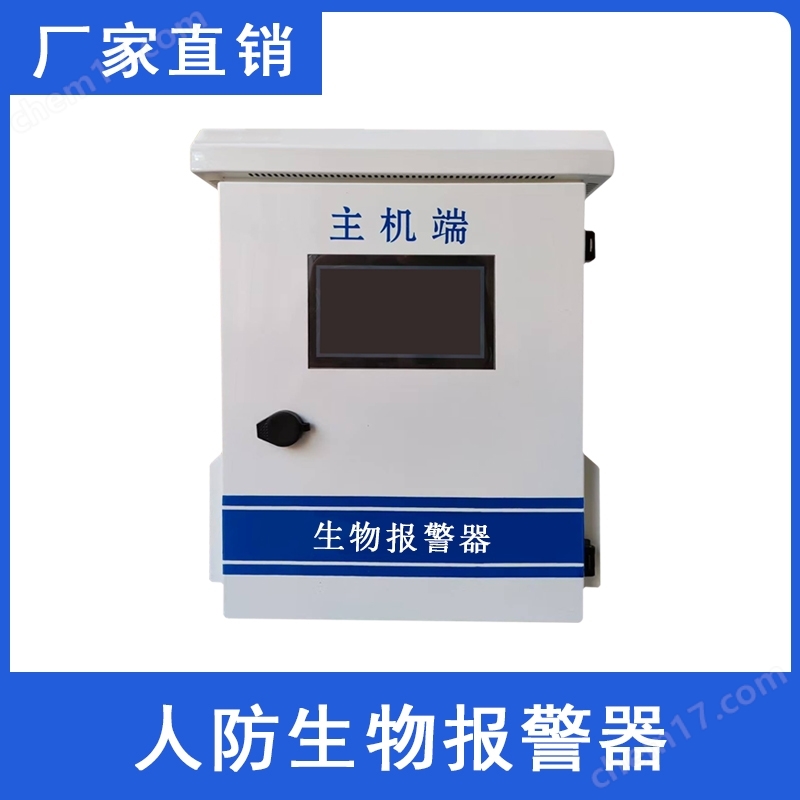
DJ-RD18 Air Pollution Monitoring Instrument for Commercial Buildings in Dianjiang County
NegotiableUpdate on 01/31
- Model
- Nature of the Manufacturer
- Producers
- Product Category
- Place of Origin
Overview
In modern society, with the rapid development of industry, the acceleration of urbanization, and the increase of various human activities, the air environment is facing increasingly complex pollution threats. DJ-RD18 Air Pollution Monitoring Instrument for Commercial Buildings in Dianjiang County
Product Details
Air pollution monitoring device: protecting the environment and healthInvisible Guardian
1. Introduction
In modern society, with the rapid development of industry, the acceleration of urbanization, and the increase of various human activities, the air environment is facing increasingly complex pollution threats. The leakage of toxic and harmful gases, as well as the discharge of chemical substances, not only cause damage to the ecological environment, but also directly affect people's lives and health. As a key environmental monitoring device, the air pollution monitoring instrument is like aThe 'invisible guardian' plays a role in ensuring air quality and preventing potential hazards.
2、 Working principleDianjiang CountyCommercial building air pollution monitoring device for civil air defenseDJ-RD18
1. sampling system
The air pollution monitoring device first collects air samples through a carefully designed sampling system. This system is like a monitoring deviceThe nose is capable of accurately inhaling air from the environment. It usually includes an air inlet, a sampling pump, and related pipelines. The design of the air inlet aims to ensure smooth entry of surrounding air, while the sampling pump provides power to allow air to pass through the pipeline at a stable and appropriate flow rate and enter the subsequent detection unit. Different types of monitoring instruments have different application scenarios, and the air inlet may have the function of filtering large particle impurities to prevent them from entering the instrument and interfering with detection, while also protecting the core components of the instrument.
2. detection technology
oSpectral analysis technology: Many air pollution monitoring devices use the principle of spectral analysis. For example, infrared spectroscopy technology utilizes the absorption characteristics of different gases towards specific wavelengths of infrared radiation to identify and measure gas composition. Each toxic gas has its unique infrared absorption spectrum. When an air sample passes through the detection light path, specific wavelengths of infrared radiation are absorbed by the corresponding gas. By detecting changes in infrared intensity, the monitor can accurately analyze the type and concentration of the gas. This technology has the advantages of fast detection speed, high sensitivity, and the ability to simultaneously detect multiple gases, making it particularly suitable for industrial waste gas emission monitoring, chemical park environmental monitoring, and other scenarios.
oElectrochemical sensing technology: Electrochemical sensors play an important role in detecting common toxic gases such as carbon monoxide and sulfur dioxide. The electrochemical sensor has a working electrode, a reference electrode, and a counter electrode inside. When the target gas enters the sensor, oxidation or reduction reactions occur on the working electrode, generating a current signal proportional to the gas concentration. By detecting this current signal, the monitor can accurately measure the gas concentration. This technology has the characteristics of low cost, rapid response, and good selectivity for specific gases, and is commonly used in indoor air quality testing, public safety monitoring, and other fields.
oChromatography analysis technology: Gas chromatography technology is commonly used in air pollution monitoring to separate and detect various components in complex mixed gases. The air sample enters the chromatographic column under the drive of the carrier gas, and separation is achieved due to the different distribution coefficients between the stationary phase and the mobile phase of different gases in the chromatographic column. The separated gas enters the detector in sequence for detection, and the gas composition and content are determined based on the retention time and peak area. Chromatography analysis technology can accurately analyze various organic pollutants and has important applications in environmental emergency monitoring, atmospheric pollutant source analysis, and other fields.
3、 Functional Features
Dianjiang CountyCommercial building air pollution monitoring device for civil air defenseDJ-RD18
1. real-time monitoring
The air pollution monitoring device has real-time monitoring function, which can continuously detect the surrounding air and provide real-time feedback of detection data. Whether in industrial production sites or densely populated urban areas, real-time monitoring capabilities enable relevant personnel to grasp changes in air quality in a timely manner and identify potential risks of poisoning. For example, in chemical enterprises, once a toxic gas leak occurs, the monitoring device can quickly capture the abnormal increase in gas concentration and immediately issue an alarm, buying valuable time for emergency response.
2. High precision detection
With advanced detection technology and precise instrument equipment, the air pollution monitoring device can achieve high-precision detection. For various toxic and harmful gases, their detection limits can reach extremely low levels, ensuring accurate identification and measurement even in the presence of trace pollution. This high-precision detection capability is crucial for ensuring environmental safety and human health, especially in places that require air quality, such as hospitals, schools, food processing plants, etc. It can timely detect potential sources of pollution and prevent the spread of pollution.
3. Multi parameter measurement
Most air pollution monitoring devices can simultaneously measure multiple parameters. In addition to common toxic gas concentrations, it can also monitor environmental parameters such as temperature, humidity, and air pressure. These parameters are of great significance for comprehensive assessment of air quality and accurate analysis of pollution sources. For example, when studying the diffusion law of atmospheric pollutants, meteorological parameters such as temperature and wind speed are closely related to pollutant concentration. By simultaneously obtaining these parameters, monitoring instruments provide richer and more comprehensive data support for environmental research and pollution prevention and control.
4. Remote monitoring and data transmission
With the development of Internet of Things technology, modern air pollution monitoring devices generally have remote monitoring and data transmission functions. The monitoring device can transmit real-time detection data to a remote monitoring center or related management platform through wired or wireless communication. Management personnel can view monitoring data anytime and anywhere through terminal devices such as computers and mobile phones, achieving centralized management and unified scheduling of multiple monitoring points. This remote monitoring function not only improves monitoring efficiency, but also facilitates timely detection and handling of sudden pollution incidents, enhancing the intelligence level of environmental management.
Similar Product Recommend
