-
E-mail
3154897564@qq.com
-
Phone
17765106485
-
Address
Building 4, No. 686 Nanfeng Road, Fengcheng Town, Fengxian District, Shanghai
Product Categories
Shanghai Tiandao Instrument Co., Ltd
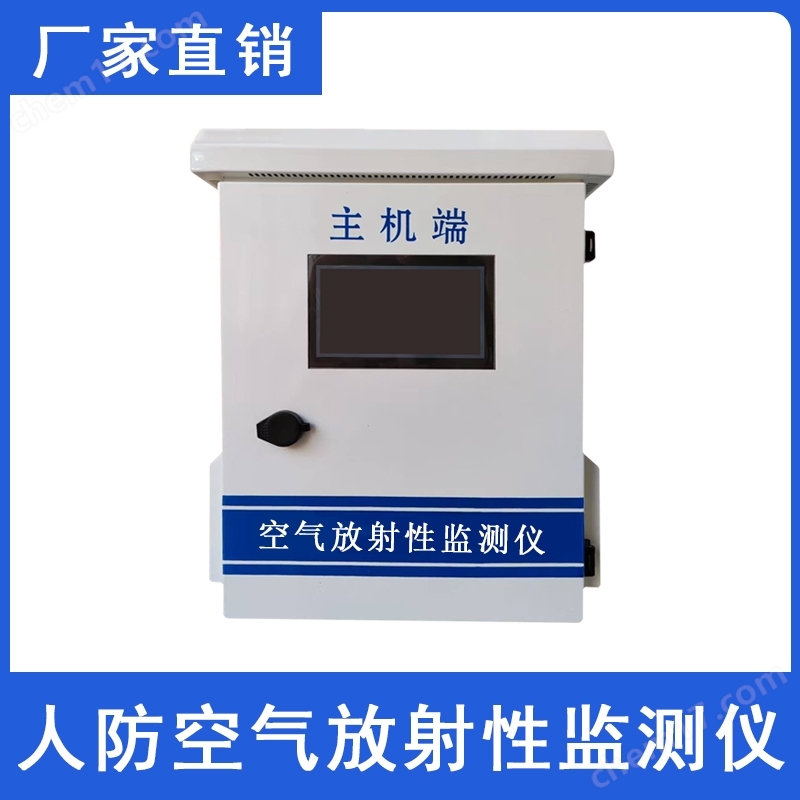


Wuxi Air Radiation Monitoring Instrument
NegotiableUpdate on 01/31
- Model
- Nature of the Manufacturer
- Producers
- Product Category
- Place of Origin
Overview
Air radioactive monitoring device is a specialized instrument used for real-time monitoring of the concentration of radioactive nuclides in the air. Wuxi Air Radiation Monitor WX-KQ-02
Product Details
Technical Manual for Air Radiation Monitoring Instrument
1、 Product Overview
Air radioactive monitoring instrument is a specialized instrument used for real-time monitoring of the concentration of radioactive nuclides in the ambient air. It is mainly used in the vicinity of nuclear facilities, along the transportation route of radioactive materials, emergency response sites, and environmental protection fields. This instrument can quickly and accurately detect by collecting air samples and conducting radioactive analysisalphaTheB、γProvide scientific basis for radiation protection and environmental safety assessment based on the type of radiation. Its core features include high sensitivity detection, automated sampling analysis, real-time data transmission, and multi parameter alarm function, which can meet the dual needs of continuous monitoring and emergency rapid screening.Wuxi Air Radiation Monitoring Instrument WX-KQ-02
2、 Core technical parameters
1. Detection type
oalphaRadiation: Detection efficiency≥80%(Regarding)239Pu, Energy5.15MeV), detectable activity concentration0.1Bq/m³
oBRadiation: Detection efficiency≥40%(Regarding)90Sr-90Y, Energy2.28MeV), detectable activity concentration1Bq/m³
oγRadiation: energy response range40keV-3MeVRelative inherent error≤±15%(In)137Cs 662keV(Here)
2. Sampling and analysis performance
oSampling traffic:50-500L/minContinuously adjustable, flow stability error≤±5%
oAnalysis cycle: regular mode30minute/Next, fast mode5minute/Secondary (sacrificing some sensitivity)
oSample collection method: filter membrane capture (glass fiber or quartz filter membrane, diameter)47mm), supports automatic film replacement (maximum capacity)20Film)
3. Data and Communication
oData Storage: Local Storage≥10Ten thousand records, including parameters such as nuclide type, concentration, dose rate, sampling time, etc
oCommunication interface:4G/5GWireless transmission, EthernetRS485supportMODBUSProtocol integration with remote monitoring platform
oDisplay function:7Inch touch screen, real-time display of concentration curve, dose rate, equipment status, and alarm information
4. environmental adaptability
oOperating Temperature-20℃~50℃(Heating devices are required for low-temperature environments)
orelative humidity0%~95%(No condensation)
oPower supply method:AC 220V±10%orDC 24VBackup battery life≥4hour
3、 Working principle
The instrument draws ambient air into the sampling unit at a set flow rate through a built-in sampling pump, and radioactive aerosol particles in the air are intercepted by the filter membrane. After sampling is completed, the filter membrane is automatically transferred to the detection chamber and detected by the semiconductor detector(a/b)OrNaI(Tl)Scintillation detector(γ)Perform radioactive measurements on the filter membrane. The electrical pulse signal output by the detector is amplified, pulse shaped, and amplitude analyzed before being processed by a multi-channel analyzer(MCA)Identify the characteristic energy spectrum of nuclides, combine parameters such as half-life and detection efficiency of nuclides, and calculate the activity concentration of corresponding nuclides through algorithms (such as238UThe232ThThe137CsThe131IEtc.). At the same time, the instrument has a built-in dose rate probe that monitors the surrounding area in real-timeγRadiation level, when the concentration or dose rate exceeds the preset threshold, triggers an audible and visual alarm (buzzer)+Red warning light), and immediately upload alarm data to the monitoring center.Wuxi Air Radiation Monitoring Instrument WX-KQ-02
4、 Application scenarios
1. Conventional monitoring of nuclear facilitiesLong term continuous monitoring around nuclear power plants, nuclear reactors, and radioactive waste treatment plants to real-time grasp the diffusion trend of radioactive substances
2. emergency responseAt the scene of sudden accidents such as nuclear leaks and loss of radioactive sources, quickly screen the types and concentrations of radioactive nuclides in the air to assist emergency decision-making
Similar Product Recommend