-
E-mail
3154897564@qq.com
-
Phone
17765106485
-
Address
Building 4, No. 686 Nanfeng Road, Fengcheng Town, Fengxian District, Shanghai
Product Categories
Shanghai Tiandao Instrument Co., Ltd
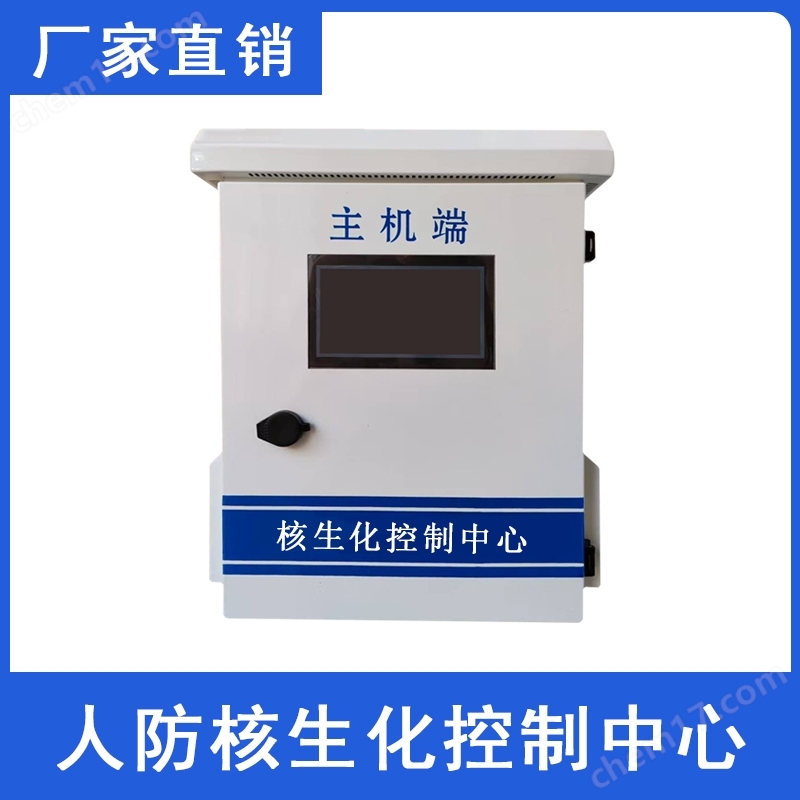




Wushan County Community Civil Air Defense Nuclear, Biological and Chemical Control Center WS-HS18
NegotiableUpdate on 01/31
- Model
- Nature of the Manufacturer
- Producers
- Product Category
- Place of Origin
Overview
In today's complex and ever-changing international situation, terrorist activities, war conflicts, and accidents can all cause nuclear, biological, and chemical hazards. The nuclear, biological, and chemical control center is like a strong defense line, ready to resist these potential dangers at any time. Wushan County Community Civil Air Defense Nuclear, Biological and Chemical Control Center WS-HS18
Product Details
1、 The Importance of Nuclear, Biological and Chemical Control Centers
As a key hub for responding to nuclear, biological, and chemical threats, the Nuclear, Biological, and Chemical Control Center plays a role in maintaining public safety, national security, and safeguarding people's lives and property. In today's complex and ever-changing international situation, terrorist activities, war conflicts, and accidents can all cause nuclear, biological, and chemical hazards. The nuclear, biological, and chemical control center is like a strong defense line, ready to resist these potential dangers at any time.Wushan County Community Civil Air Defense Nuclear, Biological and Chemical Control Center WS-HS18
From a public health perspective, the accidental leakage or malicious release of biological pathogens may trigger large-scale infectious diseases, such as the anthrax outbreak. The Nuclear, Biological, and Chemical Control Center has the ability to quickly detect, analyze pathogens, and develop prevention and control strategies to contain the spread of the epidemic. In the industrial sector, chemical factories may leak toxic chemicals due to operational errors and other reasons. Nuclear, biological, and chemical control centers can respond quickly, take measures to reduce pollution spread, and minimize harm to the surrounding environment and residents. As for the nuclear field, once nuclear power plant accidents, illegal transportation of radioactive materials, and other situations occur, the nuclear, biological and chemical control center can effectively handle related crises with professional technology and equipment, and prevent further expansion of nuclear radiation hazards.
2、 Composition and structure of nuclear, biological and chemical control center
1. Monitoring system: This is from the Nuclear, Biological and Chemical Control CenterThe 'eyes' consist of widely distributed monitoring stations. Monitoring equipment with high-precision detection capabilities is installed in key locations such as cities, borders, and important facilities. For example, air monitoring equipment can detect in real time whether there are harmful substances such as radioactive particles, biological aerosols, toxic chemical gases, etc. in the air; Water quality monitoring equipment is responsible for monitoring nuclear, chemical, and biological pollutants in water sources. These monitoring data are transmitted in real-time to the control center through high-speed networks, providing a basis for subsequent decision-making.Wushan County Community Civil Air Defense Nuclear, Biological and Chemical Control Center WS-HS18
2. Analysis laboratory: When the monitoring system detects abnormal situations, the samples will be quickly sent to the analysis laboratory. Here are equipped with * instruments and equipment, such as mass spectrometers, gene sequencers, radioactive detection counters, etc. Professional researchers conduct in-depth analysis of samples here to determine key information such as the types, concentrations, and sources of nuclear, chemical, and biological substances. For example, using gene sequencing technology can quickly and accurately identify the type of biological pathogen and determine whether it is a new or genetically modified strain; Mass spectrometers can accurately analyze the composition and structure of chemical substances, providing strong support for developing targeted response plans.
3. Command and Decision Center: As a nuclear, biological, and chemical control centerThe 'brain' integrates data information from monitoring systems and analysis laboratories in the command and decision-making center. There is an experienced team of experts here, including nuclear physicists, biologists, chemists, emergency management experts, and more. They quickly formulate scientific and reasonable response strategies based on analysis results, combined with real-time geographic information, meteorological conditions, and other factors. For example, when the direction and diffusion range of a chemical substance leak are determined, the command and decision-making center will coordinate with relevant departments to organize the evacuation of nearby residents, deploy firefighting, environmental protection and other forces for on-site disposal, and communicate and cooperate with relevant institutions in the surrounding areas to jointly respond to the crisis.
4. Emergency response team: composed of professional rescue personnel who have undergone strict nuclear, biological and chemical protection and emergency response training. Equipped with a complete set of protective equipment, such as chemical protective suits, nuclear radiation, air respirators, as well as various professional rescue tools and equipment, such as decontamination equipment, radioactive material handling devices, etc. After receiving instructions from the command and decision-making center, the emergency response team can quickly rush to the scene and carry out rescue operations, such as decontamination of contaminated areas, rescue of injured personnel, and disposal of radioactive materials, in order to minimize losses caused by nuclear, biological, and chemical hazards.
3、 Workflow of Nuclear, Biological and Chemical Control Center
1. Daily monitoring and early warning: Under normal circumstances, the monitoring system operates continuously to continuously monitor nuclear, biological, and chemical indicators in the environment. Once abnormal data is detected, the warning system will immediately activate and issue an alert to the control center. At the same time, monitoring stations will further encrypt their monitoring frequency to obtain more detailed data information, in order to more accurately assess potential risks.
2. Sample collection and analysis: Upon receiving the warning, professional sampling personnel quickly went to the abnormal area to collect samples, ensuring that the samples were representative. The samples are quickly sent to the analysis laboratory, where researchers work tirelessly to analyze and detect the specific characteristics of nuclear, biological, and chemical substances in the shortest possible time. For example, for biological samples, key information such as the type, pathogenicity, and transmission routes of pathogens should be determined; For chemical samples, analyze their composition, toxicity, etc; For nuclear samples, determine the type and activity of radioactive substances.
3. Develop response strategies: After the analysis results are fed back to the command and decision-making center, the expert team immediately holds an emergency meeting. Taking into account various factors, develop comprehensive response strategies. If it is a biological threat, measures such as isolating the source of infection, large-scale vaccination, and strengthening public health publicity may be implemented; For chemical leaks, evacuation areas will be determined, and measures such as plugging and decontamination will be taken; In the face of a nuclear accident, we will plan radiation protection areas, organize personnel evacuation, and arrange for the cleaning of radioactive materials.
4. Emergency response and rescue: The emergency response team quickly takes action according to the formulated strategy. On site, they strictly followed the operating procedures and carried out rescue and disposal work. At the same time, the control center monitors the on-site situation in real-time and adjusts strategies in a timely manner based on actual progress. For example, if a chemical substance is found to be different from expected during the decontamination process, the command and decision-making center will immediately notify the emergency response team to adjust the decontamination plan.
5. Post evaluation and recovery: After the nuclear, biological, and chemical events are effectively controlled, a comprehensive assessment of the impact of the event is conducted. Including assessment of damage to the environment, ecology, public health, and other aspects. Based on the assessment results, develop a recovery plan to help the affected areas restore normal production and living order as soon as possible. Such as repairing contaminated soil and water sources, and conducting long-term health tracking of affected populations.
Similar Product Recommend