-
E-mail
3154897564@qq.com
-
Phone
17765106485
-
Address
Building 4, No. 686 Nanfeng Road, Fengcheng Town, Fengxian District, Shanghai
Product Categories
Shanghai Tiandao Instrument Co., Ltd
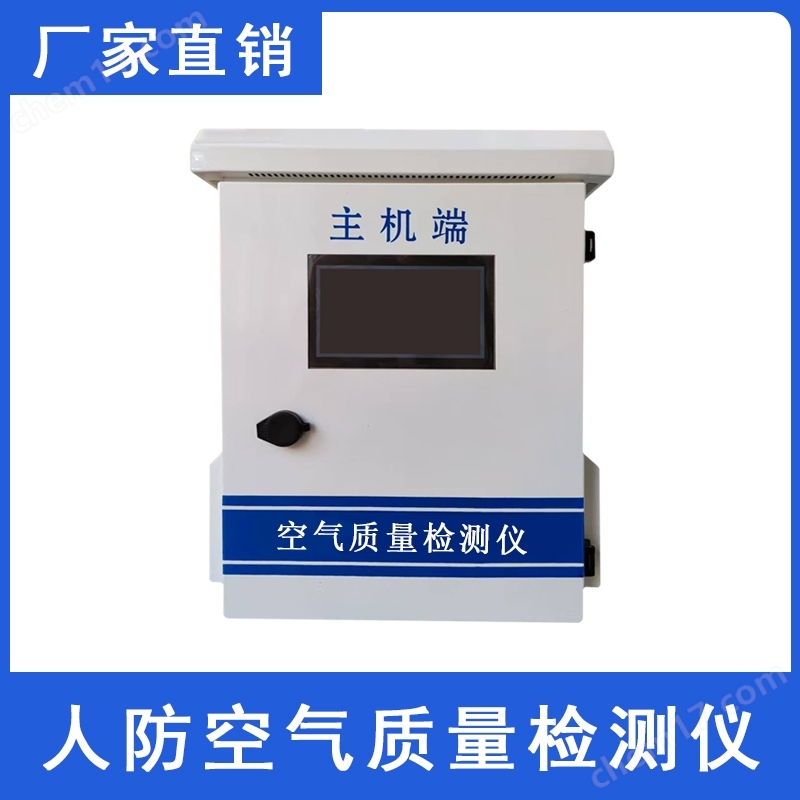

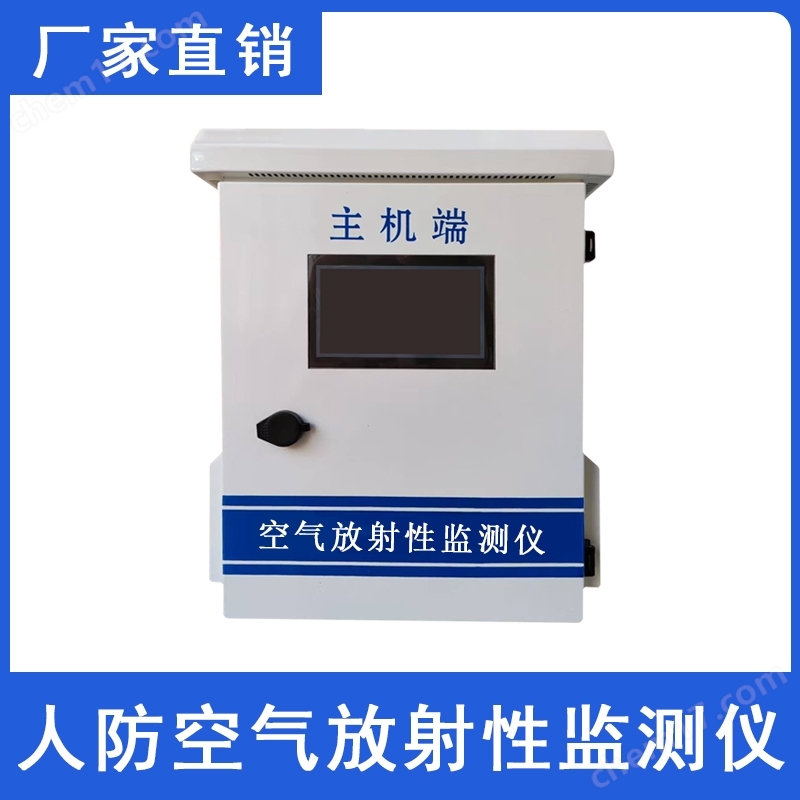
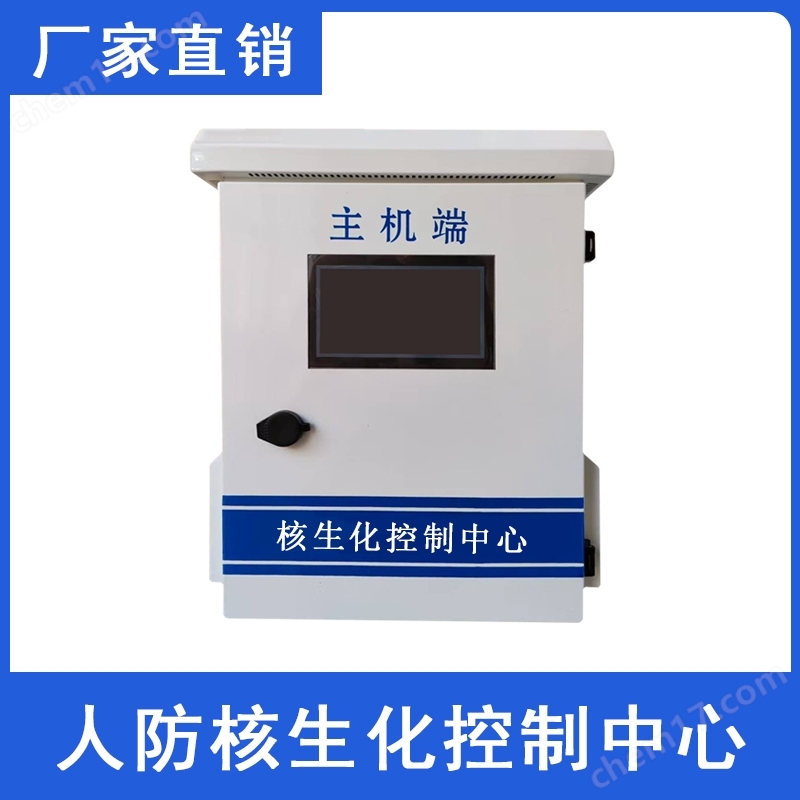

Suzhou City School Civil Air Defense Air Quality Detector SUZ-KQ-01
NegotiableUpdate on 01/31
- Model
- Nature of the Manufacturer
- Producers
- Product Category
- Place of Origin
Overview
As an intelligent device that integrates monitoring, analysis, and early warning, the air quality detector has become a health protection tool in modern homes, workplaces, and specific industrial environments. Suzhou City School Civil Air Defense Air Quality Detector SUZ-KQ-01
Product Details
Air Quality Monitor: An Intelligent Guardian of Respiratory Health
As an intelligent device that integrates monitoring, analysis, and early warning, the air quality detector has become a health protection tool in modern homes, workplaces, and specific industrial environments. It can capture the concentration of various key pollutants in the air in real time through a built-in high-precision sensor array, and present the data to users in an intuitive and understandable way, helping people comprehensively understand the air quality status of their environment, take timely response measures, and ensure respiratory health.
Core monitoring indicators and functional analysisSuzhou City School Civil Air Defense Air Quality Detector SUZ-KQ-01
The core value of air quality monitoring devices lies in their precise monitoring capabilities, typically covering the following key air pollutant parameters:
1. PM2.5 and PM10 (particulate matter)This is the primary pollutant that affects air quality.PM2.5 refers to particulate matter with an aerodynamic equivalent diameter of 2.5 micrometers or less, which can penetrate deep into the lungs and even into the bloodstream, causing respiratory diseases, cardiovascular problems, and more. PM10 refers to inhalable particulate matter with a diameter of 10 micrometers or less. The detector accurately measures the concentration of these particles through principles such as laser scattering or beta ray absorption, usually in micrograms per cubic meter (μ g/m ³), and converts and classifies the air quality index (AQI) according to national standards (such as excellent, good, mild pollution, moderate pollution, severe pollution, severe pollution), allowing users to have a clear understanding of the degree of air pollution.
2. Formaldehyde(HCHO)A colorless gas with a pungent odor, mainly derived from decoration materials, furniture, adhesives, etc. Long term exposure to low concentrations of formaldehyde can cause chronic respiratory diseases, allergies, and even be associated with cancer risk. A professional air quality detector equipped with an electrochemical formaldehyde sensor can monitor indoor formaldehyde concentration in real time, and its range usually covers0-1.0mg/m ³ or wider range, with a resolution of up to 0.001mg/m ³, ensuring timely detection of formaldehyde concentration exceeding the standard in the early stages, providing data support for ventilation, odor dispersion, and selection of environmentally friendly materials in newly renovated houses.
3. TVOC (Total Volatile Organic Compounds)A general term for various organic compounds that can evaporate into gases at room temperature, including benzene derivatives, alkanes, aromatic hydrocarbons, alkenes, halogenated hydrocarbons, esters, aldehydes, ketones, etc.TVOC mainly comes from paints, coatings, adhesives, textiles, cleaning agents, etc., which are irritating, toxic, and some components are carcinogenic. The detector monitors TVOC concentration through PID (photoionization detector) or other types of sensors, usually in mg/m ³, to help users evaluate the comprehensive level of organic chemical pollution released from indoor decoration and daily necessities.
4. Temperature and Humidity MonitoringAlthough temperature and humidity are not considered pollutants, they have a significant impact on human comfort, indoor air quality balance, and the emission characteristics of other pollutants. For example, high temperature and high humidity environments may accelerate formaldehyde, etcRelease of VOCs. Therefore, most air quality monitoring devices integrate temperature and humidity sensors to display real-time environmental temperature (℃) and relative humidity (% RH), providing reference for users to adjust air conditioning, humidifiers, dehumidifiers, and other equipment, creating a healthier and more comfortable living and working environment.
5. Other optional monitoring parametersBased on product positioning and target user needs, some or specific purpose detectors may also have the capability to monitor carbon monoxide(CO)、 Carbon dioxide (CO ₂), oxygen (O ₂) PM1.0、 Functions such as negative oxygen ion concentration. For example, CO ₂ monitoring helps evaluate the ventilation conditions in densely populated indoor areas, avoiding discomfort such as dizziness and fatigue caused by hypoxia and high CO ₂ concentration.
Working principle and technical characteristicsSuzhou City School Civil Air Defense Air Quality Detector SUZ-KQ-01
The working principle of an air quality detector is based on the response of different types of sensors to the physical and chemical properties of specific gases or particles. When the monitored air enters the sensor detection room, the sensor will interact with the target pollutant, producing measurable electrical signal changes (such as changes in resistance, current, and voltage). These raw electrical signals are processed by the internal signal processing circuits of the instrument, including amplification, filteringAD conversion, etc. are processed and converted, and then converted into corresponding pollutant concentration values through a microprocessor (MCU) based on built-in calibration algorithms, and finally presented to the user intuitively through a display screen.
Its technical characteristics are reflected in:
·Multi sensor integrationCleverly integrating multiple sensors with different principles into miniaturized devices to achieve simultaneous monitoring of multiple parameters.
·Intelligent data processing: Built inMCU performs data collection, analysis, calculation, and storage, and some models also have functions such as data trend analysis and historical data query.
·Fast response and high resolutionHigh quality sensors can respond to changes in pollutant concentration within seconds and have high resolution, ensuring the timeliness and accuracy of data.
·Calibration mechanismTo ensure long-term measurement accuracy, some professional level detectors support manual calibration or connectionCalibrate the app to counteract the impact of sensor drift.
Application scenarios and value realization
The application scenarios of air quality detectors are wide, and their value is mainly reflected in the following aspects:
·Family Environment Health ManagementNewly renovated houses contain formaldehydeTVOC monitoring, guiding ventilation; Daily indoor air quality monitoring, paying attention to the respiratory environment of sensitive populations such as the elderly, children, and pregnant women; Evaluate the purification effect of air purifiers and fresh air systems; Identify potential indoor pollution sources, such as furniture, cleaning agents, etc.
·Optimization of office environmentMonitor office air quality to improve ventilation, adjust air conditioning operation strategies, and enhance employee work comfort Productivity provides a basis.
·Specific industries and locationsPlaces with high requirements for air quality, such as school classrooms, kindergartens, hospital wards, hotel rooms, etc., can be monitored and managed regularly through detectors; Portable detectors can also be used to evaluate the air quality inside the car.
·Personal Health Awareness Enhancement and Behavioral GuidanceThrough real-time data feedback, users can intuitively feel the relationship between changes in air quality and their own activities (such as cooking, smoking, cleaning), outdoor air quality, window ventilation, and other behaviors, thereby cultivating healthy lifestyle habits, such as outdoor activitiesReduce opening windows when PM2.5 exceeds the standard severely, and strengthen ventilation when indoor formaldehyde exceeds the standard.
Selection and usage suggestions
When choosing an air quality detector, the following points should be noted:
1. Testing parameter requirementsBased on their main concerns about pollution issues (such as formaldehyde removal from new houses, daily life)Select products that include corresponding core detection parameters for PM2.5 monitoring, etc.
2. Sensor performance and brandThe quality of the core sensor directly determines the detection accuracy. You can pay attention to the products that use the sensor and check if there is a third-party testing organization certification.
3. Accuracy and ResolutionChoose products with high precision and resolution, especially for formaldehydeTVOC and other low concentration parameters that require precise measurement.
4. Data stability and driftUnderstand the zero drift and range drift indicators of the product, choose products with good stability, and consider models that support calibration functions if necessary.
5. Function and usabilityWhether there is data recording and exportAPP connection and remote viewing, over limit alarm (sound, light), battery life (portable), whether the operation interface is intuitive, etc.
6. Price and cost-effectivenessConsidering price factors comprehensively while meeting core requirements and performance requirements.
When using, attention should be paid to:
1. Proper placementAvoid placing the detector in areas with severe airflow changes or direct diffusion of pollution sources, such as air conditioning vents, near heating systems, or directly below windows. It is recommended to place it in the center of the room at a height of approximatelyA stable surface of 1.2-1.5 meters (similar to the height of the human respiratory tract).
2. periodic calibrationFor high-precision scenarios, regular calibration should be carried out according to the manufacturer's recommendations to ensure the accuracy of measurement data.
3. Understand the meaning of data and national standardsUnderstand the national standard limits for various pollutants in order to accurately assess the air quality status.
4. Based on practical analysisSingle or short-term data is for reference only and should be combined with monitoring data trends over a period of time and personal perception
Similar Product Recommend