-
E-mail
3154897564@qq.com
-
Phone
17765106485
-
Address
Building 4, No. 686 Nanfeng Road, Fengcheng Town, Fengxian District, Shanghai
Product Categories
Shanghai Tiandao Instrument Co., Ltd
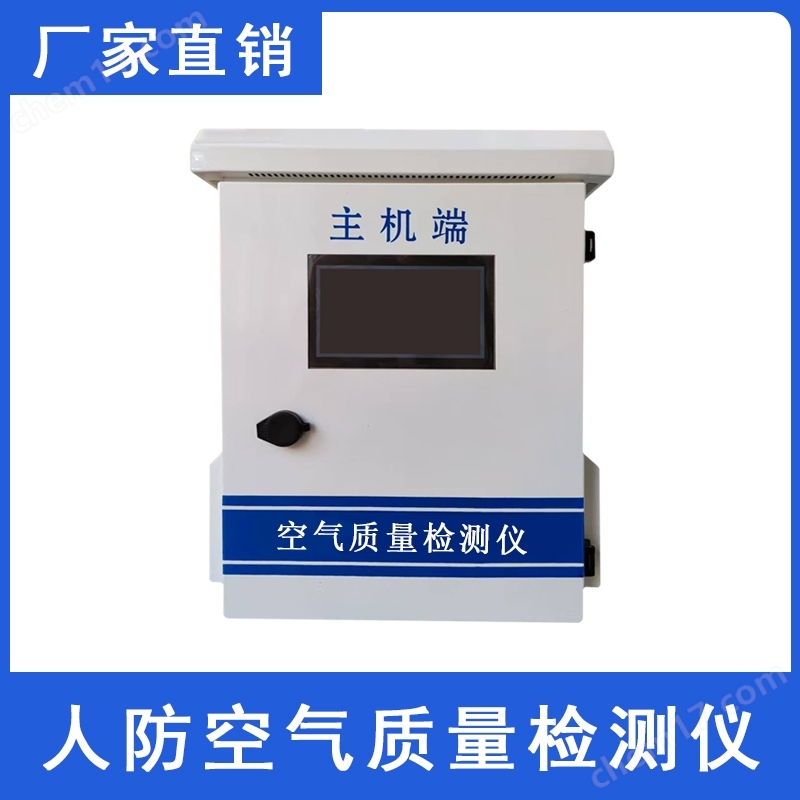


Nanjing Scenic Spot Air Quality Monitor
NegotiableUpdate on 01/31
- Model
- Nature of the Manufacturer
- Producers
- Product Category
- Place of Origin
Overview
Air quality monitor is an intelligent device that can detect and analyze the concentration of various pollutants in the air in real time. It provides users with intuitive and accurate air quality information through built-in high-precision sensors and data processing systems, and has become an important tool for ensuring respiratory health in modern life. Nanjing Scenic Spot Air Quality Monitor NJ-KQ-01
Product Details
Air quality monitor: an intelligent guardian of respiratory health
Nanjing Scenic Spot Air Quality Monitor NJ-KQ-01
Air quality monitor is an intelligent device that can detect and analyze the concentration of various pollutants in the air in real time. It provides users with intuitive and accurate air quality information through built-in high-precision sensors and data processing systems, and has become an important tool for ensuring respiratory health in modern life.
Core monitoring parameters
Air quality monitoring devices can accurately capture various key parameters in the air that have a significant impact on human health and environmental quality. among which,PM2.5As a diameter less than or equal to2.5Micro sized inhalable particles, due to their ability to penetrate deep into the lungs and even into the bloodstream, are of utmost importance for monitoring, with equipment typically able to achieve precision at the level of micrograms per cubic meter.PM10(Diameter less than or equal to)10The monitoring of micron sized particulate matter reflects the situation of larger particulate pollutants in the air. In addition, formaldehyde(HCHO)As a common indoor volatile organic compound, it has a stimulating effect on human mucous membranes and nervous system, and is also one of the core indicators of monitoring devices.TVOCThe total volatile organic compounds (VOCs) encompass the total amount of various organic pollutants such as benzene and toluene, reflecting the complexity of indoor air pollution. Some models will also monitor carbon dioxide(CO₂)Concentration is used to evaluate the freshness and ventilation status of indoor air, as well as environmental parameters such as temperature and humidity, providing data support for a comprehensive understanding of air quality.
working principle
The workflow of the air quality monitor reflects the combination of precision sensing and intelligent computing. Firstly, the air to be detected is introduced into the device through a sampling system, and different types of sensors identify and respond to specific pollutants. For example, the principle of laser scattering is commonly usedPM2.5andPM10Detection, laser irradiation on particles produces scattered light, and the number and concentration of particles are calculated by detecting the intensity and frequency of the scattered light; Electrochemical sensors are commonly used for the detection of formaldehyde and certain harmful gases, using the current changes generated by the chemical reaction between pollutants and electrode surfaces to determine concentration; Infrared sensors can be used forCO₂Accurate measurement. Sensors convert physical or chemical signals into electrical signals and transmit them to the core data processing unit, which functions as a device“brain”It will perform a series of complex processes such as filtering, amplification, and calibration on the original signal to eliminate errors caused by environmental interference and sensor drift, ensuring the accuracy of the data. Finally, the processed air quality data is displayed to users in real-time through clear screens, and some devices also have data storage and historical curve viewing functions, allowing users to intuitively understand the changing trends of air quality.
Main types and application scenarios
Nanjing Scenic Spot Air Quality Monitor NJ-KQ-01
According to usage scenarios and functional characteristics, air quality monitors can be divided into multiple types to meet the needs of different users. Home desktop monitoring devices are designed to be compact and exquisite, usually focusing on common indoor pollutants such asPM2.5FormaldehydeTVOCThe monitoring system is suitable for placement in home environments such as living rooms, bedrooms, and study rooms, helping family members to monitor indoor air quality in real-time and guiding healthy lifestyles such as ventilation and air purification. Portable monitoring devices emphasize mobility and flexibility, are compact in size, easy to carry, and powered by built-in batteries. Users can carry them around and use them to detect air quality in cars, office environments, and even short-term outdoor air quality surveys, allowing people to understand the air quality status of their environment at any time when traveling or changing places. Professional level monitoring stations are high-precision, multifunctional large-scale equipment with comprehensive monitoring parameters. In addition to conventional pollutants, they may also includeSO₂TheNO₂TheO₃Waiting for atmospheric pollutants, with high data accuracy and strong stability, it is mainly used in professional fields such as urban air quality automatic monitoring network of environmental monitoring departments, environmental quality monitoring of industrial parks, and atmospheric environment research of scientific research institutions, providing solid data support for environmental management, policy formulation, and scientific research. In addition, there are embedded monitoring modules integrated into smart home appliances such as air purifiers and fresh air systems, which can be linked with home appliances to automatically adjust the operating status of the equipment based on real-time air quality, achieving intelligent air purification and ventilation.
Selection and usage suggestions
When choosing an air quality monitor, users should first clarify their core monitoring needs, whether they are mainly concerned about indoor formaldehyde exceeding standards or more concerned about itPM2.5Waiting for particulate matter pollution or requiring comprehensive multi parameter monitoring to select targeted products. Secondly, the quality and brand of sensors are the key factors determining monitoring accuracy. It is recommended to choose products that use sensors and have been certified by institutions. The performance can be understood by examining product parameters, user evaluations, and professional reviews. The ease of use of the equipment cannot be ignored, including whether the operation is simple, whether the data display is clear and easy to understand, and whether it has intelligent reminder functions (such as over limit alarm). For users with high requirements for data accuracy or long-term monitoring needs, they can also pay attention to whether the equipment has data calibration functions and good data management software. During use, to ensure the representativeness of monitoring data, the equipment should be placed at a suitable height, away from pollution sources (such as kitchen fumes, cosmetics sources) and ventilation openings, avoiding direct sunlight and temperature environments. At the same time, regular maintenance and upkeep should be carried out according to the recommendations in the product manual, such as cleaning sensor probes and performing zero calibration. Some sensors have a certain service life and need to be replaced in a timely manner after expiration to ensure that the equipment can provide accurate monitoring data in a stable and long-term manner.
development trend
With the continuous advancement of technology and the increasing awareness of health and environmental protection among people, air quality monitoring devices are developing towards a more intelligent, accurate, and integrated direction. In terms of intelligence, devices will be more deeply integrated into the Internet of Things(IoT)Through the smart home ecosystemWi-FiWireless connection methods such as Bluetooth enable connection with mobile phonesAPPThrough remote connection, users can view real-time data, receive over limit warning information, and remotely control related devices such as air purifiers and fresh air systems through their mobile phones anytime and anywhere, creating an intelligent and healthy breathing environment. In terms of data accuracy and functional expansion, the application of new sensor technology will continuously improve the sensitivity and accuracy of monitoring, while achieving integrated monitoring of more pollutant parameters, and may even add special functions such as odor detection and allergen monitoring. In addition, the introduction of artificial intelligence algorithms will enable devices to have stronger data analysis and trend prediction capabilities, and provide personalized air quality improvement suggestions to users based on historical data and real-time environmental factors. The exterior design will also pay more attention to the integration with modern home and office environments, achieving the unity of functionality and aesthetics, making the air quality monitor not only a practical health tool, but also a fashionable element to improve the quality of life.
Similar Product Recommend