-
E-mail
bjhtwc@163.com
-
Phone
18618396246
-
Address
No. 86 Wanxing Road, Changyang, Fangshan District, Beijing
Product Categories
Beijing Aerospace Weichuang Equipment Technology Co., Ltd


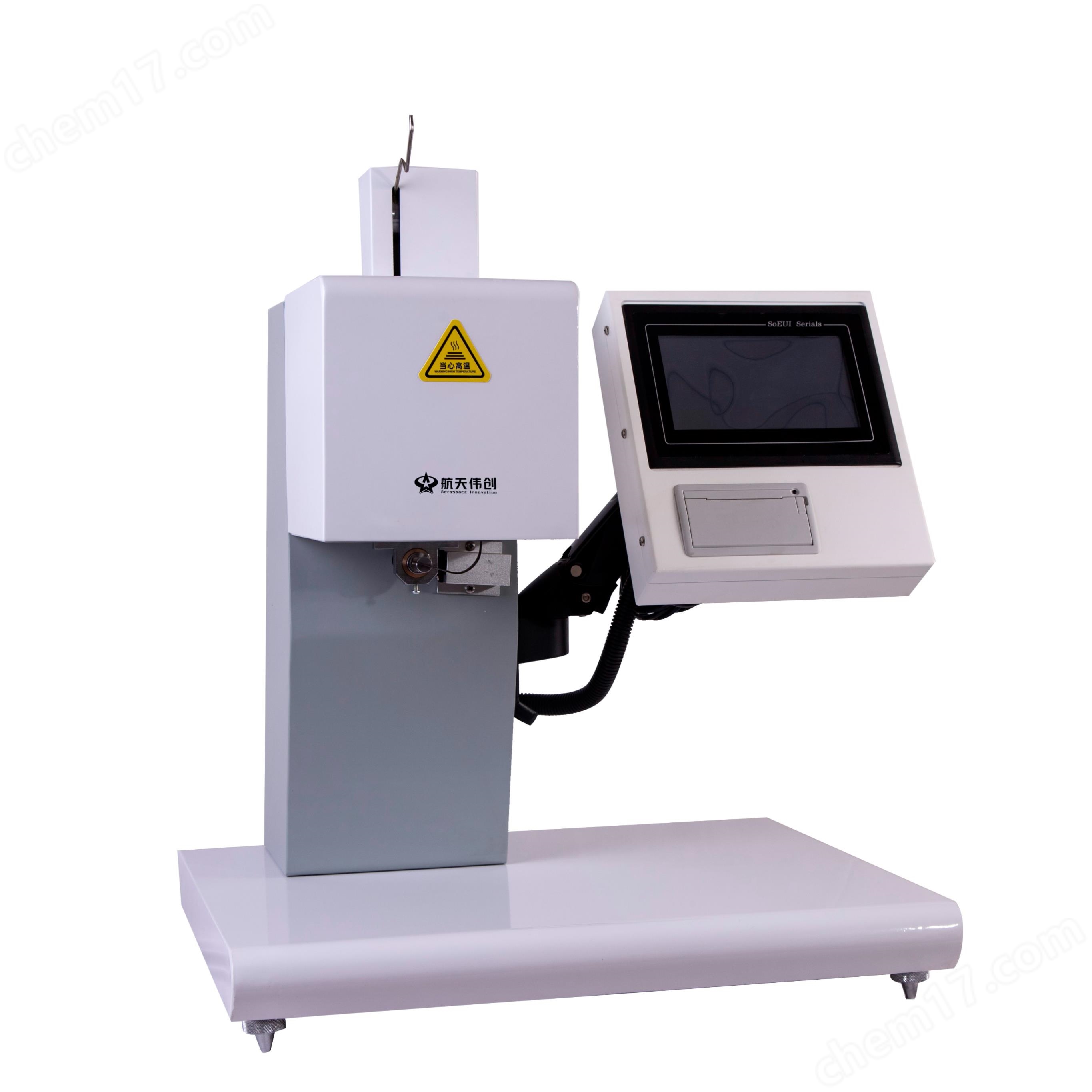
High precision volume surface resistance tester for epoxy resin
NegotiableUpdate on 01/12
- Model
- Nature of the Manufacturer
- Producers
- Product Category
- Place of Origin
Overview
ZST epoxy resin high-precision volume surface resistance tester is a professional instrument for measuring the volume resistivity (internal conductivity) and surface resistivity (surface conductivity) of insulation materials.
Product Details
The significance of measuring resistivity
In fields such as electronic components, aerospace materials, and new energy batteries, the insulation performance of materials directly determines the safety and reliability of products.volume resistivity(Internal conductivity of the material) andsurface resistivityThe surface conductivity of materials is the core indicator for measuring insulation performance. For example:
Insulation layer of high-voltage cableIf the volume resistivity does not meet the standard, it may cause electrical leakage or even fire;
Anti static packaging materialsExcessive surface resistivity can lead to static electricity accumulation and damage to precision electronic components.
However, traditional testing equipment often faces problems such as complex operation, poor anti-interference, and large data errors.Beijing Aerospace Weichuang ZST-212 Volume Surface Resistance TesterIt was born to address the pain points in these industries.
ZSTHigh precision volume surface resistance tester for epoxy resinIt is a professional instrument for measuring the volume resistivity (internal conductivity) and surface resistivity (surface conductivity) of insulation materials.
How to "see through" the conductivity of ZST-212 material?
1. scientific principle
The essence of resistivity testing is to calculate the conductivity of materials by applying voltage and measuring current. ZST-212 adoptsThree electrode method(Circular electrode+protective electrode), accurately distinguish between volume and surface current (see Figure 1):
Volume resistivity (ρ v)Current penetrates the interior of the material, reflecting the overall insulation performance;
Surface resistivity (ρ s)Current flows along the surface of the material, reflecting its anti-static ability.

Figure 1 Schematic diagram of the principle of the three electrode method
2. technological breakthrough
One click dual-mode detectionNo need to manually switch circuits, automatic measurement of volume/surface resistivity can be completed in 3 seconds;
Anti interference designUsing three coaxial shielded cables, the impact of environmental humidity fluctuations on the results is less than ± 1%;
Ultra wide rangeThe resistance range covers 10 ⁴~10 ¹⁷ Ω, and the voltage is adjustable (10V~1000V), suitable for various materials such as films, rubber, ceramics, etc.
Application scenarios
ZSTHigh precision volume surface resistance tester for epoxy resinThere are four main application scenarios
1. Electronic components industry
PCB substrate inspectionEnsure that the volume resistivity of the epoxy resin substrate is greater than 10 ¹⁶ Ω (in accordance with GB/T 1410 standard) to avoid circuit short circuits.
Photodiode packagingTest the surface resistivity of the silicone encapsulation layer to prevent dark current interference in signal transmission.
2. new energy sector
Lithium battery separator quality inspectionLithium battery separators need to meet both high volume resistivity (blocking electrons) and low surface resistivity (conducting ions), and ZST-212 can accurately verify the balance between the two.
3. Aerospace Materials
Certification of Composite Insulation MaterialsThe resistivity of carbon fiber reinforced resin needs to pass ASTM D257 testing, and ZST-212 supports one click generation of standard reports.
4. Research and Education
Research on Material ModificationReal time monitoring of the resistivity change curve of materials after the addition of nano fillers (such as graphene), to assist in research and development innovation.
advantage
1. Accurate and efficient
Adopting PLC automatic control technology, the test repeatability error is less than ± 0.5%, far exceeding the industry average level;Built in over 20 standard templates, including GB/T 1410 and ASTM D257, for one click matching of testing processes.
2. Smart and convenient
Real time display of resistivity on 7-inch touch screen, data export supports Excel/PDF format;Equipped with the "electrode contact self-test" function to avoid data deviation caused by operational errors.

Figure 2 ZST-212 operation interface
3. certification
passFirst level measurement unit calibrationThe testing report has been recognized by CNAS and CMA;
We have served over 100 clients including Aerospace Science and Industry Corporation and Institute of Materials Science and Technology of Chinese Academy of Sciences, with traceable cases.
Correct use of ZST-212
Environmental RequirementsTemperature 23 ± 2 ℃, humidity ≤ 65% RH (to avoid condensation affecting surface resistance);
Sample processingClean the surface with anhydrous ethanol before testing to ensure no dust or oil stains;
data interpretationIf the volume resistivity is less than 10 ¹⁰Ω· cm, it is recommended to add material insulation modification (such as adding mica powder)
Similar Product Recommend