-
E-mail
513687859@qq.com
-
Phone
18317070697
-
Address
No. 888 Siyi Road, Jiading District, Shanghai
Product Categories
Shanghai Kelute Technology Instrument Co., Ltd
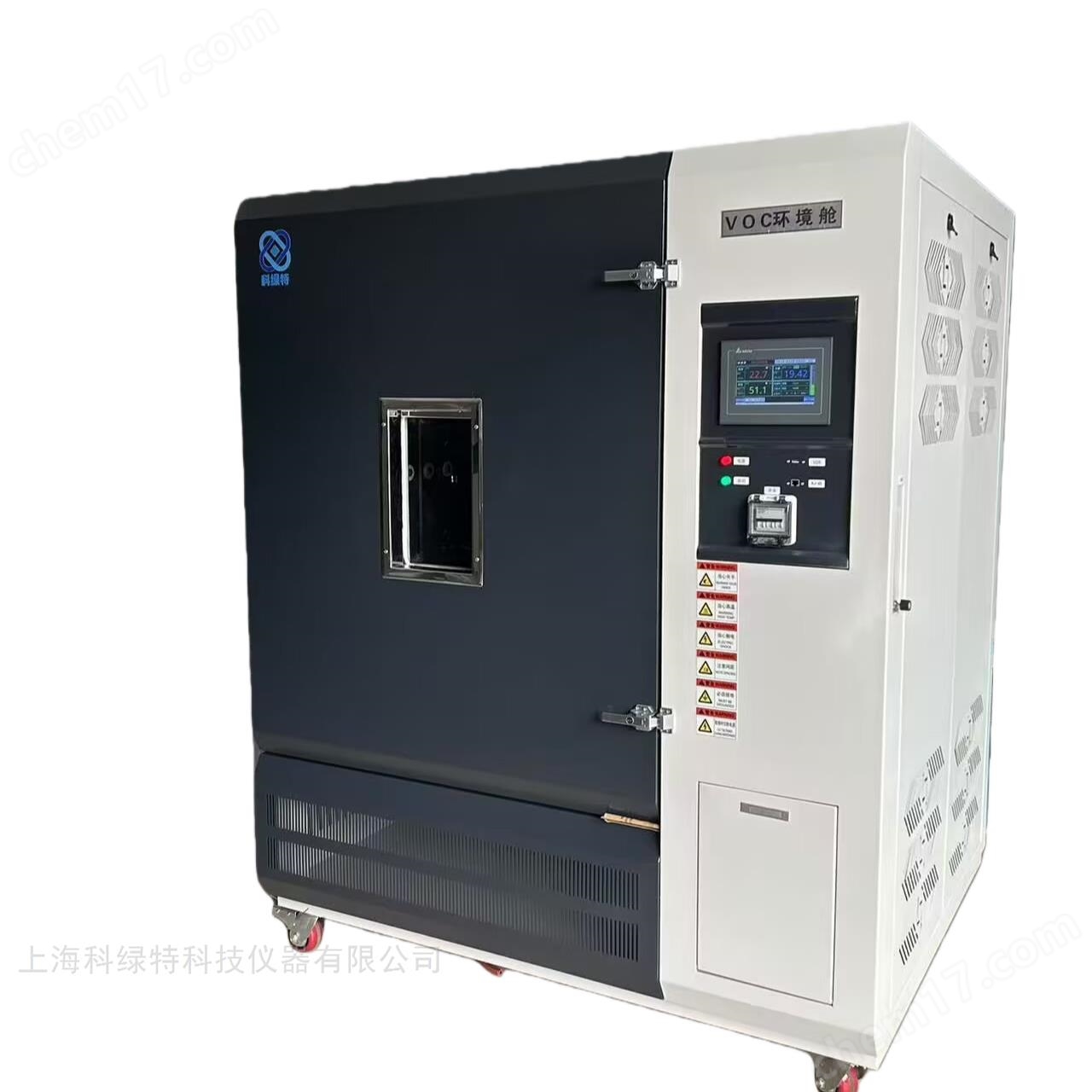
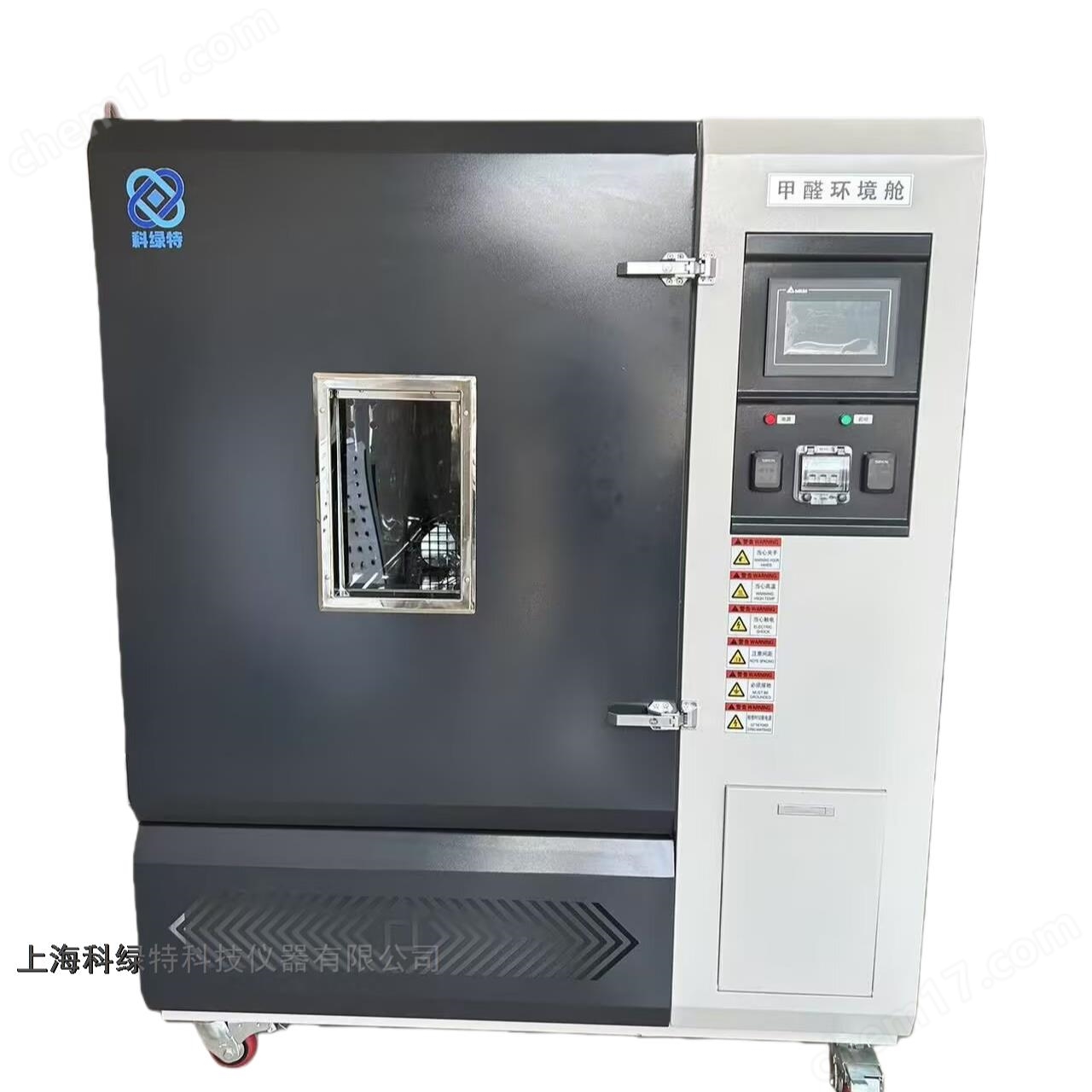


Climate chamber method formaldehyde VOC detection environmental chamber
NegotiableUpdate on 12/31
- Model
- Nature of the Manufacturer
- Producers
- Product Category
- Place of Origin
Overview
Many people carefully choose eco-friendly furniture when decorating and purchasing household building materials, but indoor pollution is still very common. What are the reasons. The main reason is that there are defects in the furniture inspection standards. Except for extremely expensive wooden furniture, other artificial furniture inevitably uses adhesives, paints, and other materials in its production and processing. These materials not only release formaldehyde, but may also contain harmful substances such as benzene, toluene, and xylene, which are a serious health hazard
Product Details
Climate chamber method formaldehyde VOC detection environmental chamberThe development principle:
One of the sources of formaldehyde is the glass glue used in indoor decoration, which is frequently used in home decoration. This is a very important decorative accessory. Glass doors and windows, bathroom cabinets, and various dining table decorations are mostly made of glass glue. We use white cement and glass glue to make our construction simpler, but the large amount of formaldehyde gas in the glass glue cannot be ignored. If we use glass glue at home, we can choose high-quality glass, which can fundamentally reduce the release of formaldehyde. Of course, the fundamental method is for each manufacturer to strictly test the formaldehyde emission during the manufacturing of glass adhesive, eliminate products with unqualified formaldehyde emission, and when it comes to formaldehyde detection, we have to mention the formaldehyde emission testing chamber.
Many people carefully choose eco-friendly furniture when decorating and purchasing household building materials, but indoor pollution is still common. What are the reasons. The main reason is that there are defects in the furniture inspection standards. Except for extremely expensive wooden furniture, other artificial furniture inevitably uses materials such as adhesives and paints during its production and processing. These materials not only release formaldehyde, but may also contain harmful substances such as benzene, toluene, xylene, etc. These harmful substances are a serious health hazard. So how can we effectively prevent these harmful substances from harming us, and what should we choose when choosing furniture.
Climate chamber method formaldehyde VOC detection environmental chamberDesign reference standards:
Testing and Materials Association Standards:
ASTMD5116-97 "Standard Guide for Determination of Organic Release in Indoor Materials and Products by Small Scale Environmental Chamber"
ASTMD6330-98 "Standard Operating Procedure for Determination of VOCS (Formaldehyde Removal) Release from Wooden Panels in a Small Environmental Chamber under Prescribed Testing Conditions"
ASTMD6670-01 "Standard Operating Procedure for Determination of VOCs Release from Indoor Materials and Products in a Full Scale Environmental Chamber"
E133396 "Standard Test Method for Determination of Formaldehyde Concentration and Release Rate in Gas Emissions from Wood Products in Large Environmental Chambers"
ASTMD6007-02 "Standard Test Method for Formaldehyde Concentration in Gas Emissions from Wood Products in a Small Scale Environmental Chamber"
Technical Specifications:
model |
KLT-V1000 |
KLT-V1000 |
|||
Nominal internal volume (liters) |
1000(1±2%) |
||||
|
internal dimensions (mm) |
W |
850 |
|||
D |
1080 |
||||
H |
1100 |
||||
|
external dimensions (mm) |
W |
1530 |
|||
D |
1285 |
||||
H |
1572 |
||||
|
sex can |
temperature range |
15~40 ℃ |
15~250℃ |
||
humidity range |
30~80 % RH |
5~80 % RH |
|||
temperature deviation |
≤ ±0.5℃ |
≤± 0.5 ℃ (at operating temperature) |
|||
humidity deviation |
≤ ± 2% RH |
≤± 2% RH (at operating temperature) |
|||
Temperature Uniformity |
≤±0.8 ℃ |
≤± 0.8 ℃ (at operating temperature) |
|||
humidity uniformity |
≤ ±2 % RH |
≤± 2% RH (at operating temperature) |
|||
temperature fluctuation |
≤ ±0.5℃ |
≤± 0.5 ℃ (at operating temperature) |
|||
Humidity fluctuation |
≤ ± 2% RH |
≤± 2% RH (at operating temperature) |
|||
Ventilation rate |
0-2.5 times/hour |
||||
sealing performance |
The air leakage rate inside the cabin is less than 5%. If the gas supply rate or pressure exceeds 1kpa, the gas leakage rate is less than 0.5% of the cabin capacity |
||||
Central wind speed |
0.1-1.0m/s (continuously adjustable) |
||||
Relative positive pressure |
10±5pa |
||||
spike recovery rate |
>80% |
||||
Background value mg/m3 |
Formaldehyde: ≤ 0.006; Single VOC: ≤ 0.002; TVOC:≤0.02 |
||||
Temperature control method |
Air jacket method (cold heat balance method) |
||||
Humidity control method |
Dual directional adjustment method for dry gas and moisture ratio |
||||
|
material |
shell |
Q235A cold-rolled steel plate 1.5mm, surface electrostatic spraying, white |
|||
inner box |
SUS304 mirror stainless steel 1.5mm (8k mirror) |
||||
adiabatic |
High density polyurethane foam+XPS |
Mineral fiber |
|||
seal |
Silicone (food grade), polytetrafluoroethylene |
||||
|
operation control |
monitor |
7-inch color touch screen, resolution 800x480, remote control (optional) |
|||
Automatically record projects |
Temperature, humidity, pressure (optional), flow rate (optional), operating time, fault record |
||||
Control method |
Temperature control: proportional, integral, derivative (P.I.D); System control: PLC+HMI |
||||
resolution |
Temperature: 0.1 ℃; Humidity: 0.1% RH |
||||
communication interface |
1 USB-A, 1 USB-B, 1 RS232, 1 RS485, 1 RJ-45 (optional) |
||||
Rough storage and recording function |
Memory, USB flash drive, SD card |
||||
Supplement water quality and cycle |
Distilled water; >30 days (continuous operation) |
||||
power supply |
AC380 (1 ± 10%) V (50 ± 0.5) Hz three-phase four wire+protective grounding |
||||
Installed capacity (Kw) |
3.0 |
7.0 |
|||
Weight (Kg) |
350 |
380 |
|||
Noise (dB) |
≤ 65dB |
||||
system protection |
High and low pressure protection, overcurrent protection of refrigeration system; Overtemperature protection; Motor overcurrent protection; Water shortage protection; Power supply under phase, phase sequence protection, etc. |
||||