-
E-mail
wuzq1970@126.com
-
Phone
13601525919
-
Address
206 Qingyang North Road, Changzhou
Product Categories
Jiangsu Peide Water Treatment Equipment Co., Ltd

Swimming pool disinfection equipment
NegotiableUpdate on 03/19
- Model
- Nature of the Manufacturer
- Producers
- Product Category
- Place of Origin
Overview
Swimming pool disinfection equipment
Product Details
Swimming pool disinfection equipment
Introduction to Swimming Pool Disinfection
A typical problem with indoor swimming pools is the so-called "pool odor" or "disinfectant odor". In fact, when people smell this odor, it indicates that the water treatment system of the entire pool has a problem, and the water quality of the pool is also problematic. Compound chlorine (or chloramine) is a disinfection byproduct of the reaction between free residual chlorine and ammonia. Ammonia is mainly brought into the pool by swimmers, such as sweat, urine, etc.
The swimming pool disinfection equipment is equipped with standard medium pressure ultraviolet lamps with a wide energy spectrum range - providing a solution for effectively and economically decomposing and removing chlorinated compounds. In addition to being used to remove chlorine compounds, swimming pool disinfection equipment can also provide disinfection capabilities, as ultraviolet technology can effectively inactivate bacteria, viruses, and protozoa, even Cryptosporidium and Giardia that are resistant to chlorine disinfectants.
The core of the UV system is a processing room with built-in high-performance UV lamps, where all the tubes are placed in an ideal way to adapt to various uses. The ultraviolet system can be installed in both horizontal and vertical pipeline systems. This treatment room is designed to ensure the ideal effect of water treatment. Due to the small number of UV lamps designed with fluid dynamics, the pressure loss of this device is extremely low. In system design, special attention is also paid to ensuring maintenance convenience.


Introduction to Swimming Pool Disinfection Equipment
The disinfection of swimming pool water is receiving increasing attention. Traditional swimming pool water disinfection often uses chlorine disinfection for sterilization, and the drawbacks of chlorine disinfection are well-known. As one of the mainstream water disinfection equipment, ultraviolet sterilizers are increasingly being used in swimming pool water treatment. It is understood that in most large swimming pools in developed Western countries, swimming pool disinfection equipment is used to effectively disinfect and sterilize the water. In 2012, all swimming venues at the London Olympics were disinfected with medium pressure ultraviolet radiation.
At present, the most commonly used type of ultraviolet disinfection in domestic swimming pools is the low-pressure ultraviolet lamp tube, which is a traditional ultraviolet sterilizer with an internal pressure of less than 103Pa, only monochromatic ultraviolet spectrum output, and a single lamp tube power of less than 400W. The medium voltage ultraviolet sterilizer produced by Peide Water Treatment can achieve continuous ultraviolet spectrum output at multiple spectral ends of 104-106Pa and 200nm-400nm, with a single lamp power of up to 6000W. Compared with ozone and chlorine disinfection, medium voltage ultraviolet disinfection is pollution-free, green and environmentally friendly; Small space occupation and easy installation and operation; Low operating costs and long working life; The sterilization function is not affected by the environment. So the medium pressure ultraviolet sterilizer can kill more types of bacteria and has a stronger ability to decompose chemicals.
There are many benefits to using Peide Water Treatment Company's medium pressure ultraviolet system in swimming pools. Firstly, it can eliminate the chemical compounds brought in by swimmers that react with chlorine in the water to form compound chlorine (also known as chloramines). These chlorine compounds have an unpleasant odor and can cause swimmers' red eyes and skin irritation, murky water quality, and may also damage the steel structure of swimming pool buildings.
The Peide water treatment UV system also has disinfection effects. Although a certain amount of chlorine disinfection is still required, the amount of chlorine used can be significantly reduced compared to conventional single chlorine disinfection.
Peide Water Treatment Manufacturer supplies UV sterilizers, swimming pool disinfection equipment, open channel UV sterilizers, aquaculture UV sterilizers, etc. This chapter focuses on swimming pool water disinfection, with a particular emphasis on swimming pool disinfection equipment.
Working principle of swimming pool disinfection equipment
When ultraviolet light is irradiated on microorganisms, energy transfer and accumulation occur, that is, the nucleic acids inside the microorganisms absorb the energy of ultraviolet light. The amount of ultraviolet light with a wavelength of 260nm absorbed is relatively large, resulting in the breaking of chemical bonds of molecules, hindering the replication of nucleic acids and the synthesis of proteins, thus achieving the purpose of sterilization. The effectiveness of ultraviolet sterilization depends on the product of the intensity and duration of ultraviolet radiation (radiation dose). The required radiation dose to kill different bacteria varies. When the radiation dose is 120mw/cm2, the killing rate of Escherichia coli is about 99.99%. The ultraviolet sterilizer used in the circulating water system of swimming pools usually consists of a UV chamber, medium voltage lamps, cleaning components, and an electrical control system.
Characteristics of swimming pool disinfection equipment
Infinite power regulation, excellent operating condition
Accurately calibrated UV sensors can achieve excellent performance control
The cavity has a fluid dynamics design
The operation interface is simple and friendly
The cavity is made of AISI 316L stainless steel, and a special system for seawater can be made of 318LN stainless steel
Advantages of swimming pool disinfection equipment
Extremely low operating costs and head loss
Accurate UV lamp power control extends the lifespan of the bulb and achieves energy-saving operation
Adopting a spatial design, occupying a small space, greatly reducing installation costs, suitable for new construction or renovation projects
Wide ultraviolet spectrum brings efficient disinfection effect
The cavity designed by fluid mechanics significantly reduces the operating costs during the product's service life
Medium pressure ultraviolet disinfection UV dose

Calculation of UV dose
The bactericidal effect is a function of UV dosage. This is the product of the intensity level of ultraviolet light and the exposure time. The design of Peide water treatment swimming pool disinfection equipment aims to optimize energy and contact time to ensure the correct level of treatment is provided and maintained. The swimming pool disinfection equipment provided by Peide Water Treatment can kill a wide range of microorganisms including Escherichia coli, influenza cryptosporidium, hepatitis, and Legionella.
Peide Water Treatment UV Dose Table

US Environmental Protection Agency Sterilization Standard Dosage Table


The incidence of infection

Comparison between UV-C disinfection technology and several traditional disinfection technologies

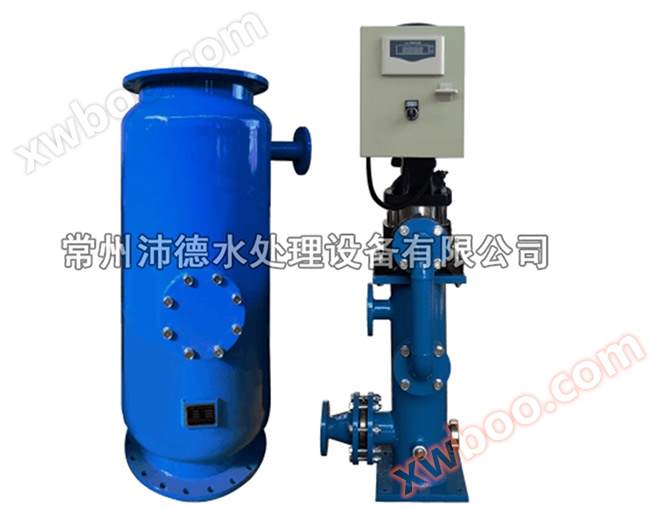
Picture of swimming pool disinfection equipment


Application of UV Disinfection in Swimming Pool Water Disinfection
The swimming pool disinfection equipment can be equipped with an automatic cleaning mechanism to maintain the cleanliness of quartz tubes, UV lamps, and UV sensors. This is crucial for the performance of the ultraviolet system. By monitoring the process of ultraviolet irradiation in the ultraviolet treatment room, efficiency can be improved. If the control system detects a change in the intensity of ultraviolet light measured by the ultraviolet sensor, the control system will attempt to compensate for this change by changing the power of the ultraviolet lamp in the most economical way (increasing or decreasing) to achieve the process goal. The natural aging of UV lamps, contamination of UV sensors and quartz tubes, and changes in water quality caused by swimmers can all affect the measured UV intensity. If the UV intensity automatically decreases, the cleaning operation will start to ensure that potential dirt is removed. Although the ultraviolet system has automatic energy control function, the system still uses energy, but this energy is not wasted. The electrical energy consumed by ultraviolet lamps is ultimately converted into heat energy, which heats water and saves energy from the water heating system.
Within 6 months of installation, the combined chlorine content will decrease by 75-80%. The stability of chlorinated compounds is between 0.2mg/L and 0.3mg/L, which is far below the standard specified in the National Guidelines for Public Swimming Pools. The significant improvement in water and air quality is particularly beneficial for pool staff and customers, greatly reducing the negative impact on health.
Due to the low content of chlorine compounds in the air, metals in swimming pools can be better protected, as chlorine compounds can condense and become highly corrosive, which may cause metal corrosion. This is particularly important for protecting infrastructure such as steel roof structures and air handling systems.
In terms of continuous maintenance of the system, the low repair costs and a one-year maintenance cycle greatly benefit customers, and the cost of replacing ultraviolet lamps is much lower than that of other treatment systems.
Most importantly, the UV system can reduce the frequency of backwashing of pool filters. By backwashing only once a week, a significant amount of water can be saved annually, which aligns with the facility's water reduction goals and lowers operating costs.
In addition to reducing the content of chlorinated compounds in the swimming pool and providing a better swimming experience, the ultraviolet system also has another important and positive role. High energy ultraviolet radiation not only reduces the concentration of chlorine compounds, but also has excellent disinfection effects. The energy used to reduce chlorine compounds is much higher than the energy required for disinfection. Protozoa such as Cryptosporidium and Giardia have high resistance to chlorine, but low resistance to ultraviolet radiation. This means that the ultraviolet system can also improve the microbial indicators of water quality. Therefore, ultraviolet radiation not only effectively reduces the content of chlorine compounds, but also greatly improves the hygiene of pool water.
Scope of application of swimming pool disinfection equipment
Scope of application: Swimming pools, water parks, aquariums, standard swimming pools, private swimming pools, baby swimming pools
Specifications, dimensions, and technical parameters of swimming pool disinfection equipment

Installation diagram of medium pressure ultraviolet sterilizer for swimming pool disinfection equipment

UV sterilizer awarded CE certification by the European Union

Application Cases
Swimming Pool Disinfection Equipment Case 1
Since the installation of the UV water treatment system, there have been significant changes in the water and air quality of the recreational pools in the park's recreational areas; Its operating costs have also been greatly reduced, and this ultraviolet system has fully recovered its costs in less than a year.
The administrator happily said, "We use a medium pressure ultraviolet system to control the compound chlorine, namely chloramine. Since its installation, the effectiveness of the ultraviolet system has remained excellent, and the level of compound chlorine has decreased from 1.8 ppm to 0.4 ppm, greatly improving the environment of the swimming pool. Guests have noticed this improvement and continuously praised our progress in pool water treatment, such as the absence of any unpleasant odors; Chlorine gas # 39; The taste is not as sharp as the eye pain that usually occurs in indoor swimming pools. Guests found that they no longer needed to use goggles and could not smell the smell of chlorine water on their bodies when leaving the pool. The cleanliness of the water has also been greatly improved, with the transparency rapidly increasing from 80% to 95%, making the pool water clear and transparent. "
Swimming Pool Disinfection Equipment Case 2
The application of medium voltage ultraviolet equipment in international schools has achieved great success. The school engineer said, 'The UV system is very easy to operate. In addition to effectively controlling microorganisms, it also helps us reduce the concentration of chloramine to 0.2 ppm, making the pool water clearer and greatly reducing the amount of dilution water used.'. Before installing the UV system, we replaced approximately 400 cubic meters of water per week just to keep the chlorine compound at a low level; And now the concentration of chloramine below 0.2 ppm is very satisfactory to us. The amount of new water, wastewater discharge, energy loss, and chemical agent usage have all been greatly reduced, resulting in a significant decrease in operating costs. Due to the significant reduction in operating costs, the investment in installing this ultraviolet system was recouped within about a year. "
Swimming pool disinfection equipment inspection, production debugging, packaging
Analysis and Inspection of Stainless Steel Material

After purchasing the raw materials for the medium voltage ultraviolet sterilizer for swimming pool disinfection equipment, the testing personnel in the testing department of Peide Water Treatment Company will conduct strict testing on the raw materials. Peide Water Treatment purchased a handheld alloy analyzer at a high price (200000 yuan), which features revolutionary GOLDD technology and extremely high sensitivity and detection accuracy. Purchasing a handheld alloy analyzer can be considered an expensive investment. Peide Water Treatment focuses on product quality control, so material inspection must use good testing equipment.
Welding effect

Welding

Mechanical polishing

Electrolytic polishing

Water quality analysis and inspection

Shipping packaging diagram of swimming pool disinfection equipment