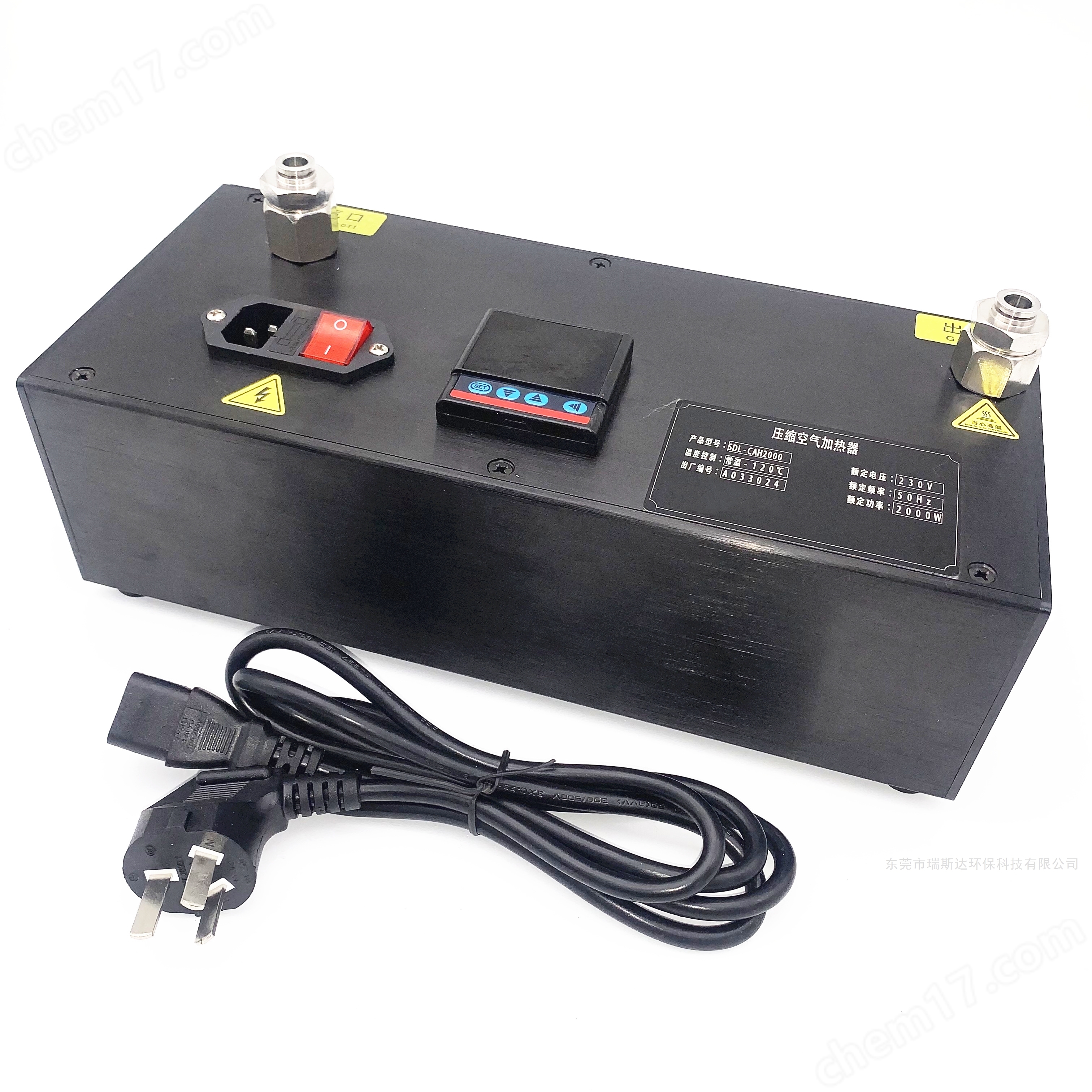
The specialized hot air gun for heat shrink tubing is a professional tool designed specifically for heating and shrinking heat shrink tubing. By accurately controlling temperature and air volume, it achieves uniform shrinkage of heat shrink tubing, providing insulation, sealing, and protection functions. Compared to simple tools such as lighters, hot air guns have core advantages such as temperature control, uniform heat, and safe operation. They are tools for electronic maintenance, wire harness processing, electrical installation, and other fields.
The hot air gun heats the air to the set temperature through a built-in electric heating wire, and the fan sends out stable hot air. Heat shrink tubing (usually made of materials such as polyolefin, PVC, or PTFE) enhances molecular chain activity when heated, shrinks in diameter, and tightly adheres to the wrapped material. After cooling, it forms a protective layer.

● Electronic maintenance/precision operation
Recommendation: 300-800W small hot air gun with high temperature control accuracy (± 5 ℃)
Features: Lightweight (≤ 500g), temperature range 100-400 ℃, suitable for PCB boards and small wire harnesses
Industrial wiring harness/pipeline connection
Recommendation: 1500-2000W industrial grade hot air gun, multi speed temperature control
Features: High power, sufficient air volume, can work continuously, suitable for large diameter heat shrink tubing (≥ 10mm)
● Professional production/assembly line
Recommendation: Fixed hot air table/tunnel furnace or 360 ° circular hot air gun
Features: Uniform temperature, high efficiency, suitable for batch operations

● Power matching
Heat shrink tubing diameter ≤ 5mm: 800-1000W is sufficient
Recommended heat shrink tubing diameter 5-20mm: 1200-1800W
Heat shrink tubing diameter>20mm: above 2000W, considering industrial grade
● Temperature control
● Additional features
Safety protection (automatic power-off for overheating/tipping)
Airflow regulation (precise control of heat distribution)
Detachable nozzle (suitable for different work scenarios)

Choose the appropriate size of heat shrink tubing (inner diameter 10-20% larger than the cable)
Clean the surface of the wrapped item to ensure no oil or water stains
Insert the heat shrink tubing into the cable to the appropriate position
Connect the power and set the temperature (starting from low gear and gradually increasing)
Preheat for 1-2 minutes until the temperature stabilizes
Maintain a distance of 10-15cm between the hot air gun and the heat shrink tubing at a 45 ° angle
Heating techniques:
From heat shrink tubingstart in the middleSlowly move along the axis (at a speed of about 1-2cm/second)
at the same timeSmall rotationHot air gun or cable to ensure uniform heating in the circumferential direction
Gradually extend towards both ends to avoid the formation of bubbles
Observe the uniform shrinkage of the heat shrink tubing and ensure it is tightly attached to the cable. If there are no wrinkles on the surface, it is considered complete
Maintain ventilation in the operating area to avoid inhaling harmful gases
When using a hot air gunDo not touch the nozzle(Temperature can reach 600 ℃)
During the heating processAvoid fixed-point stopsTo prevent local overheating and melting
After use, place it on a heat-resistant bracket and store it after cooling
Power: 2000W
Temperature: adjustable from 50-600 ℃, LCD display
Features: Two levels of wind speed, can be placed vertically to free hands
Price: Approximately 200-300 yuan
Suitable for: industrial wire harness, medium-sized heat shrink tubing (5-20mm)
Suitable for: Large scale heat shrink operations, high temperature materials such as PTFE, etc
Features: Desktop fixed, 360 ° circular air outlet
Suitable for: assembly line production, large diameter heat shrink tubing (≥ 20mm)
reason:
solve:
Maintain a constant moving speed (1-2cm/s) and rotate slightly
Adjust the distance to 10-15cm and maintain a 45 ° angle
Raise the temperature by 5-10 ℃, but not exceeding the upper limit of material tolerance