-
E-mail
wuzq1970@126.com
-
Phone
13601525919
-
Address
206 Qingyang North Road, Changzhou
Product Categories
Jiangsu Peide Water Treatment Equipment Co., Ltd

Sewage lifting device
NegotiableUpdate on 03/19
- Model
- Nature of the Manufacturer
- Producers
- Product Category
- Place of Origin
Overview
Sewage lifting device, also known as sewage elevator, sewage lifting equipment, sewage lifting complete set of equipment. The sewage lifting device completely subverts the traditional lifting method in terms of design ideas, perfectly combining the concepts of solid-liquid separation, backwashing integration, and intelligence. The sewage lifting device is a set of drainage equipment widely used in places such as basements, ships, vehicles, etc. that are far away from drainage risers and have poor drainage conditions. This equipment can collect and treat domestic water from bathrooms. It is usually a comprehensive system that can solve public health problems in some special places. We often encounter situations in the process design of building bathrooms in the basement of buildings. At this point, regardless of how many bathroom fixtures are installed in the bathroom, there are usually two methods: one is to set up a collection pit on the basement floor, collect the sewage together, and use a submersible sewage pump to lift and discharge it to the outdoor underground sewage pump well; Another method is to automatically discharge the sewage from the bathroom into the outdoor underground sewage pump well, and use a submersible sewage pump to lift and discharge it into the sewage inspection well near the pump well. The first method has two drawbacks: firstly, there are solid substances such as feces in the sewage, which can easily cause blockage if not cleaned up for a long time; The second issue is the poor sealing of the water collection pit, which has an odor and poor hygiene conditions. The second method is to build a pump well outdoors, which is deep, requires a large investment, and is inconvenient to manage. In addition, there may be situations where the bathroom in the building is set up in a staggered manner, causing the bathroom to be far away from the drainage riser, but the drainage riser cannot be suspended under the floor slab. In this case, the commonly used method is to thicken the floor cushion layer and bury the drainage branch pipe in the cushion layer at a certain slope into the drainage riser. The thickness of the cushion layer is relatively thick, sometimes reaching 350-4
Product Details
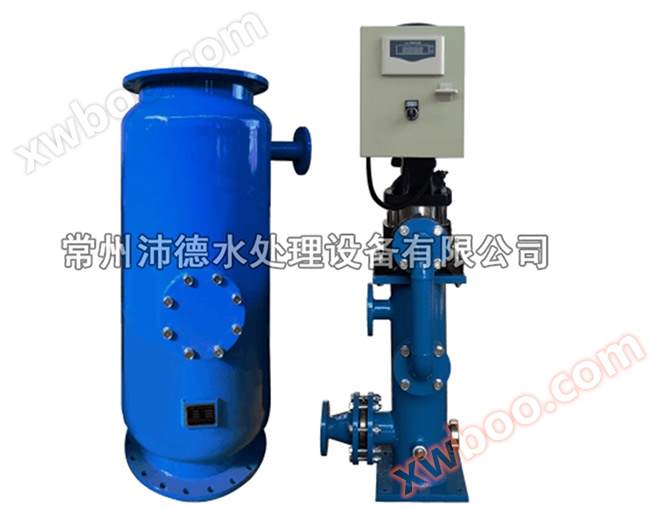
Sewage lifting device
Product model: PDWS
Overview of sewage lifting device
Sewage lifting device, also known as sewage elevator, sewage lifting equipment, sewage lifting complete set of equipment. The sewage lifting device completely subverts the traditional lifting method in terms of design ideas, perfectly combining concepts such as "solid-liquid separation", "backwashing", "integration", and "intelligence".
The sewage lifting device is a set of drainage equipment widely used in places such as basements, ships, vehicles, etc. that are far away from drainage risers and have poor drainage conditions. This equipment can collect and treat domestic water from bathrooms. It is usually a comprehensive system that can solve public health problems in some special places.
We often encounter situations in the process design of building bathrooms in the basement of buildings. At this point, regardless of how many bathroom fixtures are installed in the bathroom, there are usually two methods: one is to set up a collection pit on the basement floor, collect the sewage together, and use a submersible sewage pump to lift and discharge it to the outdoor underground sewage pump well; Another method is to automatically discharge the sewage from the bathroom into the outdoor underground sewage pump well, and use a submersible sewage pump to lift and discharge it into the sewage inspection well near the pump well. The first method has two drawbacks: firstly, there are solid substances such as feces in the sewage, which can easily cause blockage if not cleaned up for a long time; The second issue is the poor sealing of the water collection pit, which has an odor and poor hygiene conditions. The second method is to build a pump well outdoors, which is deep, requires a large investment, and is inconvenient to manage. In addition, there may be situations where the bathroom in the building is set up in a staggered manner, causing the bathroom to be far away from the drainage riser, but the drainage riser cannot be suspended under the floor slab. In this case, the commonly used method is to thicken the floor cushion layer and bury the drainage branch pipe in the cushion layer at a certain slope into the drainage riser. The thickness of the cushion layer is relatively thick, sometimes up to 350-400mm, which poses difficulties for the use of the bathroom and the layout of the building.
With the increasing scarcity of urban land, the utilization rate of underground buildings in daily life and business activities is becoming higher and higher. The original underground sewage storage and discharge facilities not only have outdated technology, high failure rate, and difficult maintenance, but also seriously pollute the surrounding environment with the odor emitted by pollutants and sewage during regular cleaning. At the same time, toxic and harmful gases produced by sediment also cause harm to maintenance personnel from time to time. Therefore, the existing facilities can no longer meet the environmental requirements of modern life and business activities.
Here, the sewage lifting device was created as a result. The sewage lifting device is a successful combination of technologies such as "underground sewage discharge device" and "split type debris separator device" with PLC control. Its promotion and application have completely solved a major environmental problem that has long plagued the storage, lifting, and discharge of domestic sewage in underground buildings.
Function of sewage lifting device
1. The sewage lifting device can lift and transport wastewater below the sewer or municipal pipeline network.
2. Solve and avoid the problems of traditional water collection pits.
Advantages of sewage lifting device
1. Where does water come in and where does it come out
The sewage lifting device only needs to be simply connected to the inlet and outlet of the equipment during installation, and can operate stably when powered on, making installation very convenient.
2. Avoid burning the water pump
Completely separate the impurities in the sewage from the sewage, so that the impeller of the sewage can never come into contact with its killers: entanglements and hard objects, ensuring the normal use environment of the water pump and permanently avoiding abnormal damage to the water pump.
3. There is no sediment in the debris inside the box
When the water pump is started, the debris in the solid-liquid separation device is automatically discharged into the outdoor septic tank; At the same time as the water pump is started, a high-pressure water flow begins to flush the bottom of the water tank, stirring up any small sludge and water that may be present in the sewage and lifting it into the outdoor pipeline network without the need for manual cleaning.
4. Avoid emitting foul odors
We have all had the experience of the bathroom at home being unable to be flushed in a timely manner due to a water outage: when we tried to flush it again the next day, we found that the bathroom had a very strong odor. The reason is that the feces have fermented. Therefore, the capacity of the water tank should not be too large, and precise water level control should be achieved through a liquid level gauge to ensure timely discharge of sewage and pollutants, avoiding long-term fermentation and odor generation. In addition, with the sealing gasket and ventilation measures, the equipment works completely without any odor.
5. Reasonably control the operation of equipment
Start the water pump to drain when the water level reaches a high level, and stop the pump when it reaches a low level; When the next start-up water level is reached, another water pump starts to drain water. The two water pumps switch alternately and serve as backups for each other, ensuring safety and reliability. When the water level is too high, both pumps start draining at the same time to prevent sewage from overflowing from the water tank.
Working principle of sewage lifting device
1. The material of the sewage lifting device water tank is stainless steel, which is corrosion-resistant, durable, and has a beautiful appearance.
2. The water tank adopts a fully enclosed design, with a top cover that can be opened, and there is no odor, sewage, or odor overflow.
3. The sewage lifting device adopts a famous brand sewage submersible pump for the discharge pump, which has reliable performance and long service life.
4. Adopting a solid-liquid separation backwash device, debris is blocked in front of the net, and sewage enters the water tank without touching the impeller of the water pump. When the sewage pump starts to discharge sewage, debris is discharged together.
5. Fully automatic control, when the liquid level in the tank is high, the float type liquid level switch sends a signal, and the sewage pump works to discharge water until the liquid level drops to a low level; If the inlet flow rate of the box is high and the single pump fails to discharge water in a timely manner, the device will start another water pump, and both water pumps will discharge water simultaneously. Normally, one water pump works to discharge sewage (two water pumps work alternately to discharge sewage).
Technical parameters of sewage lifting device
Flow range: 5-150m3/h
Head range: 7-30 meters
Power range: 0.75-18.5KW
Inlet and outlet diameter: DN50-150mm
Environmental temperature: 0-40 ℃
Power frequency: 50HZ+5%
Power supply voltage: 380V ± 10% or 220V ± 10%
PH value: 4-10
Relative humidity: ≤ 90% (20 ℃), no condensation
Composition of sewage lifting device system
1.304 stainless steel box body
The sewage lifting device is made of 304 stainless steel material, and there is an exhaust pipe on the upper part of the box. It is best to connect it to the outside or to the building's drainage and ventilation system when in use; There is a sewage outlet at the bottom of the box, which is controlled by a stainless steel ball valve for easy drainage of sewage during maintenance and testing. There are three cable outlet holes for water pumps and liquid level gauges on the upper side of the top of the box, which are equipped with wire clips for easy threading. The box can withstand the pressure generated by the corresponding sewage treatment capacity and is corrosion-resistant.
2. Lift the pump
The sewage lifting device adopts a well-known submersible sewage pump, which can be of large channel or cutter type, with reliable performance, lightweight and practical, long service life, low vibration, and low temperature rise.
3. Solid liquid separation device
When the water level in the water tank reaches the starting level of the water pump, the water pump starts and flows under pressure into the solid-liquid separator through the backwash port. The solid debris remaining in the backwash solid-liquid separator is lifted and discharged into the outdoor pipeline network. Each backwash can lift and discharge all the debris in the solid-liquid separator without residue.
|
4. Valves
Made of 304 stainless steel material, DN50-DN150, Pressure range: 0.6-1.0MPa. |
Sewage lifting devicescope of application
Drainage for basement toilets, subway toilets, civil air defense basement toilets, other underground toilets, and all other places where sewage needs to be raised.
Common problems with sewage lifting devices
What is the relationship between the solid-liquid separation device and the water tank capacity?
Through rigorous hydraulic model testing, when the debris in the solid-liquid separation device remains at one-third, the highly sensitive stainless steel rod type floating ball feeds back a signal to the control system, which automatically starts the water pump for drainage to ensure that the solid-liquid separation device will not be blocked and avoid manual cleaning. When the solid-liquid separation device is too large or too small, there will be blockages in the solid-liquid separation device, causing the bathroom to be unable to drain water in a timely manner and overflow.
What are the special features of the sewage lifting pump?
Due to concerns about odor, the capacity of the water tank has been limited. But we know that all electrical equipment is very afraid of frequent starting. When the water pump starts frequently, the temperature of the water pump motor rises too quickly and cannot dissipate heat in time, which can lead to motor burnout. Therefore, the sewage lifting device is equipped with high insulation level water pumps: when the water temperature is high, the water pumps are safe.
How does the equipment work when dual pumps are started simultaneously?
When the drainage volume of the bathroom is very large at a certain moment and one water pump cannot meet the drainage demand, the second water pump will automatically start drainage to avoid timely leakage of sewage discharge. At this time, the bathroom drainage will enter the water tank through a safety reflux device, which will not affect the normal use of the bathroom.
4. If the inlet check valve is stuck, will the equipment overflow?
There is a very small probability that the inlet check valve will get stuck and fail to close properly. If the water pump starts to drain at this time, the sewage will flow back to the water tank through the safety reflux device. When the sewage continues to enter the water tank and reaches the ultra-high liquid level, another water pump starts to drain. At the same time, issue an alarm signal.
Model and description of sewage lifting device