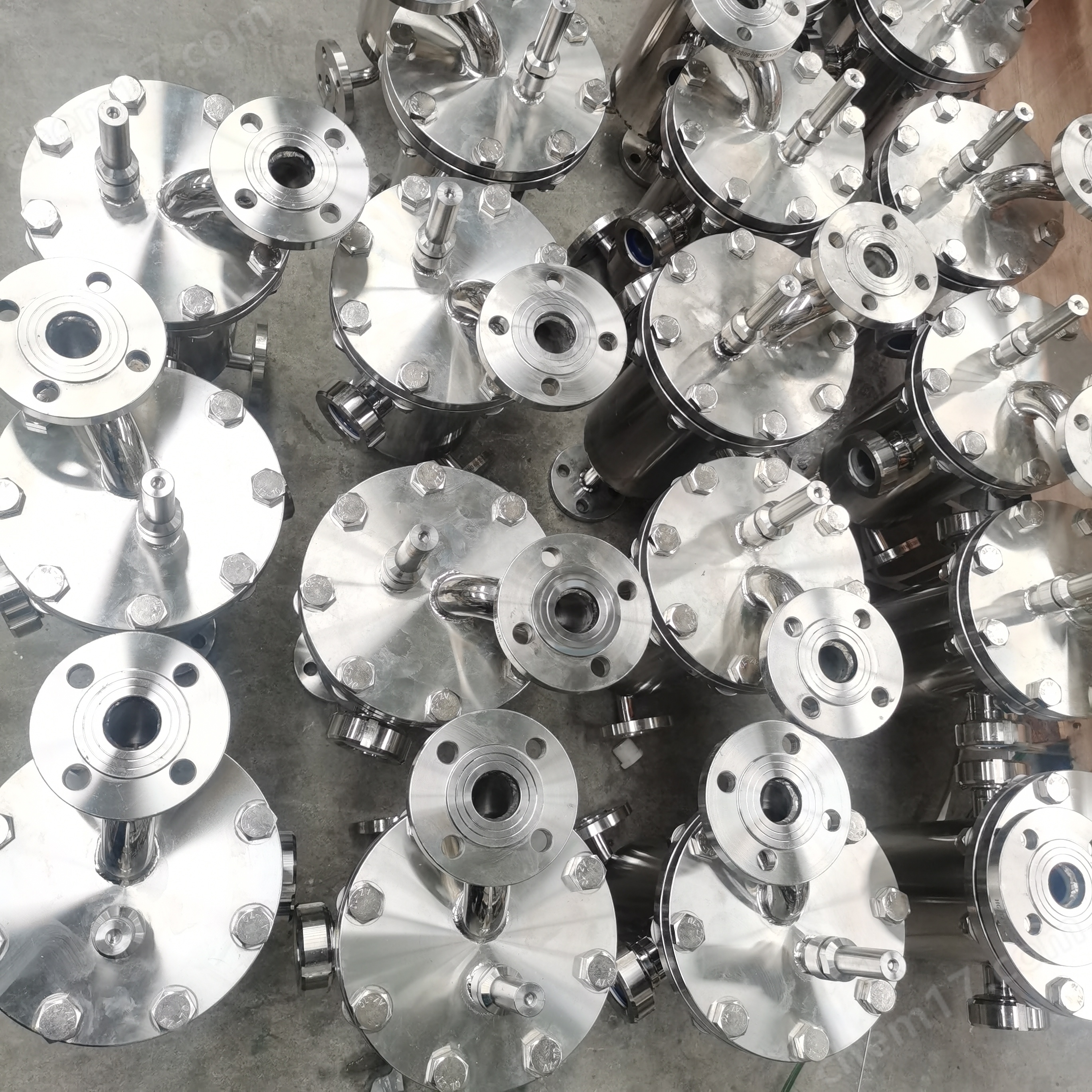
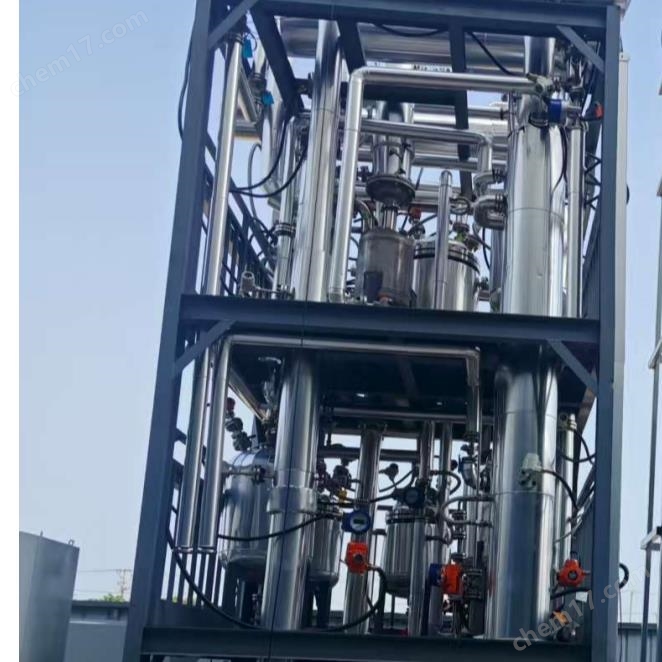
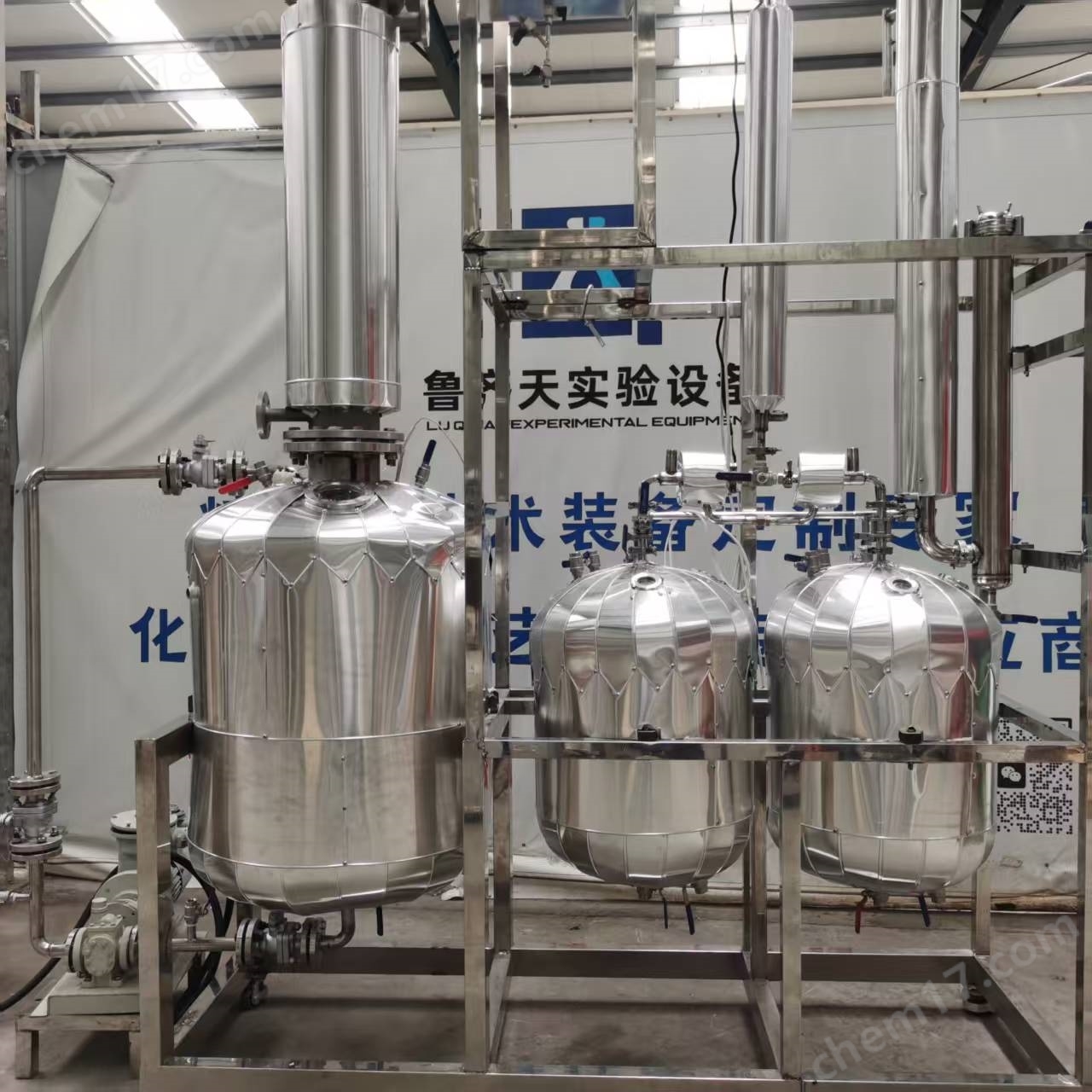
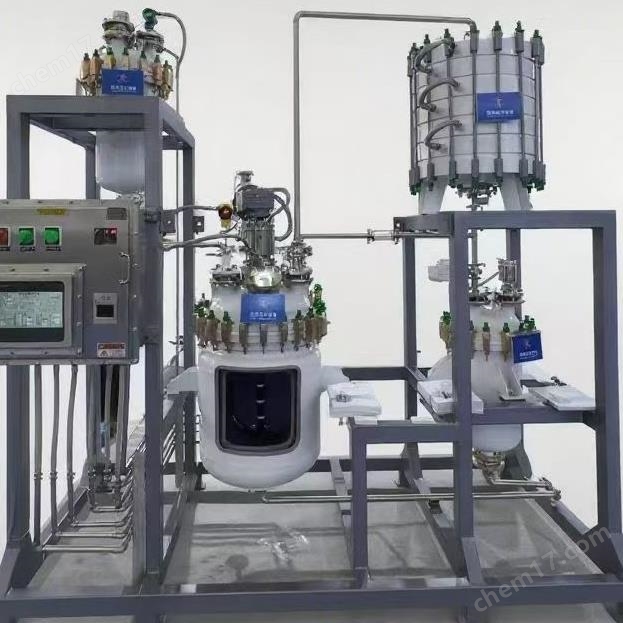
The hygiene grade reflux ratio controller is a core component of distillation in the clean industry. It condenses the top steam of the tower and divides it into reflux and extraction, which complies with GMP and is easy to clean.
Sanitary reflux ratio controllerIt is a key core component of distillation systems in clean industries such as pharmaceuticals, food, and dairy products, designed specifically to meet the requirements of high cleanliness and aseptic production. Its core function is to achieve tower top steam condensation and reflux extraction diversion control.
Sanitary reflux head specifically refers to the distillation tower top components that meet hygiene standards such as 3A and SMS on the surface of the contact material, and are compatible with CIP/SIP processes. Its core function includes three points: firstly, it receives the process steam rising from the top of the tower and cooperates with the condenser to complete condensation and conversion; The second is to ensure the distillation separation efficiency and product purity by accurately adjusting the reflux ratio; The third is to achieve the diversion and transportation of condensate, with a portion of the reflux tower maintaining distillation conditions and the other portion being extracted as finished products, meeting GMP requirements for clean material transportation throughout the process.
Pharmaceutical industry: high-precision purification processes for antibiotics, injection raw materials, pharmaceutical excipients, etc., need to avoid microbial contamination and material residue.
Food industry: essence, spices, food additives, edible alcohol and other production. It is required that the contact materials should be free of harmful substances.
Biological products: vaccines, enzyme preparations, biological fermentation liquids, etc. must be separated by distillation and meet aseptic production standards.
Dairy industry: deep processing techniques such as whey protein and lactose, suitable for high-frequency cleaning and sterilization needs.
The main material is preferably 316L stainless steel, and some high corrosion conditions use Hastelloy alloy to ensure no metal ion precipitation.
The surface of the contact material needs to be polished with a roughness Ra ≤ 0.8 μ m to reduce material adhesion residue.
All materials must be certified as metal materials for food contact and comply with FDA and GMP standards.
Flow channel design: There are no depressions throughout the entire process, and a smooth transition structure is used to avoid material retention and the growth of microorganisms.
Connection method: Adopting clamp type quick installation interface, easy disassembly, no blind spots in threaded connection, convenient for cleaning and maintenance.
Function integration: Some models integrate liquid level monitoring interfaces, temperature detection points, support automatic control of reflux ratio, and are suitable for intelligent production.
Cleaning adaptation: structurally compatible with CIP online cleaning and SIP online sterilization, capable of withstanding high temperature steam sterilization (usually ≤ 135 ℃).
The sealing element is made of food grade silicone rubber, fluororubber or PTFE material, which is resistant to high temperature, medium corrosion, and does not react with the material.
The sealing structure adopts a surface sealing design, which fits tightly to prevent leakage while avoiding the sealing surface from becoming a clean dead corner.
Equipped with pressure protection function, some are equipped with safety valve interfaces to prevent equipment damage or material contamination caused by overpressure.
Work pressure: Normal working conditions range from 0.1 to 1.0 MPa, and special customization can be adapted to high-pressure distillation processes.
Working temperature: -10 ℃~150 ℃, meeting the distillation and condensation needs of most clean industries.
Reflux ratio adjustment range: usually 0-100% continuously adjustable, with an adjustment accuracy of ≤± 1%, ensuring stable separation effect.
Caliber specification: DN25-DN100, can be customized according to the processing capacity of the distillation tower.
Cleanliness standard: Sanitary grade requires 3A and GMP certification, while ordinary industrial grade does not have hygiene requirements.
Structural details: Sanitary grade with no cleaning dead corners, ordinary grade may have welding blind spots and thread residue.
Material and Surface: 316L polished material for sanitary grade, carbon steel and stainless steel for ordinary grade, no polishing requirements for surface.
Maintenance adaptation: Sanitary grade supports online cleaning and sterilization, while ordinary grade requires offline disassembly and cleaning.
Selection criteria: Based on the corrosiveness of the material, working temperature and pressure, processing capacity, and reflux ratio adjustment requirements, match the material and caliber.
Installation requirements: Ensure horizontal fixation during installation, clean and undamaged interface sealing surface, and avoid leakage caused by installation deviation.
Maintenance points: Regularly check the aging of seals, follow the CIP/SIP process according to the production cycle, and avoid material residue.
Verification requirements: Regularly calibrate the reflux ratio adjustment mechanism to ensure control accuracy and guarantee product quality stability.