-
E-mail
18622392231@189.cn
-
Phone
18622392231
-
Address
Intersection of Jialing Road and Hongqi Road, Nankai District, Tianjin
Product Categories
San Chuan Yi Anti Chemical Technology (Tianjin) Co., Ltd
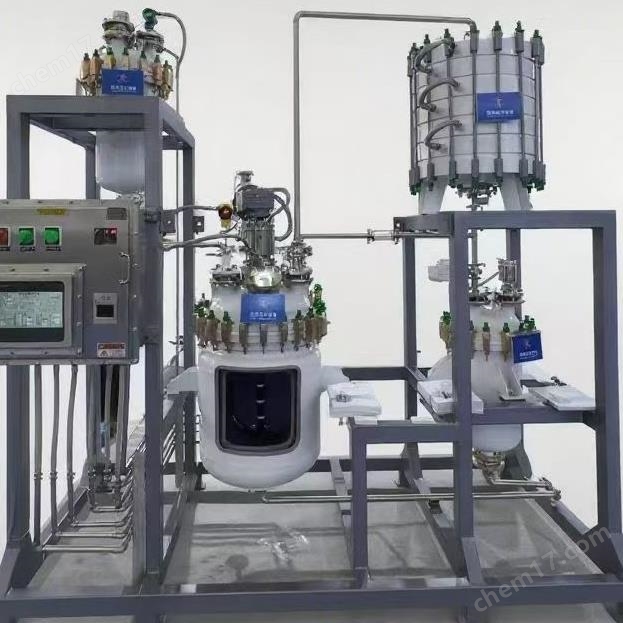
Enamel distillation device
NegotiableUpdate on 12/18
- Model
- Nature of the Manufacturer
- Producers
- Product Category
- Place of Origin
Overview
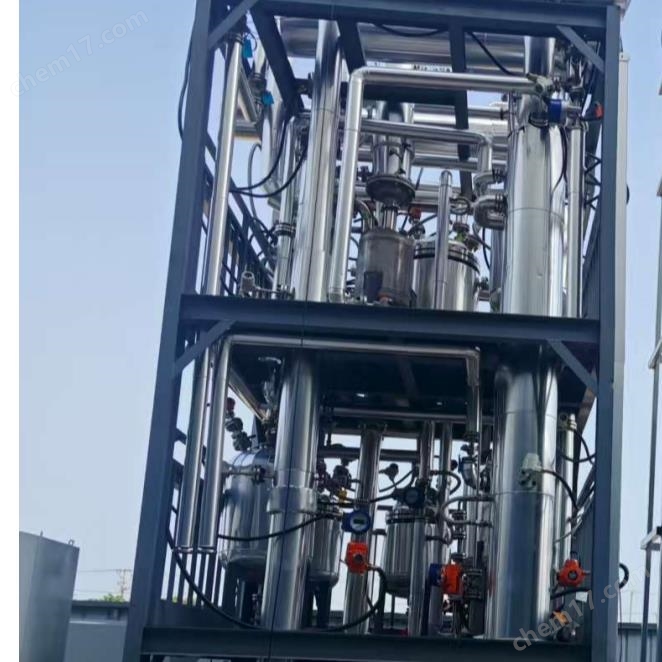
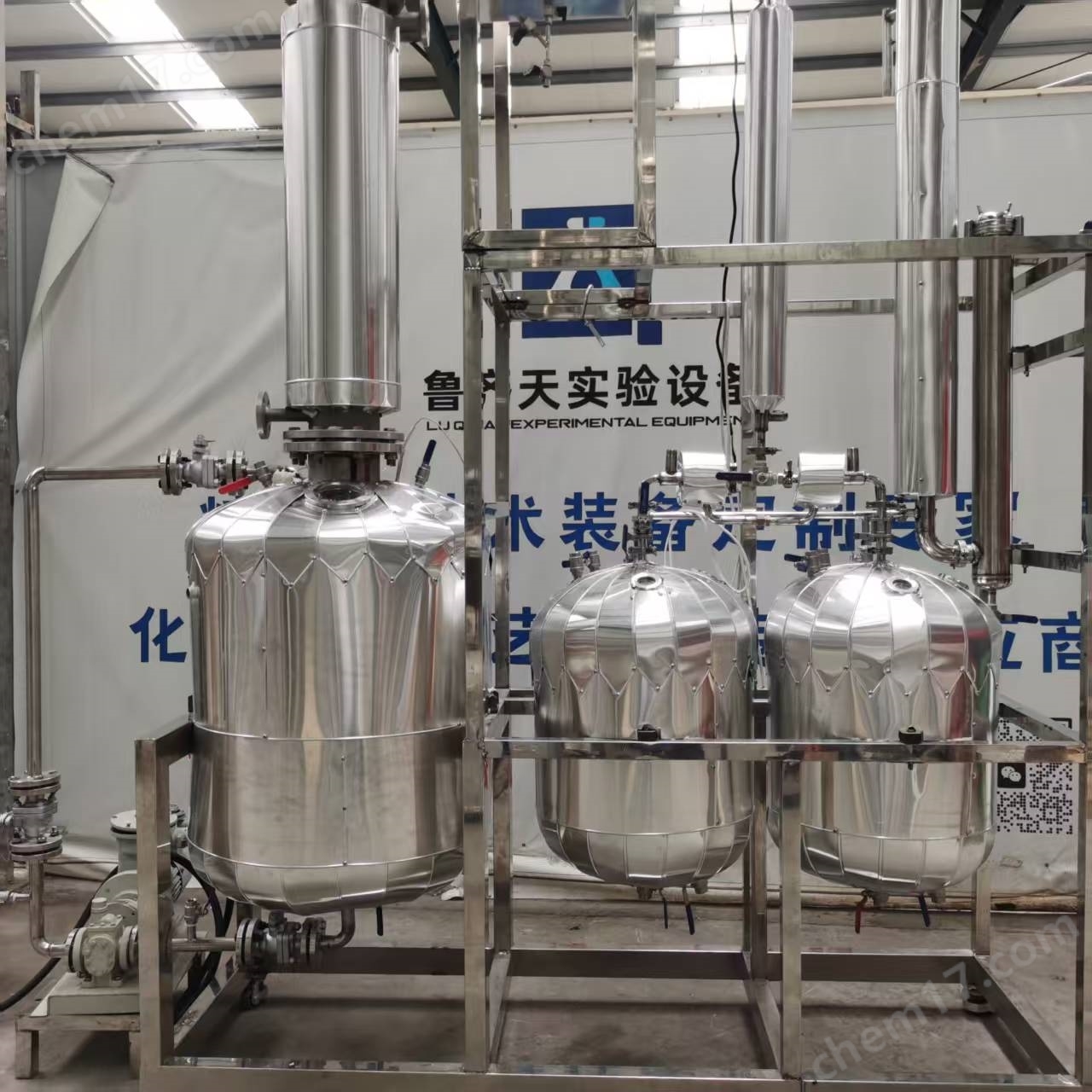
Enamel distillation equipment is a device that combines enamel anti-corrosion and distillation processes. Its core components are coated with enamel, resistant to acid, alkali, and organic solvents (excluding fluoride), with a clean surface. It is suitable for separating highly corrosive materials in fields such as medicine and fine chemicals. But the enamel layer is brittle and should avoid impact and sudden temperature changes.
Product Details
1、 Equipment structure and material characteristics
搪瓷精馏装置The core design lies in the deep integration of traditional distillation process and enamel anti-corrosion technology, and the material selection of its key components directly determines the performance of the equipment. The tower body, reboiler, condenser and other parts that come into direct contact with the material are all made of a composite structure with enamel layer attached to the surface of the metal substrate - the metal layer ensures the overall strength of the equipment, while the enamel layer (mainly composed of glassy glazes such as silicon dioxide and feldspar) is tightly bonded to the metal through high-temperature sintering (usually at 850 ℃ -950 ℃), forming a dense and smooth anti-corrosion barrier.
This structure allows the equipment to have both the pressure bearing capacity of metal (able to adapt to operating pressures below 0.6 MPa) and the chemical inertness of enamel. Compared to pure metal equipment, its surface roughness is extremely low (Ra ≤ 0.8 μ m), and the material adhesion rate is reduced by more than 60%, greatly reducing scaling and residue, especially suitable for handling high viscosity or easily crystallized corrosive materials.
2、 Core performance and applicable scenarios
In terms of performance,搪瓷精馏装置The corrosion resistance covers the vast majority of chemical media: it can stably tolerate sulfuric acid with a concentration below 98%, hydrochloric acid with a concentration below 30%, and common organic solvents such as ethanol and acetone. The working temperature range can be extended from -30 ℃ to 200 ℃, meeting the process requirements of intermittent or continuous distillation.
This characteristic enables it to play in multiple fieldseffectIn the pharmaceutical industry, it is used for the purification of antibiotic intermediates to avoid the decrease in product purity caused by metal ion contamination; In the field of fine chemicals, separating dye intermediates or fragrance components can prevent impurities from being generated by the reaction between materials and equipment; In environmental protection engineering, when treating industrial wastewater containing acid and alkali, it can not only achieve the recovery of organic solvents, but also resist the corrosion and erosion of waste liquids, extending the service life of equipment.
3、 Operating standards and maintenance points
Despite its excellent performance, the brittleness of the enamel layer remains a key concern in use. There are two risks to avoid during operation: one is mechanical impact, such as sudden increase in flow rate during feeding or tool collision during maintenance, which may cause local peeling of the enamel layer (i.e. "porcelain explosion"); The second is a sudden temperature change. When the wall temperature of the equipment changes by more than 120 ℃ within 10 minutes, the difference in thermal expansion between the metal and enamel will cause cracks.
In daily maintenance, it is necessary to regularly check whether there are pinholes or scratches on the enamel surface. An electric spark detector (voltage setting 500V-3000V) can be used for detection; Hard tools such as steel wire balls are prohibited during cleaning. It is recommended to use a high-pressure water gun combined with neutral detergent to ensure that the surface finish is not damaged.
4、 Differentiation advantages compared to similar devices
Compared to distillation equipment made of other materials,搪瓷精馏装置Presenting a balance: Its corrosion resistance is superior to 304 stainless steel (which can withstand concentrated nitric acid environments that stainless steel cannot cope with), its impact resistance is stronger than glass equipment (less prone to breakage due to slight vibrations), and its cost is lower than that of all titanium alloy equipment (only 1/3-1/2 of titanium equipment investment).
For processing materials with moderate corrosiveness and viscosity (such as pharmaceutical grade organic acids and pesticide intermediates), its comprehensive cost-effectiveness is significantly higher than other materials and equipment, which is also the core reason why it occupies an important position in the field of fine chemicals.