-
E-mail
499578158@qq.com
-
Phone
13931875196
-
Address
Building 5, Rongzhi Technology Park, No. 123 Yuyuan Road, Luquan District, Shijiazhuang City, Hebei Province
Product Categories
Hebei Ziyue Machinery Equipment Co., Ltd


Road dust accumulation and navigation monitoring
NegotiableUpdate on 02/09
- Model
- Nature of the Manufacturer
- Producers
- Product Category
- Place of Origin
Overview
The main components of the road dust accumulation and navigation monitoring system are: navigation monitoring vehicle: as a mobile platform, it is usually an SUV or small box truck. Particle monitoring device: a core sensor used for real-time measurement of particulate matter concentration in the air. Sampling system: including sampling head, suction pump, pipeline, etc., to ensure effective collection of particulate matter raised from the road surface.
Product Details
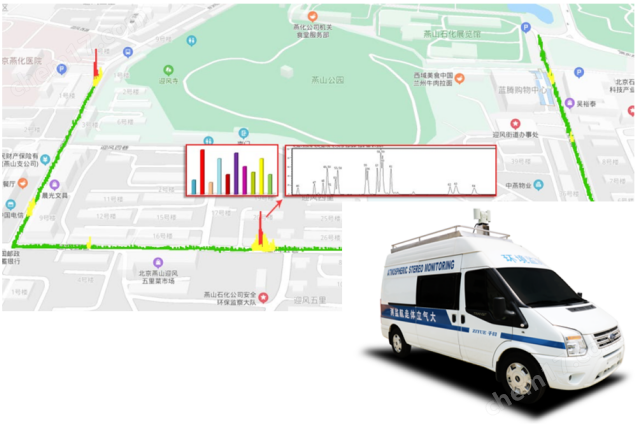
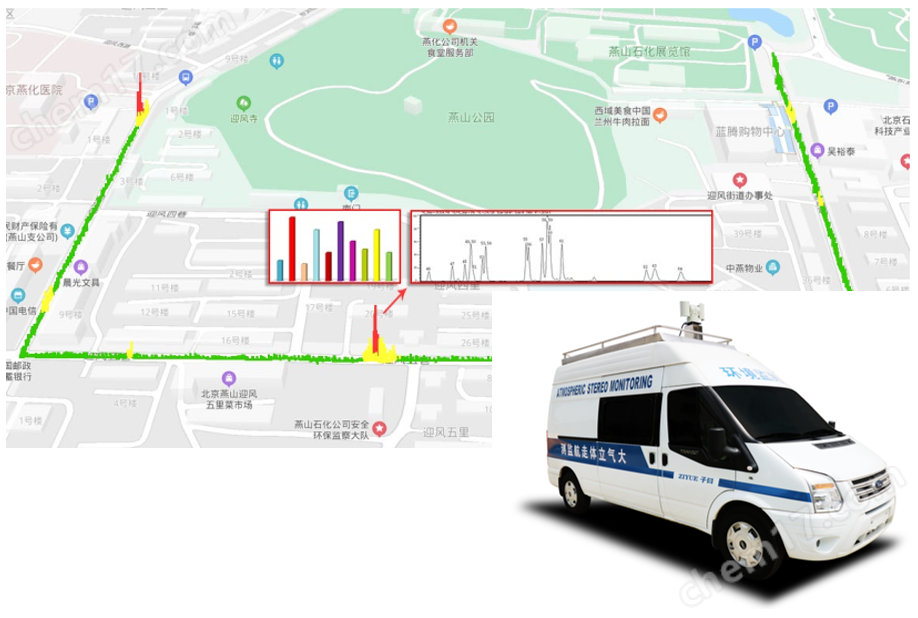
Road dust accumulation and navigation monitoring systemIt is an intelligent environmental monitoring technology system that utilizes mobile monitoring devices mounted on vehicles to dynamically, quickly, continuously, and densely monitor the dust load (i.e. road dust volume) on urban road surfaces. It breaks through the limitations of low efficiency and poor representativeness of traditional manual fixed-point sampling monitoring, and provides strong data support for fine control of urban road dust.
1、 Main components of the system
Navigation monitoring vehicle: As a mobile platform, it is usually an SUV or small box truck.
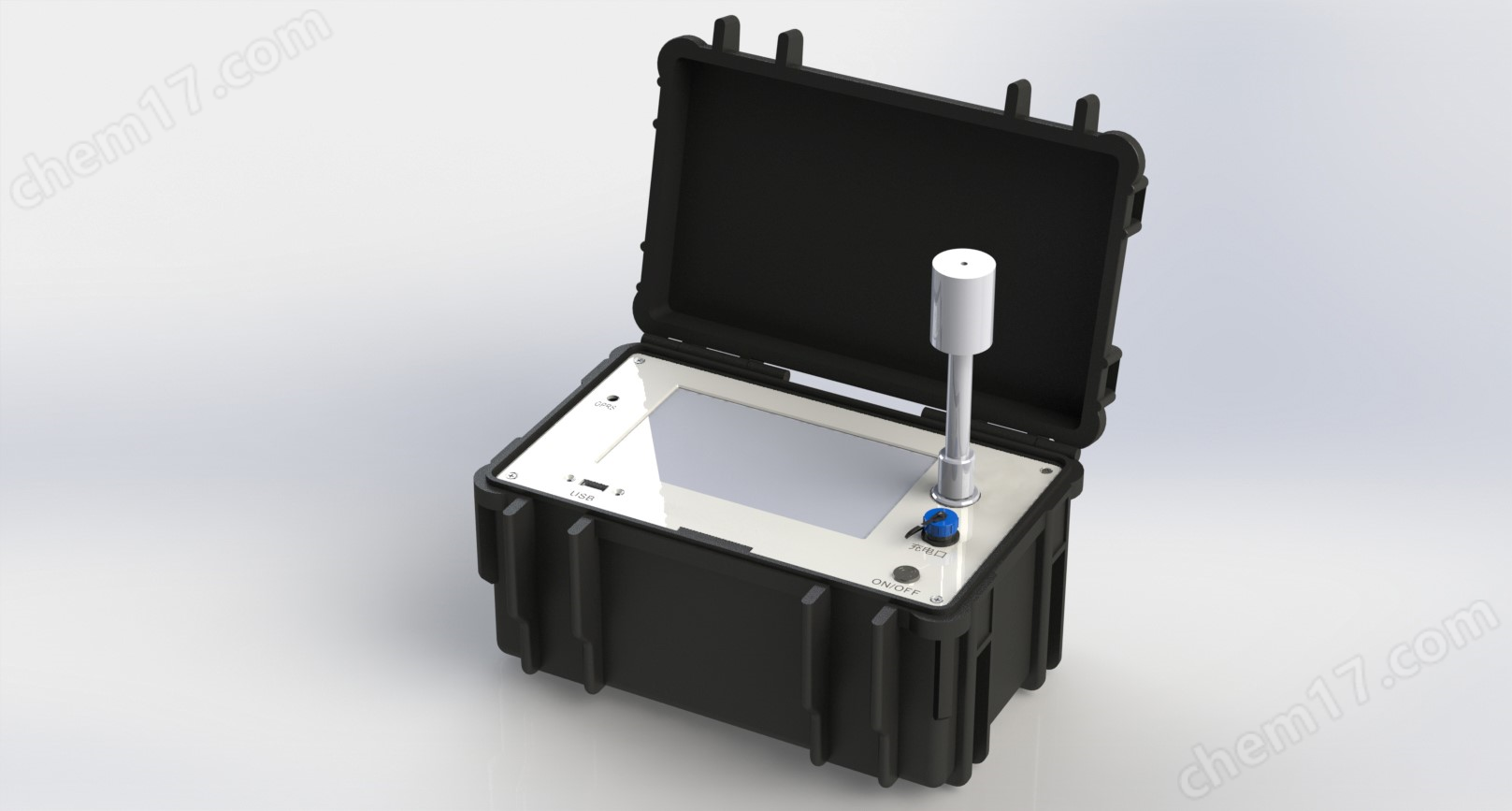
Particle monitoring device: a core sensor used for real-time measurement of particulate matter concentration in the air.
Sampling system: including sampling head, suction pump, pipeline, etc., to ensure effective collection of particulate matter raised from the road surface.
High precision positioning system: Accurately record the geographical location of monitoring data.
Data collection and transmission unit: Real time collection, processing, storage, and wireless transmission of monitoring data.
Power supply system: provides stable power for onboard equipment.
Backend management platform: Receive, store, analyze, and visualize monitoring data, generate reports, and support decision-making.
2、 Implementation plan
1. Monitoring project
The monitoring items include nitric oxide, nitrogen dioxide, non methane total hydrocarbons, benzene derivatives, black carbon, and traffic flow.
2. Monitoring points
Transportation points are divided into four categories: highway points, port points, airport points, and railway freight yard points. Point layout is carried out according to the pollution emissions, geographical environment, and management needs of various station monitoring objects.
① Highway point
The pollution sources monitored at highway points are mobile pollution sources, mainly located along the main roads and national highways in municipalities directly under the central government, provincial capitals, and key regional cities. When setting up points, consideration should be given to the operational status and temporal imbalance of traffic flow, meteorological conditions, and the impact of roadside building form and layout on pollution dispersion. The selection of monitoring stations should comprehensively consider factors such as city size, population density, and traffic flow.
② Port Point
Ports with a throughput greater than 10 million tons per year (commercial ports, fishing ports, industrial ports, sheltered ports, etc.) must establish port points located within the port operation area.
③ Airport Point
The airport point must be located within the airport management area and as close as possible to the downwind direction of the runway. All airports that undertake civilian flights must have an airport point.
④ Railway freight yard point
The pollution sources monitored at railway freight yards are the mobile pollution sources generated by the loading of vehicles in the freight yards. The monitoring points are located at major railway freight transfer hubs, circular railway freight hubs, port collection and distribution ports, logistics parks, large industrial and mining enterprise railway dedicated line freight yards, etc. The selection of monitoring stations should comprehensively consider factors such as the shape of the cargo yard, the location of the loading area, and the frequency of loading.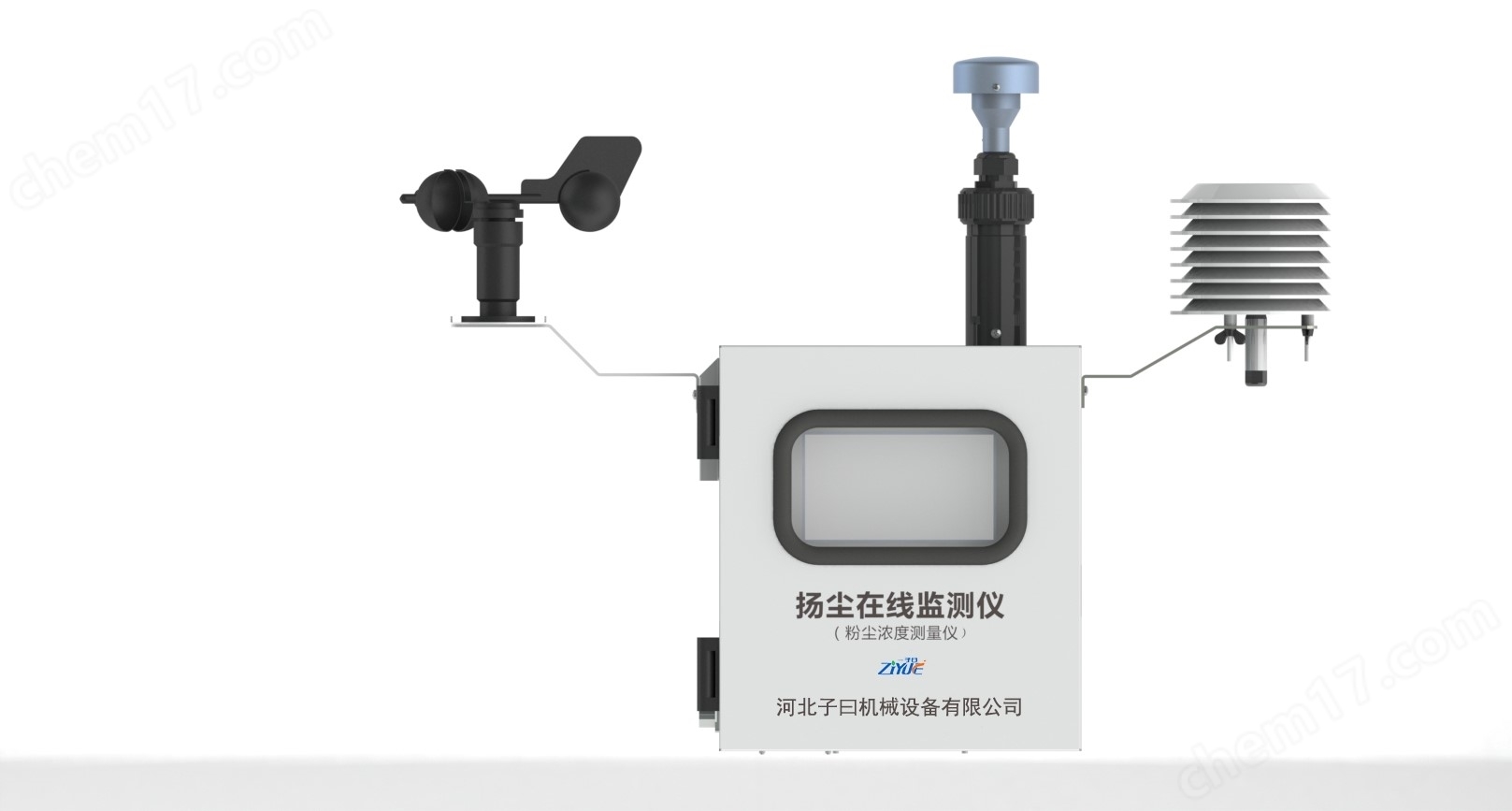
Similar Product Recommend