-
E-mail
jisong0988@163.com
-
Phone
13534231905
-
Address
Meilin Duoli Industrial Zone, Futian District, Shenzhen City, Guangdong Province
Product Categories
Shenzhen Tianchuangmei Technology Co., Ltd

Metal surface coating thickness gauge
NegotiableUpdate on 12/24
- Model
- Nature of the Manufacturer
- Producers
- Product Category
- Place of Origin
Overview
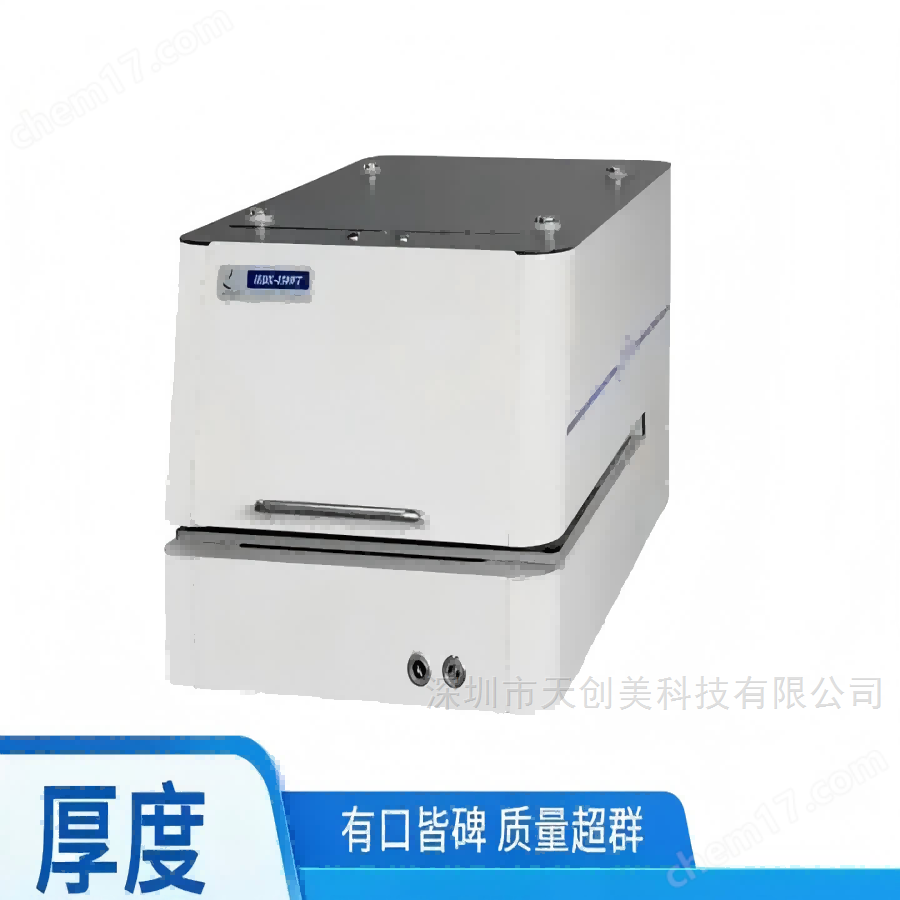
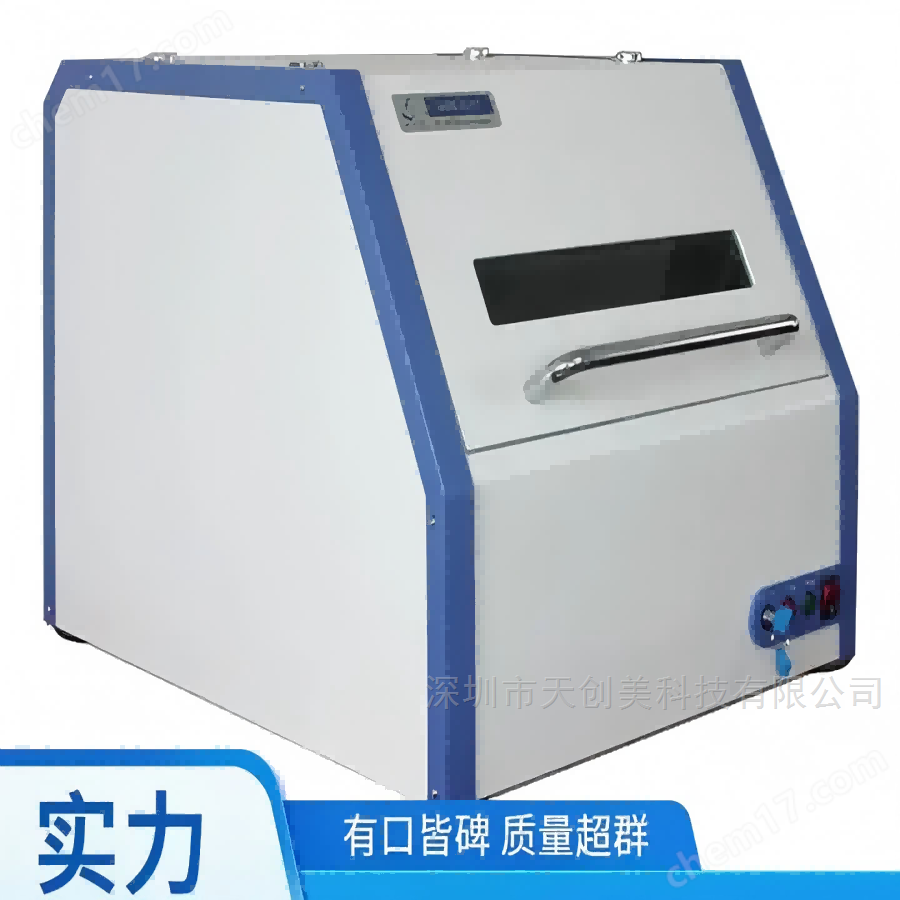
Metal surface coating thickness gauge $r $n $r $n Metal surface electroplating coating thickness gauge is a precision testing equipment designed to measure the thickness of electroplating, coating and other covering layers on metal substrates. It adopts non-destructive testing techniques such as magnetic method, eddy current method, or X-ray fluorescence spectroscopy, which can quickly and accurately obtain coating thickness data, suitable for industries such as automotive, electronics, and hardware. The equipment is easy to operate, has a wide measurement range, high accuracy, and can effectively monitor the quality of electroplating processes to ensure that products meet standard requirements.
Product Details
Metal surface coating thickness gauge
Metal surface electroplating thickness gauge: precise measurement to ensure quality
The metal surface electroplating coating thickness gauge is a precision detection equipment specialized in accurately measuring the thickness of electroplating coatings, coatings, and other covering layers on metal substrates. It plays a significant role in many industrial fieldsgoodThe function.
This thickness gauge utilizes various non-destructive testing techniques. The magnetic method is suitable for measuring non-magnetic coatings on ferromagnetic metal substrates, such as zinc, copper, nickel coatings on steel, etc. The coating thickness can be calculated by measuring the change in magnetic resistance in the magnetic circuit; The eddy current method is used for measuring conductive coatings on non-magnetic metal substrates, such as anodized films and paint layers on aluminum, copper, and other substrates. By utilizing the principle of electromagnetic induction, the thickness of the coating is determined based on changes in eddy currents; X-ray fluorescence spectroscopy is capable of high-precision measurement of various metal coatings, and thickness can be calculated by analyzing the characteristic X-ray intensity generated by the excitation of coating elements.
It has many significant advantages. measurement accuracytallIt can reach the micrometer level and accurately capture subtle changes in coating thickness, providing reliable data for product quality control. Easy to operate, the instrument is usually equipped with an intuitive display screen and a simple operating interface, even non professionals can quickly get started. Fast measurement speed, able to complete multiple measurements in a short period of time and provide an average value, greatly improving detection efficiency.
In terms of application fields, it is widely used in the automotive manufacturing industry to detect the coating thickness of automotive parts, ensuring their corrosion resistance and wear resistance; The electronics industry has strict requirements for the coating thickness of precision electronic components, and this thickness gauge can ensure stable component performance; The hardware industry also relies on it to monitor electroplating processes, improve product appearance and quality.
The thickness gauge for electroplating coatings on metal surfaces, with its advanced technologygoodThe performance and wide range of applications have become important tools for ensuring the quality of metal products, helping various industries achieve high-quality production.
Here isThe products sold by Shenzhen Tianchuangmei Technology Co., LtdX-ray fluorescence spectrometer is an instrument used to test electroplated coatingsdetailed introduction:
Coating detection:
Common metal coatings include:
|
coating
matrix |
Ni |
Ni-P |
Ti |
Cu |
Sn |
Sn-Pb |
Zn |
Cr |
Au |
Zn-Ni |
Ag |
Pd |
Rh |
Al |
● |
● |
● |
● |
● |
● |
● |
● |
● |
● |
● |
● |
● |
Cu |
● |
● |
● |
● |
● |
● |
● |
● |
● |
● |
● |
● |
|
Zn |
● |
● |
● |
● |
● |
● |
● |
● |
● |
● |
● |
● |
|
Fe |
● |
● |
● |
● |
● |
● |
● |
● |
● |
● |
● |
● |
● |
SUS |
● |
● |
● |
● |
● |
● |
● |
● |
● |
● |
● |
● |
● |
Single layer thickness range:
Gold coating 0-8um,
Chromium coating 0-15um,
The rest is generally within 0-30um,
The minimum measurement can reach 0.001um.
Multi layer thickness range:
Au/Ni/Cu: Au analysis thickness: 0-8um Ni analysis thickness: 0-30um
Sn/Ni/Cu: Sn analysis thickness: 0-30um Ni analysis thickness: 0-30um
Cr/Ni/Fe: Cr analysis thickness 0-15um Ni analysis thickness: 0-30um
The number of coating layers is 1-6
The relative difference in coating accuracy is generally less than 5%.
Composition content of coating: Sn Pb alloy composition analysis; Composition analysis of Zn Ni alloy.
Advantages of Coating Analysis: The minimum size of PCB gold fingers can reach 0.2mm
Single layer analysis accuracy, taking Ni as an example: (relative difference)
NiLayer thickness(um) |
Ensure accuracy |
<1.0um |
<5% |
1.0-5.0um |
<3% |
5.0-10um |
<3% |
10-20um |
<3% |
>20.0um |
<3% |
Elemental composition analysis:
Analysis of plating solution: Currently, common plating solution element analysis includes gold, silver, tin, copper, nickel, chromium, and zinc.
ROHS and halogen-free detection, high-performance SDD detector can detect halogen-free, achieving multi-purpose coating and environmental protection.
Metal composition analysis can detect the content of other elements in metals while detecting ROHS.
Detection accuracy:
Heavy metals such as Cr, Cd, Hg, Cu, Zn, Fe, Ni, Pb, Mn, W, Au, Ag, Sn, etc
The detection limit is up to 1ppm.
The instrument has met the following standards for stable reading allowable differences in the analysis of these metal tests:
A. Stable testing for elements with a detection content greater than 5%, with a relative reading difference of less than 1%
B. Stable testing of elements with a detection content of 0.5-5%, with a relative reading difference of less than 2%
C. The stable test reading of elements with a detection content of 0.1-0.5% has a relative difference of less than 5%
D. Detect elements with a content below 0.1% and read relative difference with a change rate of less than 10%
Measurement accuracy:
1) Accuracy (single-layer):
Testing accuracy table of thickness gauge
NiLayer thickness(um) |
precision |
<1.0um |
<5% |
1.0-5.0um |
<3% |
5.0-10um |
<3% |
10-20um |
<3% |
>20.0um |
<3% |
Testing method: Under the same operating conditions, perform 5 tests on the same standard template, and compare the average data detected with the actual data of the standard template. The detection accuracy is the difference (average error) between the average detection value and the actual value of the standard sample
2) Two or more floors:
The accuracy of the first layer with two or more layers meets the test results of a single layer, but the second layer and above are more complex and need to be determined based on the thickness of the previous layer. When the thickness of the first layer is less than 2um, the testing accuracy of the first and second layers is basically consistent with that of a single layer. Referring to the following test report, the thickness of the gold standard sample for the first layer is 0.101um, and the thickness of the nickel standard sample for the second layer is 4.52um.
in When the thickness of a layer is between 2-5um, it will greatly reduce the testing accuracy of the second and third layers. The error rate of the second layer will be between 5-10%, and the error rate of the third layer will be less than 15%.
Repeatability:
Ensure repeatability value:≤±5%
Repetitive testing should be conducted after instrument calibration: under the same operating conditions, the same testing template should be used for continuous repeated testing. Continuous measurements must be taken at the same testing point using the same sample piece with an interval of 60 seconds. A total of 10 measurements should be taken, and each measurement value should be compared with the average of the 10 measurements.
Repeatability=Average Error ÷ Average Value × 100* %.
Report printing:
Can output reports in PDF and Excel formats, making historical data queries convenient
Safe use, maintenance and upkeep
Due to the high precision of the instrument, please do not open the instrument casing or make any changes to the X-ray source and detector without permission. Our company will not be responsible for any damage to the instrument caused by the user's own reasons.
The installation of the instrument must be smooth, and the distance between the back of the instrument and the wall must not be less than 30 centimeters. Standard 220V AC power must be used, and a stable voltage power supply must be equipped in case of unstable voltage. The socket must be well grounded, and any losses caused by the user's power supply not meeting the requirements shall be borne by the user.
Please do not touch the power supply with wet hands, and do not touch the instrument casing with wet hands to avoid electric shock.
When measuring, do not attempt to open or touch the lid while the instrument is running due to high voltage flowing to the X-ray source. Due to the high voltage source having to be terminated through automatic operation or following user guidelines.
Instrument environment requirements: The instrument should be used in a clean environment with a suitable temperature of 15 ℃~30 ℃ and humidity≤80%, power supply: AC: 220V ± 5V.
The above details may lead to unpredictable consequences, and the buyer should generally comply with them.
Metal surface coating thickness gauge
Similar Product Recommend