-
E-mail
jisong0988@163.com
-
Phone
13534231905
-
Address
Meilin Duoli Industrial Zone, Futian District, Shenzhen City, Guangdong Province
Product Categories
Shenzhen Tianchuangmei Technology Co., Ltd

Chemical element content detector for biofuel oil
NegotiableUpdate on 12/24
- Model
- Nature of the Manufacturer
- Producers
- Product Category
- Place of Origin
Overview
The chemical element content detector for biofuel oil is a professional analytical equipment that uses spectroscopic or chromatographic techniques to quickly and accurately determine the content of key elements such as carbon, hydrogen, oxygen, and sulfur in biofuel oil. The equipment is easy to operate, highly automated, and the detection results are accurate and reliable. It provides important data support for the production, research and development, and quality control of biofuel oil, and helps promote the green and sustainable development of the energy industry.
Product Details
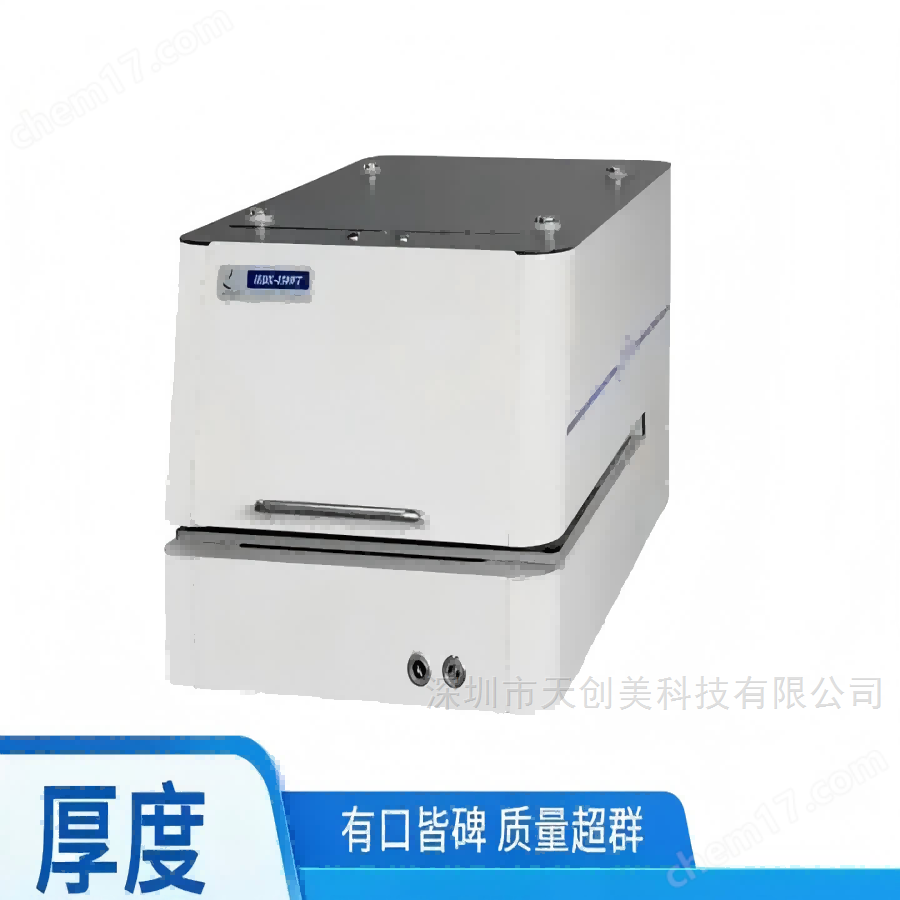
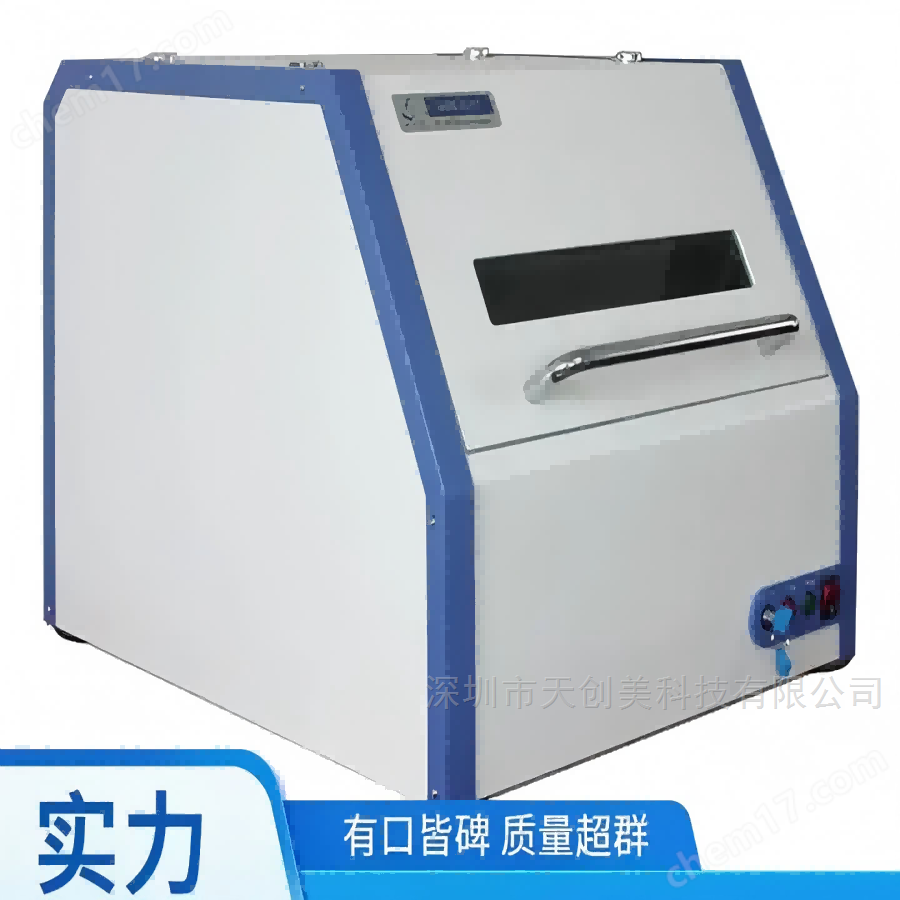
Chemical element content detector for biofuel oil
Element content detector in biofuel oil: precise analysis of energy "code"
In the current booming development of biofuel oil, accurately mastering its elemental composition content is crucial for quality control, process optimization, and environmental assessment. The elemental composition detector in biofuel oil plays an irreplaceable role as a key analytical equipment.
*Detection technology ensures precise analysis
This detector integrates multiple analytical techniques, such as X-ray fluorescence spectroscopy (XRF) and inductively coupled plasma emission spectroscopy (ICP-OES). XRF technology is based on the principle of emitting characteristic X-rays when elements are excited, which can quickly and non destructively detect multiple elements in biofuel oil without the need for complex sample pretreatment, greatly improving detection efficiency. And ICP-OES technology hasgoodThe sensitivity and accuracy of this method enable precise determination of trace elements in biofuel oil, with detection limits as low as ppm or even ppb, providing strong support for a comprehensive understanding of the elemental composition of biofuel oil.
Comprehensively detect elements to meet diverse needs
Biofuel oil has a wide range of sources and its elemental composition is complex and diverse. This detector can detect the main elements such as carbon, hydrogen, oxygen, nitrogen, and sulfur in biofuel oil. The content of these elements directly affects the combustion performance, calorific value, and pollutant emissions of biofuel oil. At the same time, for some possible heavy metal elements such as lead, mercury, cadmium, etc., accurate detection can also be carried out to effectively evaluate the environmental indicators of biofuel oil and ensure its compliance with relevant standards and regulatory requirements.
Intelligent operation design, convenient and efficient use
The device adopts an intelligent operating interface, and operators only need to undergo simple training to easily get started. The entire process from sample placement to detection result output has been automated, reducing human error and improving the repeatability and reliability of detection. In addition, the detector also has data storage and management functions, which can organize and analyze a large amount of detection data, providing strong data support for the production management and quality control of enterprises.
The elemental content detector for biofuel oil has become a leading player in the biofuel oil industry due to its advanced detection technology, comprehensive detection capabilities, and intelligent operation designgoodThe analysis tool provides solid technical support for promoting the sustainable development of biofuel oil.
The following is an inductively coupled plasma emission spectrometer sold by Shenzhen Tianchuangmei Technology Co., Ltd(ICP) Detailed Introduction:
The full spectrum direct reading inductively coupled plasma emission spectrometer is a high-performance full spectrum direct reading spectrometerICPSpectrometers are used to determine the content of constant, trace, and trace elements in different substances. They can be used for qualitative, semi quantitative, and quantitative analysis of elements in samples, with a detection limit of up to one billionth. At present, instruments are widely used in various fields such as environmental protection, food safety, geology and mineral resources, metallurgy, non-ferrous metals, rare earths, chemical engineering, clinical medicine, petroleum products, semiconductors, and agricultural research.
Instrument performance characteristics:
Safe and reliable solid-state RF power supply
The RF power supply used in the instrument has small size, high output efficiency, stable output power, and various safety protection functions such as water, gas, and overload, greatly improving the safety of the instrument and reducing its failure rate.
High degree of instrument automation
The degree of automation of the instrumentgoodExcept for the power switch, all operations are completed by software. Intelligent software that can provide real-time feedback and information prompts for various operations.
Fully automatic ignition and matching technology
The software can automatically ignite with one click, and all parameter settings changes are automatically completed. Combined with *'s automatic matching technology, the ignition success rate is high and the operation is simple.
Intelligent flame monitoring function
The instrument is configured with sensitivitygoodThe fiber optic sensor can monitor the working condition of the flame in real-time while the instrument is in operation. In case of abnormal flameout, the instrument can automatically shut down.
Separate injection system
The split design of the fog chamber and torch tube reduces the impact of temperature changes in the combustion chamber on atomization efficiency, allowing for more intuitive observation of real-time injection status. Combined with the technology of an extended fog chamber, effective gas-liquid separation is achieved with less interference from water vapor.
Qualitative analysis software
A new software algorithm can be used for qualitative analysis of unknown samples without the need for standard samples, directly analyzing the types of elements in the unknown samples, and then conducting targeted quantitative analysis, greatly improving the efficiency of analysis.
High precision airflow control system
High precision mass flow controllers are used for plasma gas, auxiliary gas, and carrier gas in instrument operation(MFC)To control, it has continuously adjustable flow rate and high accuracy in outputting airflow, ensuring the accuracy of test data.
Peristaltic pump injection device
The peristaltic pump is designed with twelve rotors and four channels for fully automatic operation, and the rotational speed of the peristaltic pump can be adjusted according to the required flow rate; Can meet the special usage requirements of customers for online sample dilution and online addition of internal standards.
Testing speed beyond imagination
20sThe testing speed can be set to an appropriate integration time for measurement; It is possible to read out the integrated intensity values of all analyzed spectral lines in one exposure; Realize a single sample within one minute70Measurement of elements.
Research grade large formatCIDdetector
Adopting the same type of American original Thermo Fisher ScientificCIDDetector, pixel;165-900nmFull coverage of wavelength range, one exposure, and simultaneous detection of all elements.
Convenient wavelength calibration function
The intelligent automatic wavelength calibration algorithm does not require additional wavelength calibration solution. After startup, the software automatically performs wavelength calibration, greatly saving time and cost in wavelength calibration.
Precise spectroscopic system
By using a mid step grating combined with prism cross dispersion spectroscopy, precise optical design can achieve maximum luminous flux and excellent spectral resolution; No moving optical components, ensuring good repeatability and long-term stability; Combination of ultra-low stray light devicesgoodThe optical design greatly reduces the interference of background light and further lowers the detection limit of the instrument.
ICP-OES/AESInstrument advantages
1.Multiple testing elements, measurable70Other elements.
2.Multi element simultaneous testing, testing all elements simultaneously in one injection.
3.Fast analysis speed, measuring one sample per minute.
4.Low detection limit, the vast majority of elements can reachppbGrade.
5.Wide linear range, achievable5-6It can achieve simultaneous testing of high and low content without the need to change the standard curve.
6.Less chemical interference, better test results.
Technical Specifications
Technical specifications of RF generator
Output power:700-1500W
Technical specifications of injection device
Efficient imported atomizer: multiple models to choose from, high salt, and durableHFwait
Atomization chamber: Double cylinder atomization chamber, optional swirl atomization chamber.
Peristaltic pump: four channels and twelve rollers, the speed can be adjusted according to the required flow rate setting
Total argon consumption: The total consumption of argon is less than14L/min
Technical specifications of spectrometer
Grating: Medium step grating
Wavelength range:165nm-900nm
Resolution:< 0.007nm@200nm
Scattered light:10000ppmCaThe solution isAs189.042nmEquivalent background concentration at [location]<2ppm
Light room: distributed precision constant temperature,35±0.1℃
Technical specifications of detection device
Detector type:CID
Instrument technical specifications
Observation method: Vertical observation
Repeatability:RSD<0.5%
Stability:RSD<1% @2hour
Test speed: single spectral lineCIDReading time only requires2ms,20sAll elements can be measured internally
Element detection limit(μg/L): Most elements1ppb-10ppb
Chemical element content detector for biofuel oil
Similar Product Recommend