-
E-mail
nantongjingyu@163.com
-
Phone
13615234000
-
Address
No. 3 Xinghe Road, Bayi Industrial Park, Gangzha District, Nantong City, Jiangsu Province
Product Categories
Nantong Jingyu Machinery Co., Ltd
Laser processing center
NegotiableUpdate on 05/18
- Model
- Nature of the Manufacturer
- Producers
- Product Category
- Place of Origin
Overview
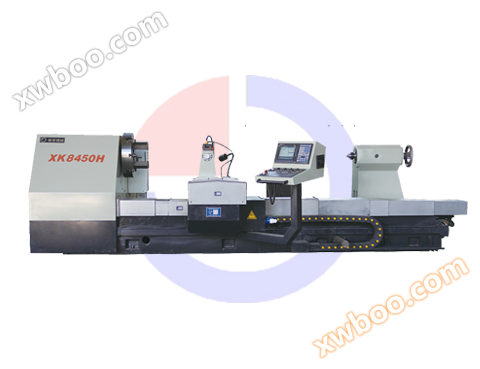
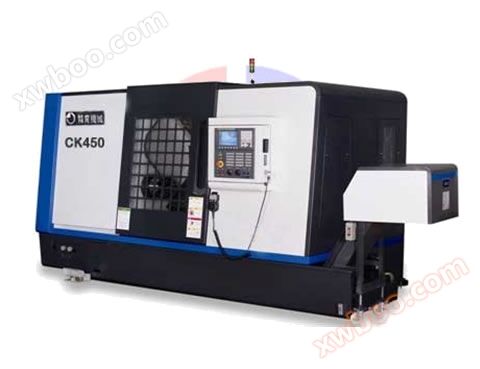
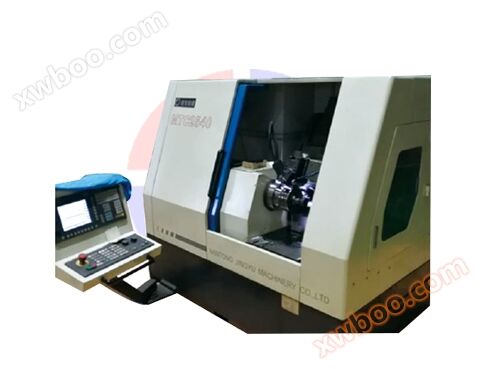
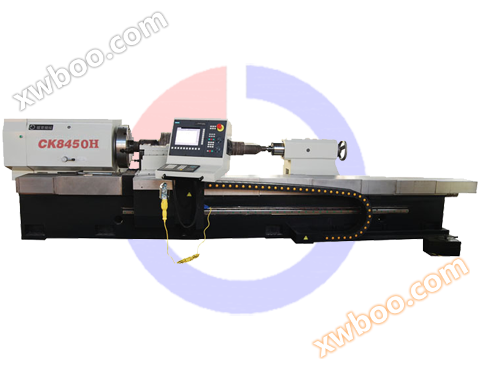
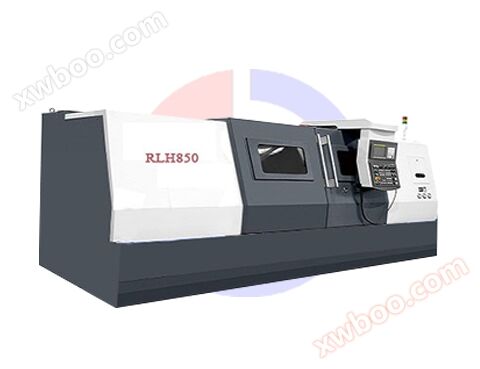
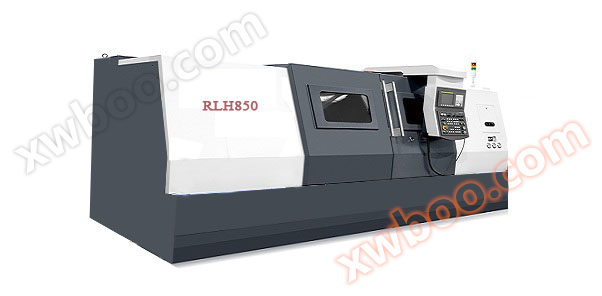
Laser machining center is a fully functional CNC cladding machine developed by the company based on the latest development trend of CNC laser heat treatment technology in the market, with semi closed loop control function. Using a German laser, this machine tool has a wide range of applications and flexible operation, suitable for cladding processing of various complex shaped shafts, sleeves, and disk parts, such as outer cylindrical surfaces, conical surfaces, circular arc surfaces, etc. It is particularly suitable for multi variety, small to medium batch wheel processing, with strong process adaptability, high processing efficiency, good product consistency, and can reduce the requirement for workers' technical proficiency. Easy to program and operate, it is an ideal medium-sized CNC laser processing equipment. The laser processing center system includes a laser, a light guide system, a processing machine, a control system, and a detection system.
Product Details
Product features:
1. This system uses a semiconductor laser as the light source and an optical fiber as the external optical path transmission system. The achievable laser processing techniques include laser quenching and laser cladding, which meet the production needs of laser processing.2. The equipment consists of a LASERLINE semiconductor fiber coupled laser (3KW laser, 1 20 meter fiber) imported from Germany, an optical working head, a dual temperature and dual control water cooling machine, a robot arm, a working platform, and a laser processing control system.
3. Remote service module: It can diagnose, upgrade, and change modes through the remote network module.
4. The central control system integrates relevant information of the machine tool and laser, which can control the start and stop of the machine tool, control the start and stop of the laser, set the power of the laser and display the actual power of the laser in real time, and control the start and stop of the powder feeder. Highly integrated system. After the machining program of the machine tool is written, the laser power can be set on the central control system to complete the machining with one click.
5. High quality "laser processed lens, made of aluminum dust proof, sturdy and durable, suitable for laser processing technology below 15kW. Lens diameter 50.8 mm. Lens outer diameter 70 mm.
6. The double tube negative pressure powder feeder adopts a carrier gas powder feeding structure, which can achieve long-distance powder conveying. It is an auxiliary equipment for implementing laser processing, which can achieve synchronous powder feeding of laser processing and meet the requirements of three-dimensional laser cladding and laser rapid prototyping processes.
7. The four axis machine tool selected for this system is produced by our company with high precision and sensitivity, including the machine tool body, machine tool control cabinet, control system, power supply cable, and stabilized power supply. The protection adopts a fully enclosed structure, which is both safe and practical, as well as novel and beautiful.
8. Equipped with Siemens 828D CNC system, automatic programming, and automatic motion control for different trajectories. It can enable the laser head to perform functions such as quenching and alloying on different moving surfaces.
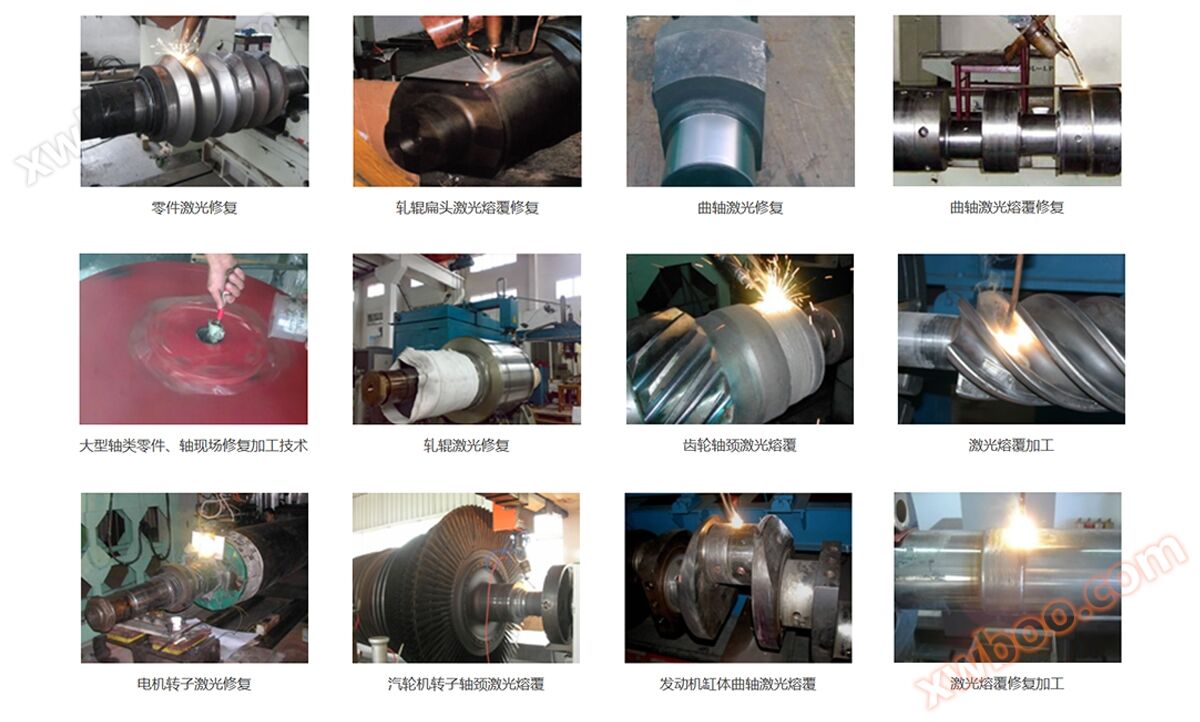
Laser processing centers can also adjust different application functions according to actual situations, such as laser marking, laser drilling, laser cutting machines, laser cutting, and so on. The main application projects of rolling mill include:
Laser Cladding, also known as laser cladding or laser cladding, refers to a process in which selected alloy powders are placed on the surface of a coated substrate using different filler methods. After laser irradiation, they melt together with a thin layer of the substrate surface and rapidly solidify to form a surface coating with extremely low dilution and metallurgical bonding with the substrate material. This significantly improves the wear resistance, corrosion resistance, heat resistance, oxidation resistance, and electrical properties of the substrate material surface. After laser cladding, the hardness of the cladding layer can be flexibly selected between HRC15-60, with a cladding thickness of 0.1-10.0mm. Non metallic powders such as tungsten carbide and ceramic powder can also be deposited. It can significantly improve the surface hardness, wear resistance, corrosion resistance, fatigue resistance and other mechanical properties of parts, greatly extending the service life of materials. At the same time, it can also be used for the treatment of scrap parts, saving a lot of processing costs.
Laser quenching, also known as laser heat treatment, laser hardening, or laser surface modification. Laser quenching has a short action time, does not require overall heating, can perform local hardening, and has uniform hardness. After treatment, the workpiece does not deform or damage the surface smoothness. The microstructure after laser quenching is fine, improving wear resistance and effectively solving problems that traditional heat treatment cannot solve. Customer experience has shown that using laser quenching technology can effectively optimize manufacturing processes, improve product quality and added value, and reduce costs.
Laser texturing technology uses high-energy, high repetition rate pulsed laser beams that are focused and negatively defocused onto the surface of the rolling mill for preheating and strengthening. At the focused point, a small molten pool is formed on the surface of the rolling mill, and an auxiliary gas with a set pressure and flow rate is applied to the small molten pool by a side blowing device, so that the molten material in the molten pool accumulates as much as possible to the edge of the molten pool to form a circular arc convex platform (peak number) according to specified requirements.
Technical parameters:
|
model |
Maximum workpiece diameter |
length |
Machine tool load-bearing capacity |
cut method |
Spindle taper hole |
Spindle power and control mode |
Spindle speed |
|
RLH850 |
Φ850mm |
3500mm |
8T |
laser processing |
C2-11 |
7KW |
Infinite speed regulation 0.05~200 |
|
model |
Tail seat spindle taper |
Fast feed rate |
accuracy |
center height |
overall dimension |
weight |
control system |
|
RLH850 |
MS6# |
3000MM/MIN |
0.001mm |
650mm |
6850×1800×2000mm |
7.5T |
Siemens |