-
E-mail
499578158@qq.com
-
Phone
13931875196
-
Address
Building 5, Rongzhi Technology Park, No. 123 Yuyuan Road, Luquan District, Shijiazhuang City, Hebei Province
Product Categories
Hebei Ziyue Machinery Equipment Co., Ltd
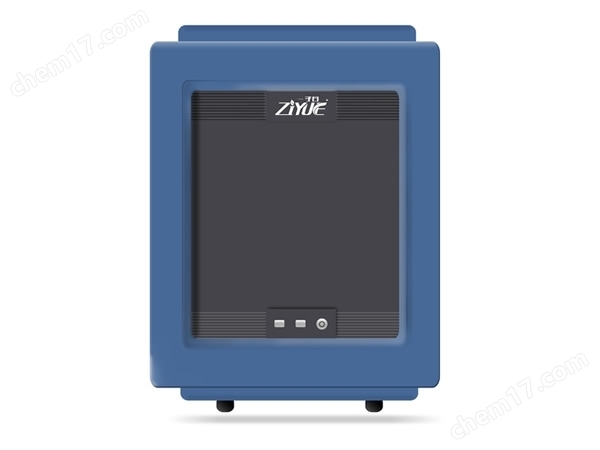
Gas chromatograph equipment
NegotiableUpdate on 02/09
- Model
- Nature of the Manufacturer
- Producers
- Product Category
- Place of Origin
Overview
Gas chromatograph equipment injection system: The sample is quickly injected into the high-temperature vaporization chamber through the injection port (such as split/non split injection port), and instantly vaporized into a gas state. Modern injection methods include manual injection, automatic injector (which can achieve high-throughput and unmanned analysis), as well as special injection techniques such as headspace injection and thermal desorption, to adapt to different forms of samples (liquid, gas, solid).
Product Details
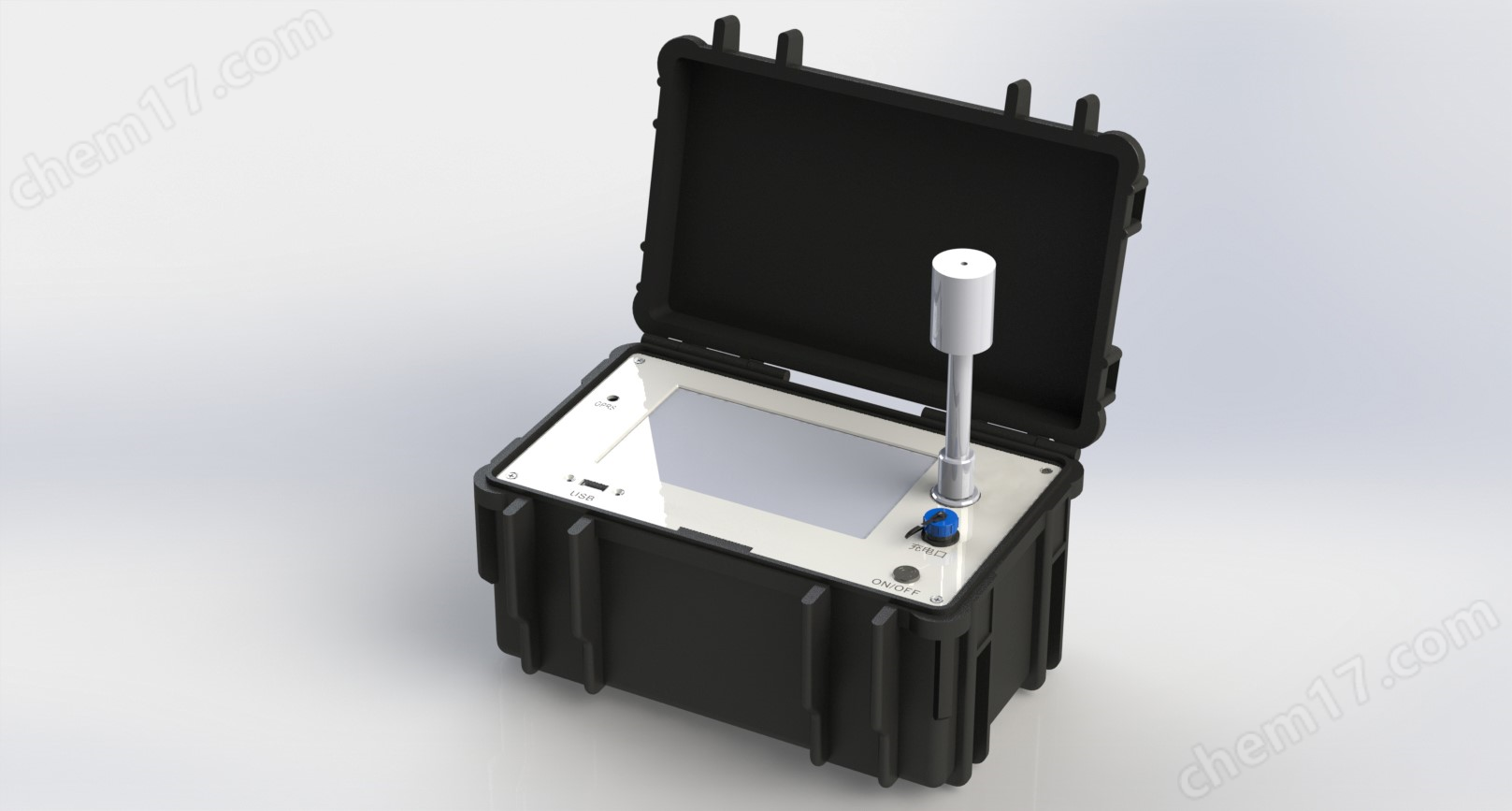
The Confucius portable VOCs gas chromatography-mass spectrometry (GC-MS) instrument integrates automatic sampling, enrichment, analysis, chromatographic separation, mass spectrometry detection, and data processing, using a new high suction static ion vacuum pump. The equipment has the advantages of being earthquake resistant and not afraid of bumps, maintaining vacuum when powered off, automatically tuning when turned on, and autonomously operating with preset methods. To ensure that the instrument is not affected by external interference, accurate monitoring and early warning, real-time remote transmission and other functions.
Gas chromatograph equipmentGas Chromatography (GC) is a precision analytical instrument widely used in fields such as chemistry, biology, environment, food, and energy.
1、 Working principle
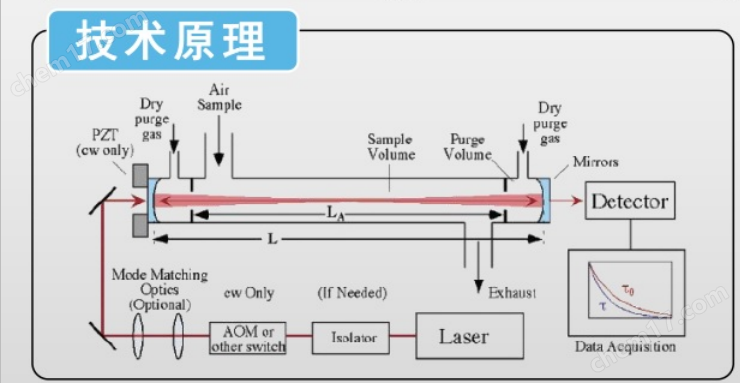
Gas chromatograph equipmentThe core working principle of separation is to utilize the differential distribution behavior of different substances between the stationary phase and the mobile phase.
Carrier gas system (mobile phase): High purity inert gases (such as nitrogen, helium, or hydrogen) are used as carrier gases to carry samples into the chromatography system. The flow rate and pressure of the carrier gas are precisely regulated by a pressure regulator valve and a flow controller to ensure the stability and reproducibility of the analysis process.
Sample injection system: The sample is rapidly injected into the high-temperature vaporization chamber through an injection port (such as a split/non split injection port), and instantly vaporized into a gas state. Modern injection methods include manual injection, automatic injector (which can achieve high-throughput and unmanned analysis), as well as special injection techniques such as headspace injection and thermal desorption, to adapt to different forms of samples (liquid, gas, solid).
Chromatography column (stationary phase): The vaporized sample enters the chromatography column with the carrier gas. The chromatographic column is the core of separation, usually a slender capillary column or packed column, with a specific stationary phase coated or packed on the inner wall. Different components move at different speeds in the column due to their varying solubility or adsorption capacity in the stationary phase, thus achieving separation.
Thermostatic box (column temperature box): The chromatographic column is placed in a constant temperature box, and the temperature can be precisely controlled. By program heating (from low temperature to high temperature), separation efficiency can be optimized, analysis time can be shortened, and it is particularly suitable for complex samples with a wide boiling point range.
Detector: The separated components enter the detector in sequence, generating corresponding electrical signals. Common detectors include:
Flame ionization detector (FID): It has high sensitivity and good stability for most organic compounds, and is a widely used detector.
Thermal conductivity detector (TCD): a universal detector suitable for inorganic gases and organic compounds, but with relatively low sensitivity.
Electron Capture Detector (ECD): Highly sensitive to compounds with strong electronegativity such as halogens and nitro groups, commonly used for pesticide residue and environmental pollutant analysis.
2、 Main features and advantages
High separation efficiency: capable of separating complex mixtures with similar boiling points and chemical properties.
High sensitivity: It can detect trace components at the ppm (parts per million) or even ppb (parts per billion) level.
Fast analysis speed: A single analysis is usually completed within a few minutes to several tens of minutes.
Accurate qualitative and quantitative analysis: By combining standard samples and databases, precise qualitative and quantitative analysis can be achieved.
Wide application range: suitable for gas, liquid, and vaporized solid samples.
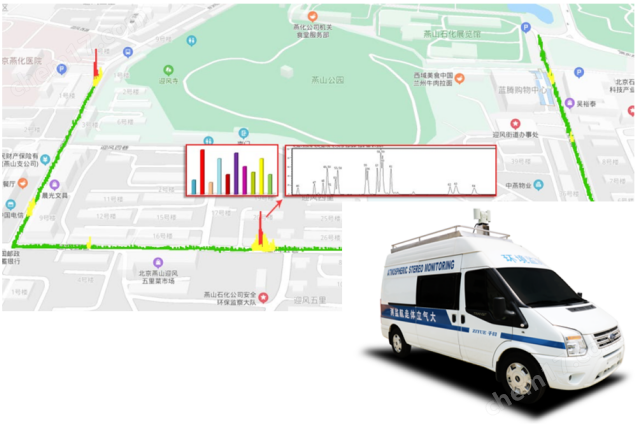
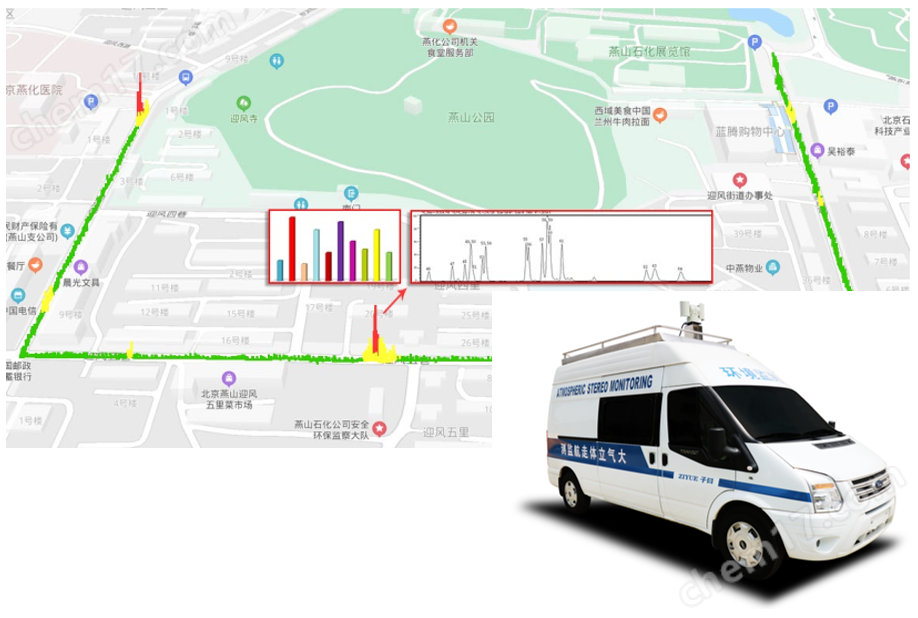
1. The portable VOCs gas chromatography-mass spectrometry (GC-MS) instrument integrates rapid mass spectrometry survey analysis and GSMS comprehensive analysis to achieve rapid and accurate identification of pollution sources and analysis of pollution ranges. It is suitable for multiple scenarios such as emergency response, navigation, and fixed-point monitoring
2. Variable sampling volume, capable of analyzing samples ranging from PPT to ppm concentration range, fast and efficient chromatographic analysis module, programmable heating, and can complete mixed sample separation in ten minutes
3. Mass spectrometry direct injection mode - rapid qualitative analysis, traceability, suitable for navigation applications
4. National standard methods, there are laws to follow
5. Vacuum retention technology, ready to use
6. Qualitative accuracy of quadrupole mass spectrometry, matching with NIST spectral library
7. Integrated design, built-in consumables, more portable.
Similar Product Recommend