-
E-mail
18622392231@189.cn
-
Phone
18622392231
-
Address
Intersection of Jialing Road and Hongqi Road, Nankai District, Tianjin
Product Categories
San Chuan Yi Anti Chemical Technology (Tianjin) Co., Ltd
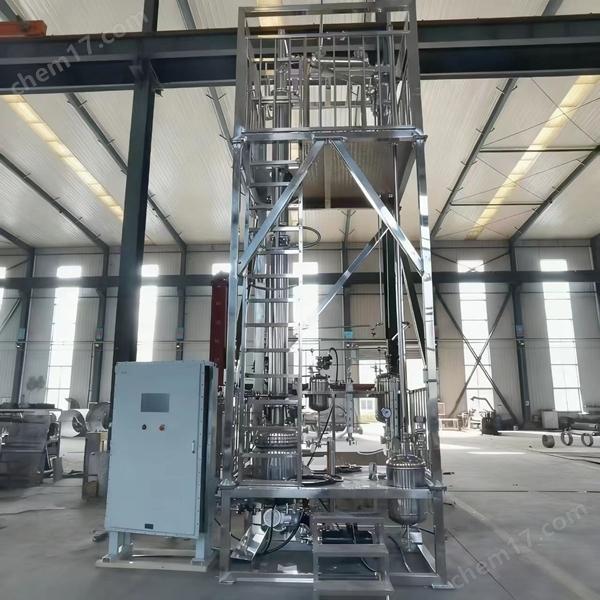
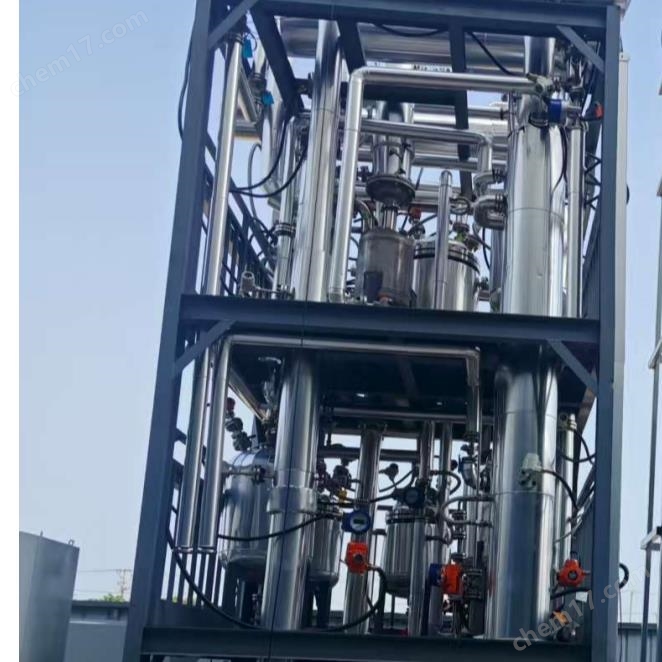
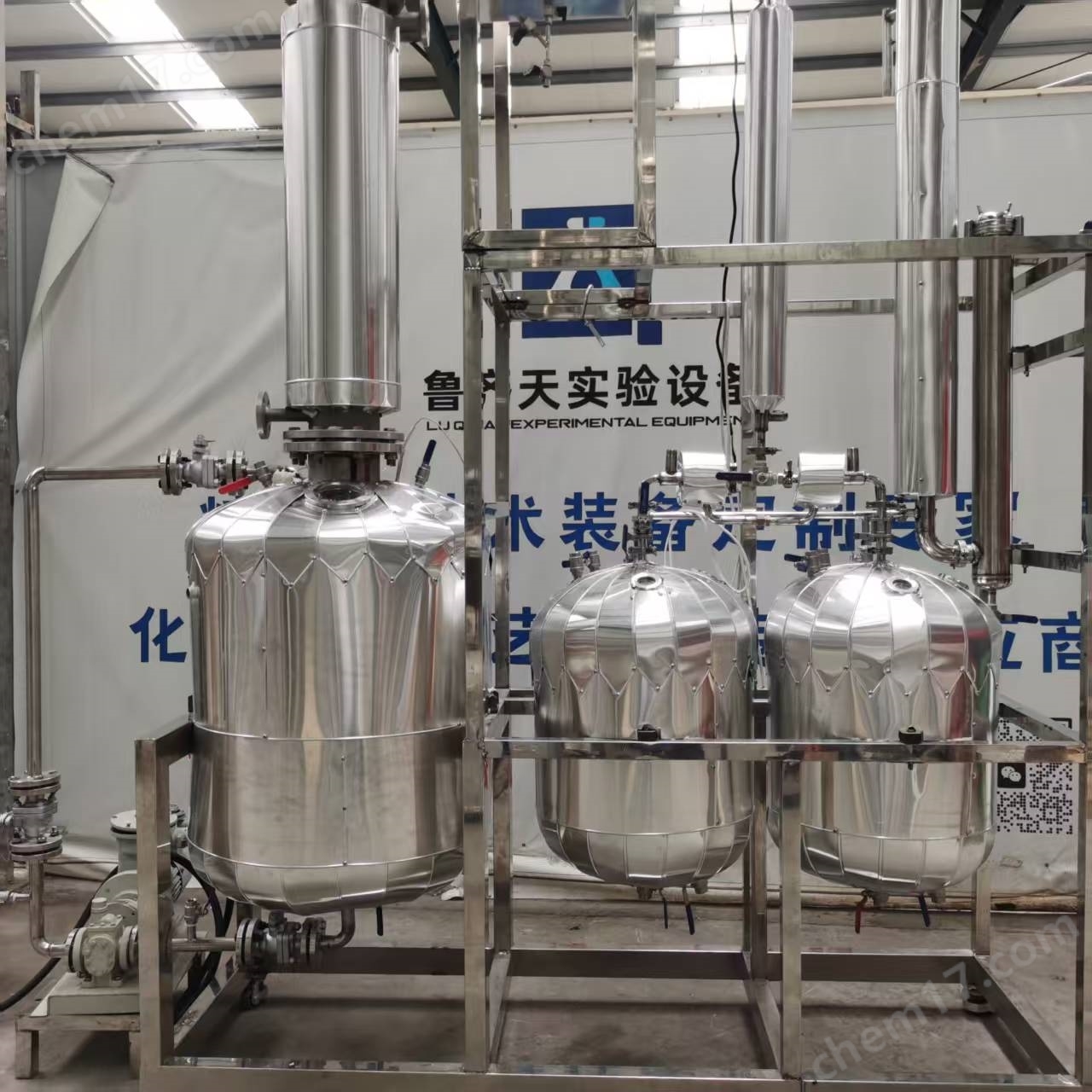
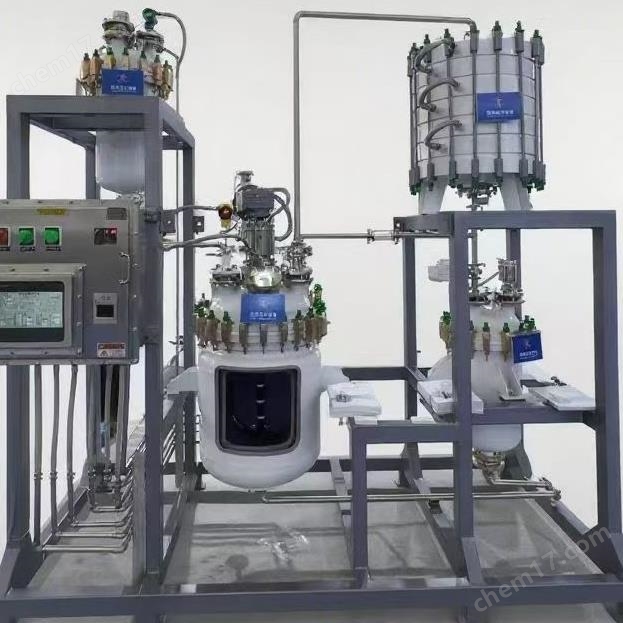
Ethanol distillation tower
NegotiableUpdate on 12/18
- Model
- Nature of the Manufacturer
- Producers
- Product Category
- Place of Origin
Overview
Ethanol distillation tower is a chemical equipment used for separating ethanol and water mixtures to increase ethanol concentration, and is widely used in ethanol production and related industries
Product Details
In the ethanol production industry chain, from the initial treatment of fermentation broth to the final output of high-purity ethanol,Ethanol distillation towerAlways playing an irreplaceable core role. It is not only a key equipment for achieving efficient separation of ethanol and water, but also directly determines product purity, production efficiency, and energy consumption costs. It is widely used in multiple industries related to national economy and people's livelihood, such as food, medicine, and energy.
The formation of low azeotropes between ethanol and water (with an ethanol content of 95.6% at atmospheric pressure and a boiling point of 78.15 ℃) is a natural bottleneck in the purification processEthanol distillation towerThrough the enhanced process of "multiple partial vaporization+multiple partial condensation", this limitation has been successfully overcome, achieving gradient purification. The core logic can be divided into four stages: raw material vaporization: low concentration ethanol raw material liquid (such as fermentation broth containing 10% -15% ethanol) enters the bottom of the tower, is heated to boiling by a reboiler, and some liquid vaporizes into steam containing 30% -40% ethanol, flowing upward along the tower body; Gas liquid mass transfer: The rising vapor and high concentration condensate reflux from the top of the tower come into countercurrent contact on the surface of the tray or packing. Ethanol in the vapor is "enriched" by the condensate, and water in the condensate is "removed" by the vapor. Each layer of tray or packing is equivalent to a small-scale distillation. After dozens of mass transfer stages, the composition of the vapor at the top of the tower is close to azeotropic composition; Condensation reflux: The vapor at the top of the tower enters the condenser and is cooled into liquid. Part of it is returned to the tower as reflux liquid to maintain gas-liquid equilibrium, while the other part is extracted as over 95% qualified ethanol product; Waste liquid treatment: The non vaporized liquid at the bottom of the tower (mainly water, containing less than 0.5% ethanol) can be recycled or discharged in compliance with standards after being treated by the wastewater treatment system.
A complete system consists of three parts: tower body, internal components, and auxiliary equipment. Each component works together to ensure efficient and stable separation process. The tower body adopts a vertical cylindrical structure, and the material is selected according to the application scenario -304/316L stainless steel (compliant with hygiene standards and resistant to ethanol corrosion) is commonly used in the food and pharmaceutical industries, while carbon steel (requiring anti-corrosion coating) can be used for industrial fuel ethanol production. The diameter of the tower body is usually 0.5-5m, the height is 10-30m, the wall thickness is 8-20mm, and it is equipped with manholes (for easy maintenance), sight glasses (for observing gas-liquid flow status), and temperature/pressure detection interfaces (for real-time monitoring of operating parameters). The internal components are the core area of gas-liquid mass transfer, mainly divided into two types: tray and packing. Among them, the floating valve tray has become the mainstream choice for ethanol water system distillation due to its high operational flexibility (stable operation with a processing capacity fluctuation of ± 20%) and high mass transfer efficiency (single plate efficiency of 60% -80%); In scenarios with low processing capacity and high purity requirements (such as pharmaceutical grade anhydrous ethanol production), fillers such as Bauer rings and step rings are used to improve separation accuracy by increasing the contact area. In addition, auxiliary internal components such as liquid distributors and redistributors can avoid liquid deviation and ensure even gas-liquid contact. Auxiliary equipment: Reboiler (mostly tube type, providing vaporization heat source), condenser (shell and tube or plate type, realizing steam condensation), reflux tank (storing condensate, stabilizing reflux ratio) are auxiliary equipment. Among them, the control of reflux ratio (the ratio of reflux liquid volume to extraction volume) is particularly critical, usually set between 2.5-3.5, and needs to be dynamically adjusted according to the requirements of raw material concentration and product purity to balance separation efficiency and energy consumption cost.
This device, with its efficient separation capability, is suitable for diverse industry needs. In the food industry, fermented ethanol can be purified into edible alcohol in line with national standards for food processing such as Baijiu and cooking wine; In the field of medicine, it can produce medicinal ethanol with a purity of over 95%, which can be used as disinfectants, pharmaceutical solvents, etc; In the energy industry, anhydrous ethanol can be prepared as a biofuel through further dehydration processes (combined with extraction distillation or membrane separation), which can help promote the development of the new energy industry. Its performance advantages are mainly reflected in: high separation efficiency, stable product purity up to azeotropic composition; High operational flexibility, able to adapt to different raw material concentrations and processing requirements; Energy consumption is controllable, and optimizing the reflux ratio can effectively reduce operating costs, making it a cost-effective core equipment in the ethanol production process.