-
E-mail
hzjoule@163.com
-
Phone
19012707638
-
Address
No. 598 Hejing Road, Hezhuang Street, Qiantang District, Hangzhou City, Zhejiang Province
Product Categories
Hangzhou Joule Intelligent Technology Co., Ltd
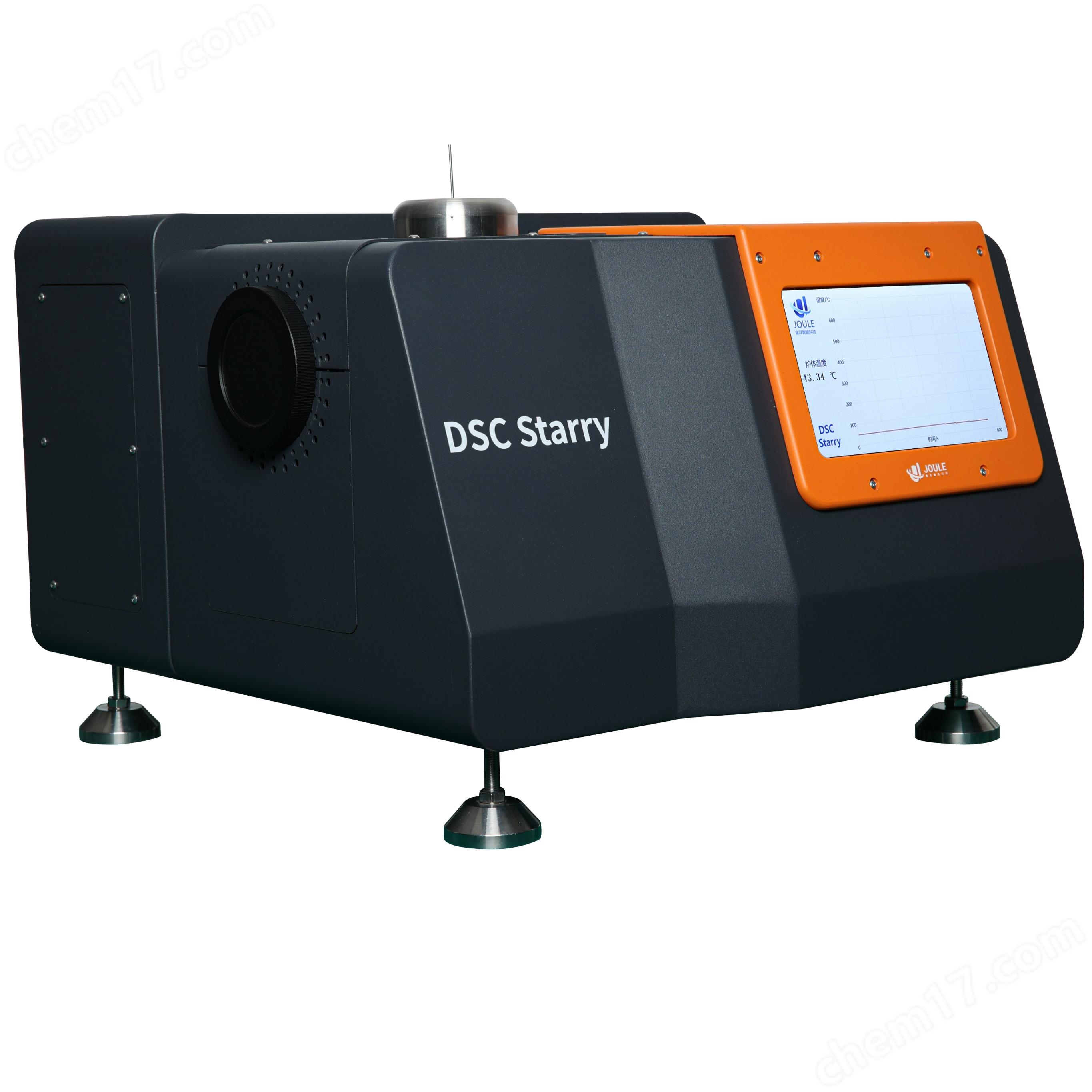
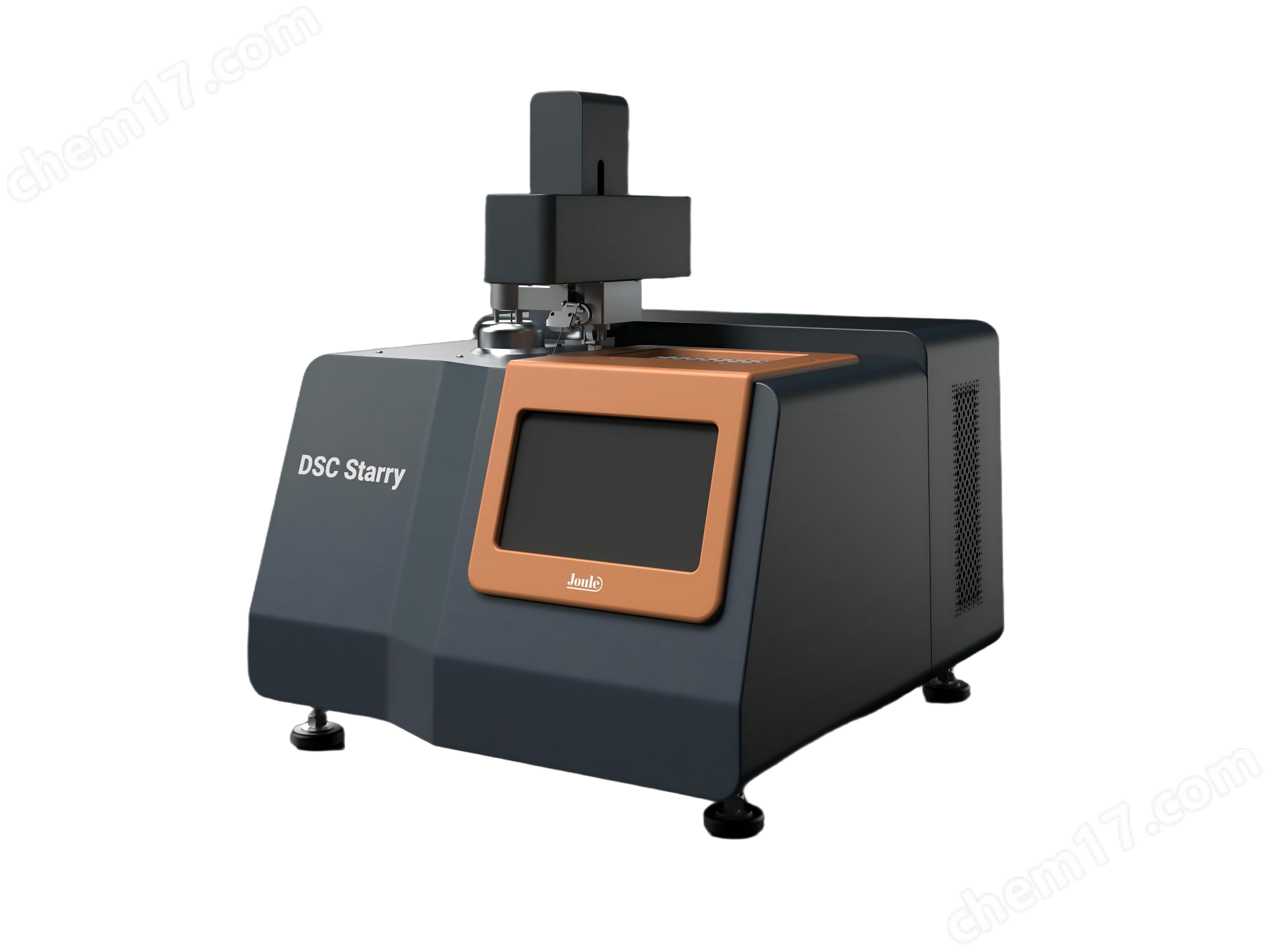
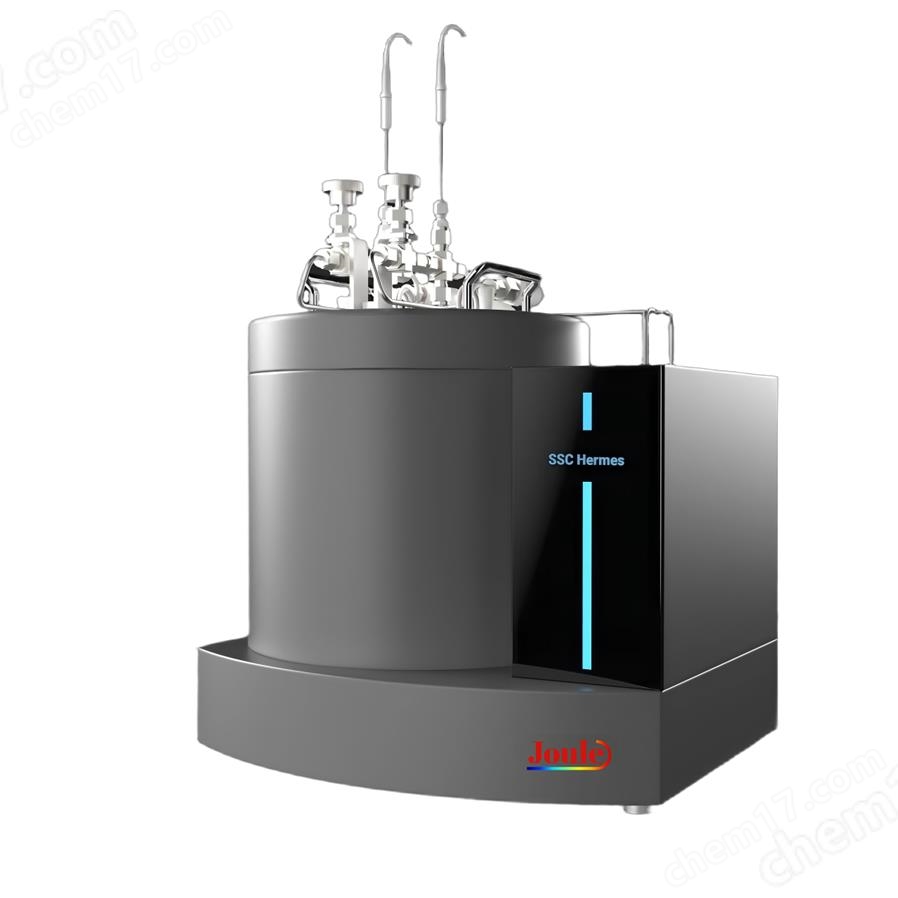
DSC differential scanning calorimeter
NegotiableUpdate on 02/07
- Model
- Nature of the Manufacturer
- Producers
- Product Category
- Place of Origin
Overview
The DSC differential scanning calorimeter has a user-friendly interface and powerful data analysis capabilities, helping users quickly obtain accurate results and optimize product performance and process conditions. It is an indispensable tool in materials science research.
Product Details
DSC differential scanning calorimeterJanebetween
Differential scanning calorimeter is a thermal analysis technique that measures the temperature or time variation of the thermal flow difference (or power difference) between a sample and a reference sample per unit time under programmed temperature control. DSC Starry adopts a highly sensitive tower type heat flow sensor with a highly uniform pure silver furnace structure, achieving high-precision temperature control and heat flow measurement functions. This instrument is widely used in scientific research and industrial fields, from polymer materials, biomedicine, food science to metal materials, all of which can deeply explore their thermal performance characteristics, such as glass transition, melting, crystallization, thermal decomposition and other key processes. The user-friendly interface and powerful data analysis capabilities help users quickly obtain accurate results, optimize product performance and process conditions, making it an indispensable tool in materials science research.
DSC differential scanning calorimeterTest Standard
JJG 936 2012、GB/T 19466、ASTM E967-18
Product Specifications
| Product Model | DSC Starry | ||||
| temperature range(℃) | RT~725 | -40~550 | -80~550 | -150~550 | RT~550 |
| Cold head type | Fin shaped radiator | Primary compressor | Secondary compressor | Liquid nitrogen refrigeration | none |
| pressure | atmospheric pressure | atmospheric pressure | atmospheric pressure | atmospheric pressure | high pressure |
Technical Specifications
| parameter | value |
| Measuring principle | Tower heat flow type |
| temperature range |
-80 ℃~725 ℃ (silver furnace body) |
| Reproducibility of phase transition temperature | ±0.006K |
| temperature accuracy | ±0.01K |
| Heating scanning rate | 0.02~300K/min |
| Cooling scanning rate | 0.02~50K/min |
| Deviation in program heating rate | 1%(ASTM E967-18) |
| Baseline stationarity | 60μW(RT~300℃) |
| Measurement accuracy of enthalpy |
0.02%(Indium) |
| Heat flow display resolution | 0.1μW |
| Peak to peak heat flux noise | 10μw |
| Range of heat flow measurement | ±750mW |
| Indium peak height/half width | 25mW/K |
| Modulation DSC function | have |
| System sampling rate | 50Hz |
| Blowing atmosphere system | have |
| Blowing atmosphere control | Controllable flow rate (0-300ml/min) |
| Protecting the Atmosphere | 200ml/min |
Function Mode
| test mode | data collection |
| isothermal mode | Temperature collection, heat flow collection |
| scanning mode | Temperature collection, heat flow collection |
| Adjust mode | Temperature collection, heat flow collection |
Optional features
| function | Brand/Model | parameter |
| auto-sampling | Joule Intelligence | 60 sample locations |
| Primary refrigeration unit | Julabo | -35℃ |
| Secondary refrigeration unit | Julabo | -80℃ |
| Prototype press machine | 定制 | / |
| reference material | Indium, tin, lead, zinc | Second class standard substance |
| sapphire wafer | 定制 | / |
| Solid aluminum crucible | 定制 | / |
| High-pressure sealed crucible | 定制 | / |
| Liquid nitrogen refrigeration module | 定制 | -150℃ |
| high voltage module | 定制 | 7MPa |
Product Features
Excellent thermal conductivity: Using high-purity silver furnace body to achieve excellent thermal conductivity efficiency, ensuring highly uniform temperature field of the sample and providing fast and accurate thermal response
Modulation Differential Scanning Calorimetry (MDSC) ™) Technology: Using high-precision temperature modulation technology, accurately decoupling reversible and irreversible heat flux signals, greatly improving the accuracy and information dimension of quantitative analysis of thermal effects.
Ultra high resolution thermal analysis: The ultra-high resolution DSC curve can clearly identify and characterize extremely weak thermal effects and complex transformation processes.
Intelligent and easy to operate: intuitive and intelligent interface design, greatly simplifying the operation process, improving efficiency and experience.
Wide material applicability: Fully compatible with various materials, seamlessly meeting diverse needs from basic scientific research innovation to industrial application landing.
Intelligent Data Analysis Platform: Powerful data analysis software that deeply explores the value of data, provides professional visual reports, and empowers scientific research exploration and production optimization.
Typical Case
(1) Metrological Verification and Testing - Rb Sample Atomic Gas Chamber
Encapsulate rubidium(The atomic gas chamber of Rb is placed in a DSC furnace, and the mass of rubidium is calculated based on the thermodynamic equation m=Q/Δ Hm by detecting the heat flux integral value (peak area) of the solid liquid phase transition process of rubidium, combined with the known constant of rubidium's specific phase transition enthalpy. Starry's high enthalpy measurement accuracy can measure phase transition heating effects, supporting the construction of thermodynamic databases.
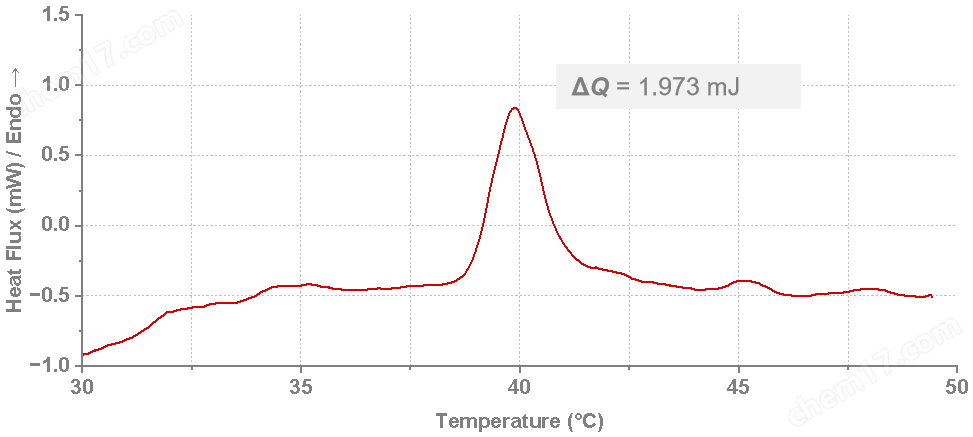
image1 Rb sample atomic gas chamber heat flux curve
(2) Chemical Engineering and Technology - Coatings and Adhesives
Polymer adhesives undergo glass transition temperature(Tg) regulates the viscoelastic state transition behavior, and the thermal history dependence of the system can be accurately quantified through DSC. Starry's high-precision heat flow sensor can accurately measure changes in heat flow. The 23mg adhesive sample is tested in the range of -70~0 ° C, with a heating rate of 10 ° C/min. The sample undergoes glass transition at -35.0 ° C.

imageGlass transition temperature test of 2 adhesives
(3) Metal Metallurgy Industry - High Temperature Metal Processes
High-purity indium(Due to its significant melting phase transition (156.60 ± 0.1 ° C) and traceable specific melting enthalpy (28.45 J/g), 99.999% (99.999%) has been adopted by NIST/IECQ as a dual parameter reference material for DSC temperature and enthalpy, establishing an absolute standard for cross laboratory mutual recognition of thermal analysis data. DSC Starry can accurately measure the melting phase transition behavior of high-purity indium in the range of 150-160 ° C with a temperature control accuracy of ± 0.006 ° C. Significantly reducing the detection error of the liquidus temperature of high-temperature alloys, providing a critical temperature decision-making basis for the casting process of aircraft engine blades.

Figure 3 Melting peak of indium metal
(4) Life Sciences and Green Materials - Cellulose, Composite Materials
Cellulose is one of the main raw materials for biodegradable packaging films and cellulose nanocrystal reinforced composite materials. Its thermal stability and crystallization melting behavior are dominated by the molecular chain hydrogen bonding network, which directly affects the processing window and service life of the material.DSC Starry can accurately measure various changes in cellulose within the range of 150~400 ° C through an accurate linear heating program, quantify the thermal stability of cellulose materials, and the regulatory effects of different pretreatment processes on the thermal properties of materials - for example, the peak at 325 ° C can reveal the thermal effect of cellulose molecule decomposition.

Figure 4 Thermal decomposition of cellulose
(5) Dynamic Evolution Analysis of Polymer Material Structure Recombination - Nylon 66
Nylon 66, with its hydrogen bond dominated regular arrangement and amide bond polarity, exhibits high tensile strength and good heat resistance, making it a key material for structural components such as automotive parts and electronic connectors. DSC Starry, with its MDSC function, can separate the reversible and irreversible heat flux signals of nylon 66 during continuous heating process: accurately analyze its melting behavior through reversible heat flux, and clearly capture the dynamic process of "reorganization melting" in irreversible heat flux.

image5 Nylon 66 Melting
(6) Decoupling of Multi level Thermochemical/Thermophysical Processes - PET Polyester
PET polyester has become an important material in the fields of bottle flakes, fibers, etc. due to its rapid crystallization characteristics. The performance of its products is highly dependent on the crystallization behavior during the processing. DSC can accurately capture its glass transition and melting behavior, thereby optimizing process parameters such as hot forming temperature to ensure product performance. With the MDSC function of DSC Starry, reversible/irreversible heat flux signals of PET polyester in the temperature range of 50~300 ° C can be separated: the glass transition temperature and melting heat absorption can be accurately analyzed through reversible heat flux, while presenting the thermal history of various non-equilibrium processes such as cold crystallization in irreversible heat flux.
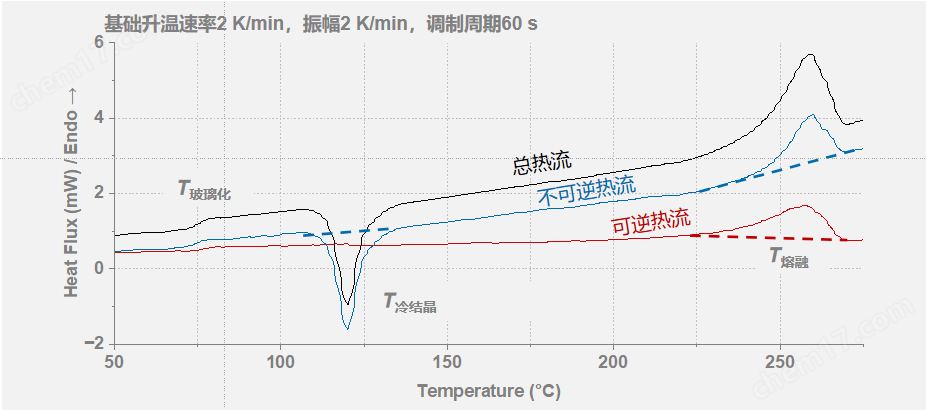
Figure 6 Glass transition and melting of PET
Similar Product Recommend