-
E-mail
jisong0988@163.com
-
Phone
13534231905
-
Address
Meilin Duoli Industrial Zone, Futian District, Shenzhen City, Guangdong Province
Product Categories
Shenzhen Tianchuangmei Technology Co., Ltd

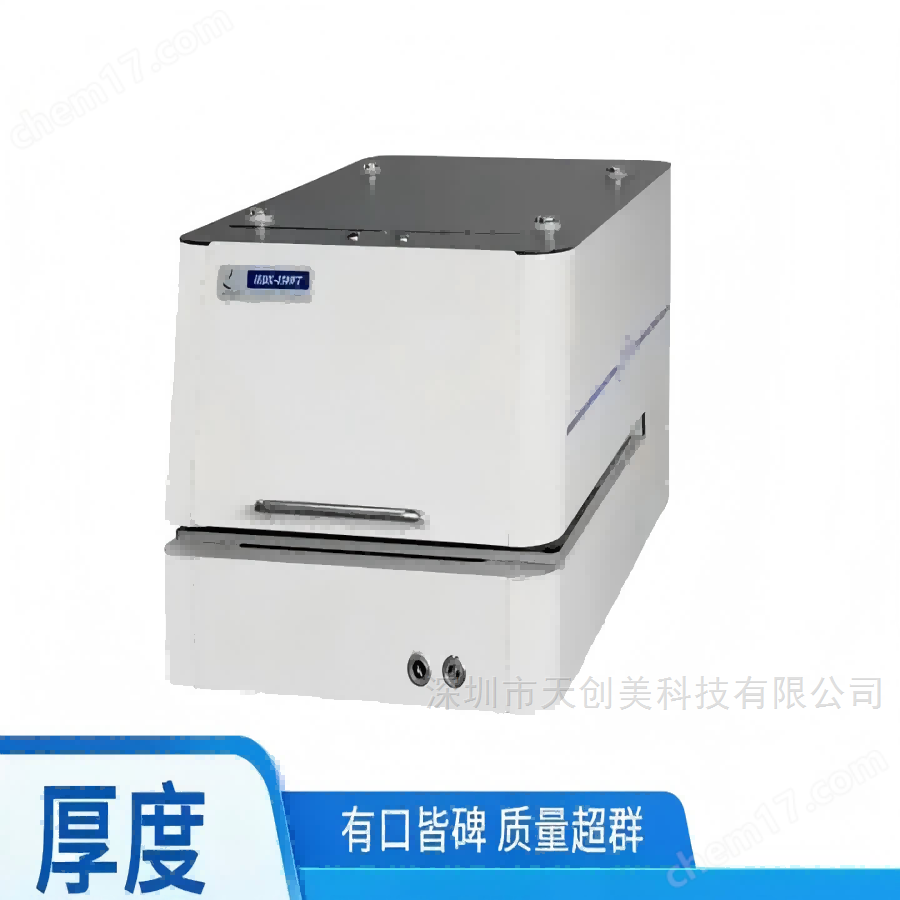
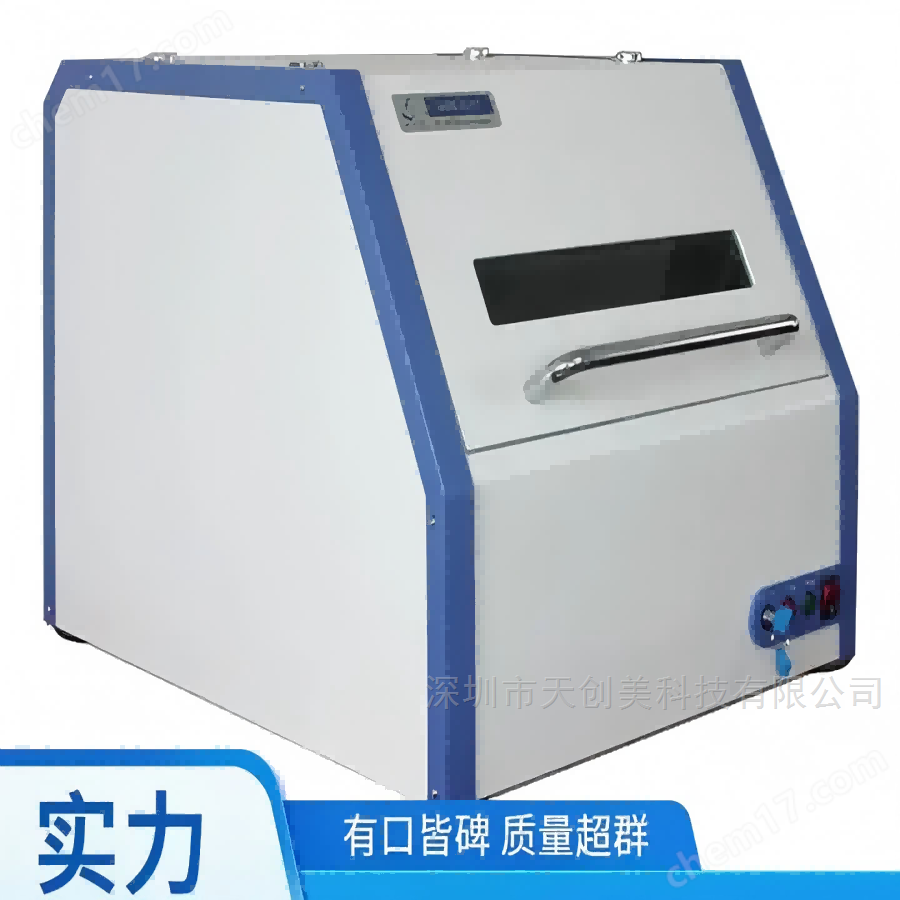
Chemical metal element content detector for regenerated oils and fats
NegotiableUpdate on 12/24
- Model
- Nature of the Manufacturer
- Producers
- Product Category
- Place of Origin
Overview
The detection instrument for chemical metal element content in recycled oil often uses spectroscopic techniques such as ICP-OES, which can quickly and accurately detect heavy metals, trace elements, and nutrients. It has the characteristics of multi-element synchronous analysis, high sensitivity, and easy operation, providing reliable data support for quality control, safety assessment, and process optimization of recycled oil.
Product Details
Chemical metal element content detector for regenerated oils and fats
Detailed explanation of the function of ICP inductively coupled plasma emission spectrometer for detecting the content of chemical elements in regenerated oils and fats
The inductively coupled plasma optical emission spectrometer (ICP-OES) is the core analytical equipment for quality monitoring of regenerated oils and fats. It achieves multi-element synchronization and high-precision detection through high-temperature plasma excitation technology, providing key data support for oil safety assessment, process optimization, and environmental monitoring. Here is an analysis of its core functions:
1、 Multi element synchronous detection, covering the entire periodic elemental spectrum
ICP-OES can simultaneously detect over 70 elements in regenerated oils and fats, including:
Nutritional related elementsCalcium (Ca), magnesium (Mg), iron (Fe), zinc (Zn), selenium (Se), etc. are used to evaluate the nutritional value of oils and fats;
Harmful heavy metalsStrictly monitor lead (Pb), arsenic (As), cadmium (Cd), mercury (Hg), chromium (Cr), etc. to ensure food safety;
Process related elementsPhosphorus (P), sulfur (S), potassium (K), sodium (Na), etc., reflect the characteristics of raw materials or the influence of processing;
Other trace elementsCopper (Cu), manganese (Mn), nickel (Ni), aluminum (Al), etc., assist in analyzing pollution sources or equipment wear.
2、 Ultra low detection limit and wide linear range meet the requirements of trace analysis
The detection limit is as low as ppb level,Can accurately identify trace pollutants in regenerated oils and fats;
Linear range spanning 6 orders of magnitudeFrom trace (ppb level) to constant (mg/L level) elements, they can be directly quantified, avoiding dilution or concentration steps and simplifying the operation process.
3、 High resolution and anti-interference ability ensure data reliability
Low optical resolution,Can clearly separate adjacent spectral lines to avoid interference between elements;
High temperature plasma environmentEffectively reducing chemical ionization interference and improving detection accuracy, especially suitable for complex matrix samples (such as high salt, high organic regenerated oils and fats).
4、 Automated and intelligent design to improve detection efficiency
One key ignition and automatic matchingThrough solid-state power supply and automatic matching technology, achieve full process automation of gas blowing, ignition, parameter optimization, etc;
Intelligent sampling systemEquipped with peristaltic pump, atomizer and mist chamber, supporting continuous injection, automatic removal of waste liquid, ensuring injection stability;
Software integration controlFully controlled by computer, supporting element free selection, measurement sequence arrangement, and real-time data diagnosis, with convenient operation.
5、 Application scenarios and value
Food safety monitoringDetect heavy metals and harmful elements in recycled oils to prevent them from entering the human body through the food chain;
process optimizationAnalyze the content of process related elements, guide the selection of raw materials and adjustment of processing parameters, and improve product quality;
environmental monitoringTracking pollutant emissions during the oil treatment process to assist enterprises in compliant production and green transformation.
6、 Summary of Technical Advantages
ICP-OES, with its core advantages of "multi-element synchronization, high sensitivity, wide linear range, strong anti-interference, and high degree of automation," has become a detection tool for the recycled oil industry. It not only meets the current regulatory requirements for oil safety standards, but also supports enterprises in achieving quality control and sustainable development goals through accurate data.
Chemical metal element content detector for regenerated oils and fats
Similar Product Recommend