-
E-mail
ethan@lab-tester.com
-
Phone
13926824844
-
Address
Room 601, Building 2, R&D Building, Lihe Zijing Science and Technology Innovation Center, No. 55 Qinghu East Road, Qingxi Town, Dongguan City, Guangdong Province
Product Categories
Dongguan Hongtu Instrument Co., Ltd
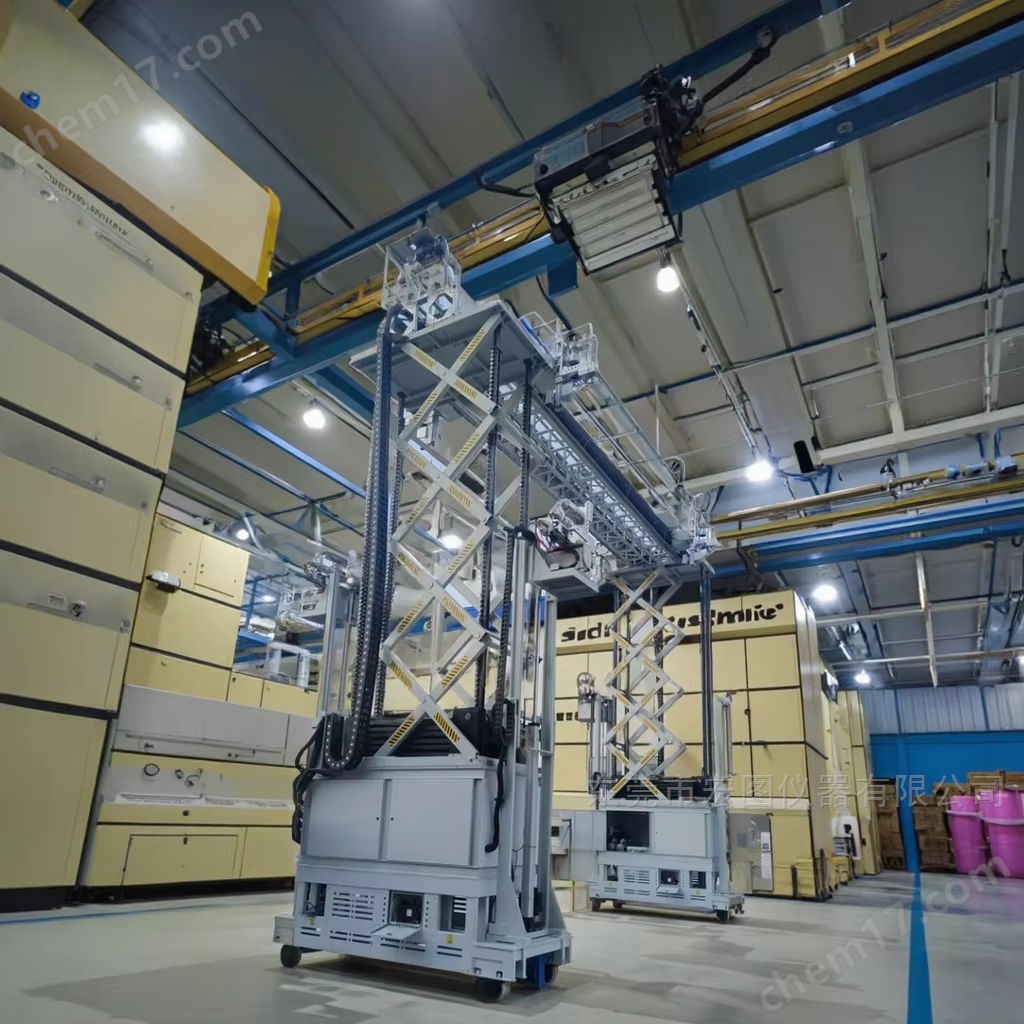
Car hail impact testing system
NegotiableUpdate on 01/05
- Model
- Nature of the Manufacturer
- Producers
- Product Category
- Place of Origin
Overview
The car hail impact testing system is mainly used to simulate the impact of natural hail weather on car exterior coverings (such as body sheet metal, glass, sunroof, roof, etc.), evaluate their impact resistance, durability, and safety.
Product Details
HT-6009-ACar hail impact testing system
Applicable standards:
Compliant with ISO 20563:2007 "Test Method for Hail Impact Resistance of External Materials of Road Vehicles", SAE J2444:2019 "Hail Impact Test Procedure", GB/T 34542-2017 "Test Method for Impact Resistance of Automotive Windshield Glass"
Purpose:
Car hail impact testing systemMainly used to simulate the impact of natural hail weather on car exterior coverings (such as body panels, glass, sunroofs, roofs, etc.), evaluate their impact resistance, durability, and safety.
Technical specifications:
launching device
1. Power source: Compressed air, stable and reliable, can quickly drive simulated hail launch.
2. Pressure requirement: The working pressure range is 6-8 bar, which can be precisely adjusted through a pressure regulating valve to control the emission speed of simulated hail.
3. Simulated hail specifications:
3.1. Diameter: Can emit hail with a diameter of 15-100mm. Special specifications can be customized to simulate real hail of different sizes.
3.2. Quality: Corresponding to different diameters, the quality deviation is controlled within ± 2% to ensure stable simulated hail quality for each launch. For example, a simulated hail with a diameter of 25mm has a mass of approximately 7.53g ± 2%.
3.3. Impact velocity: The impact velocity range is 10-50m/s ± 2%, and can be accurately set according to actual testing needs by adjusting air pressure and other methods. If the test car encounters hail while driving at high speeds, the speed can be set to a higher value.
3.4. Launch tube parameters:
3.4.1. Length: 500mm, made of purple copper material, ensuring the stability of simulating hail movement during the launch process.
3.4.2. Caliber: Compatible with the simulated hail diameter, for example, when emitting 25mm simulated hail, the caliber is φ 25.4mm (other sizes will be customized separately).
3.4.3. Loading method: manual loading, segmented chamber, easy to operate and ensure safe and reliable loading process.
3.4.4. Firing device: Equipped with an electromagnetic valve, it responds quickly and can accurately control the timing of simulated hail emission.
3.4.5. Distance between muzzle and sample surface: 500mm, ensuring that simulated hail reaches a stable velocity before impacting the sample, and this distance can be adjusted within a certain range according to actual testing needs
Mobile devices:
1. Positioning accuracy: ± 1mm, ensuring that the launching device can accurately locate the testing position of the car components, improving the accuracy and repeatability of the testing.
2. Moving axis parameters:
2.1 X-axis movement distance: 2600mm (can be customized according to customer's actual needs).
2.2 Y-axis movement distance: 1500mm (can be customized according to customer's actual needs).
2.3 Z-axis movement distance: 1000mm (can be customized according to customer's actual needs).
2.4 Mobile speed: 10-100mm/s. The mobile speed of the launching device can be flexibly adjusted according to the testing process and requirements. For example, it can move quickly when searching for the testing position and slowly when approaching the target position for precise positioning.
2.5 Guidance Method: Industrial formed alloy aluminum+rubber guide wheels ensure smooth and stable movement, reducing the impact of vibration on testing accuracy.
2.6 Drive mode: stepper motor+chain, providing stable driving force and achieving precise position control.
2.7 Positioning control method: PLC controls the automatic positioning of stepper motors, and through pre written programs, automated positioning operations can be achieved to improve testing efficiency.
Test platform parameters
1. Table size: L2500mm x W1300mm x H500mm, can be customized according to the size of automotive components, and can stably place various automotive components for testing.
2. Platform material: Industrial formed aluminum, with good strength and stability, and lightweight, easy to install and adjust.
3. Sample placement method: Horizontal placement is the main method, and multi angle adjustment fixtures can be equipped to meet the testing needs of different angles of automotive components, such as simulating hail hitting the car body diagonally.
Parameters of speed measuring device
1. Speed measurement principle: By measuring the time t it takes for simulated hail to fly over a fixed distance s, the simulated hail flight speed is calculated based on v=s/t.
2. Sensing device: Using high-precision photoelectric sensors with fast response speed, it can accurately capture the time when simulated hail passes by.
3. Distance between speed measurement points: 500mm. This distance has been optimized to ensure the accuracy of speed measurement without excessively affecting the overall layout of the equipment.
4. Speed measurement accuracy: ± 5%, meeting the strict requirements of the automotive industry for testing accuracy and ensuring reliable test results.
Parameters of simulated hail preparation device
1. Production method: Fill the dedicated ice hockey mold with water and place it in the freezer compartment of the refrigerator. After the water cools and freezes, separate the mold and take it out to simulate hail. Place it in an insulated box and refrigerate for later use.
2. Mold specifications:
2.1 Inner cavity size: Corresponding to the simulated hail diameter, such as making molds for 25mm, 35mm, 45mm, and 55mm simulated hail, the inner cavity diameter is 25mm.
2.2 Structural Design: The upper chamber is a hemispherical water funnel, and the mold is divided into two halves of a cage for easy production and removal of simulated hail.
2.3 Number of ice hockey cavities in each set of molds: 4-6 to improve the efficiency of simulating hail production.
2.4 Mold Material: Resin, durable and not easily deformed, ensuring the accuracy of the simulated hail size produced.
Similar Product Recommend


