-
E-mail
info@2ceco.com.cn
-
Phone
13691369094
-
Address
20H, Block A, Chengming Building, No. 2 Xizhimen South Street, Xicheng District, Beijing
Product Categories
Beijing Xiawei Shengtai Technology Co., Ltd
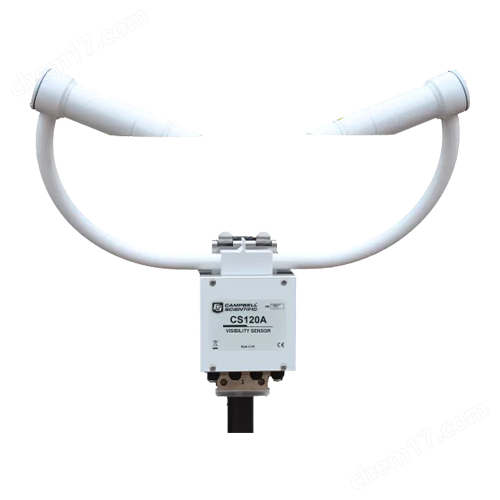
CS125 Visibility and Weather Phenomenon Sensor
NegotiableUpdate on 02/04
- Model
- Nature of the Manufacturer
- Producers
- Product Category
- Place of Origin
Overview
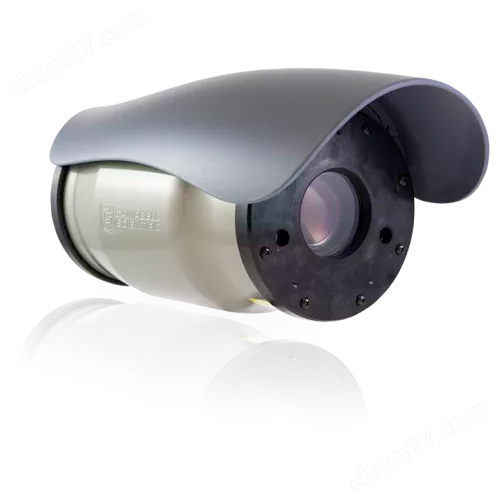
CS125 Visibility and Weather Phenomenon Sensor is a sensor that uses infrared forward scattering technology to measure atmospheric visibility and current weather phenomena. It can be used alone or in conjunction with automatic weather stations. Widely used in the fields of roads, oceans, and airports. CS125 comes with a 5-meter (16.4-foot) cable and DB9 connector.
Product Details
CS125 Visibility and Weather Phenomenon SensorIt is a sensor that uses infrared forward scattering technology to measure atmospheric visibility and current weather phenomena. It can be used alone or in conjunction with automatic weather stations. Widely used in the fields of roads, oceans, and airports.CS125bring your own5rice(16.4foot)Cable andDB9Connection head.
Advantages and Characteristics
u High cost-effective sensor
u The special design of the sensor minimizes the influence of airflow on the measurement position to the greatest extent possible
u Simple on-site calibration can be achieved using optional calibration kits
u low power consumption-Suitable for long-term operation in the wild
u Automatic inspection of operating status and lens contamination
u Equipped with anti condensation and lens heater, it can work 24/7
u Obtain approval from the German Meteorological Agency(Deutscher Wetterdienst (DWD) Aviation Usage Certification
Details
CS125 Visibility and Weather Phenomenon SensorIt is a sensor that uses infrared forward scattering technology to measure atmospheric visibility and current weather phenomena. It can be used alone or in conjunction with automatic weather stations. Widely used in the fields of roads, oceans, and airports.Using the prevailing forward scattering technology in the industry to measure atmospheric visibility,42The scattering angle can be adjusted under foggy and snowy weather conditionsMOR(Meteorological optical range) for precise measurement.CS125By effectively distinguishing the type of settling particles through scattering characteristics and settling velocity, combined with temperature measurement, the current weather type can be accurately determined. The optical lens points downwards, effectively reducing the impact of snow, rain, dust and other accumulations on the measurement. The horn shaped design effectively shields the influence of turbulence and heat flow on sensor measurement.
It can alsoOutput current weather information in the form of SYNOP code, including precipitation intensity and cumulative precipitation.
CS125The use of continuous high-speed sampling effectively reduces measurement errors in mixed weather conditions such as rain and hail, while also ensuring stable and reliable readings in relatively stable weather conditions such as fog and mist.CS125Has high anti-interference ability and can be used to mark visible light and infrared warning lights for obstacles, such as wind turbines.
As needed, sensors can also be set to low-frequency sampling to reduce power consumption. The standard configuration of sensor lenses includes low-power anti condensation heaters and high-power anti icing heaters. Automatic heating control ensures that the sensor operates 24/7. To reduce power consumption, this function can also be turned off. Sensors can continuously monitor their own working status and lens contamination and generate report information. It also has two user configurable alarm outputs that can be used to drive audio or video alarms using solid-state relays.
CS125ApprovedGerman Weather ServiceCertified by the German Meteorological Association for controlling wind turbine obstruction light systems, compliant with506/04The general management rules for identifying aircraft obstacles are stipulated.
Technical Specifications
Maximum visibility measurement range |
100 km (approximately 62.1 miles) |
|
Minimum visibility measurement range |
5 meters (approximately 16.4 feet) |
|
resolution |
1 meter (approximately 3.28 feet) |
|
output |
Real time and historical weather phenomena: can identify smoke, fog, drizzle, frozen drizzle, drizzle with snow, rain, freezing rain, rain with drizzle, sleet, snow, etc.57 SYNOP Weather Phenomenon Code and METAR and NWS Weather Phenomenon Code - Hail Selection, Historical Weather Phenomenon Selection |
|
accuracy |
± 8% (less than 600 meters) ± 10% (600 to 10000 m) ± 15% (10000 to 15000 m) ± 20% (greater than 15000 meters) |
|
Precipitation observation threshold |
0.05 mm/h |
|
Accumulated precipitation observation range |
0-999.9 mm |
|
Accuracy of cumulative precipitation observation |
± 15% (factory laboratory standard calibration, liquid precipitation) |
|
Accumulated precipitation observation resolution |
0.1 mm |
|
Observation range of precipitation intensity |
0-99.9 mm (maximum intensity reported based on mixed precipitation) |
|
Accuracy of precipitation intensity observation |
± 15% (factory laboratory standard calibration, liquid precipitation) |
|
Resolution of precipitation intensity observation |
0.01 mm/h |
|
Standard version operating temperature |
-25 to+60 ℃ (standard) |
|
Extended version working temperature |
-50 to+70 ℃ or -40 to+70 ℃ |
|
Relative humidity of working environment |
0 to 100% |
|
wind speed |
maximum60 meters per second |
|
Sealing grade of sensor |
IP66 |
|
Overall power consumption |
Less than during continuous sampling3W (including anti condensation heater operation) |
|
structural parameters |
||
material |
Stainless steel and anodized aluminum powder coating |
|
install |
stainless steelU-bolt (suitable for vertical poles with diameters ranging from 32 mm to 52.5 mm) |
|
Installation pole |
Optical mounting rod, suitable for placing the sampling areaWMO recommended location of 1.5 meters |
|
Easy folding rod |
satisfyICAO's recommended standard (generally placing the sampling area at a distance of 2.5 meters) |
|
Sensor size |
540 mm × 640 mm × 246 mm (including bracket) |
|
Cable length |
5 m |
|
Sensor weight |
about3 Kg (depending on the installation system) |
|
Electrical parameters |
||
note |
Low power can be achieved by reducing the sampling frequency and remotely controlling the heater. You can choose a backup battery as an optional power source. Cable plugs can be used instead of bare wires. Low voltage shutdown mode can be set to prevent equipment failure caused by low voltage operation. |
|
power supply voltage |
7-30 VDC |
|
Anti icing heater power supply voltage |
24 V (DC or AC) |
|
power |
2 x 30 W, totaling 60 W |
|
Power of anti condensation heater |
2 × 0.6 W, totaling 1.2 W |
|
interface parameters | ||
serial interface |
RS232 or RS485 |
|
communication rate |
1200-112200 bps (default speed: 38400bps) |
|
Warning output |
2 × (0-5) V output, 32 mA (maximum) |
|
optical parameters | ||
note |
Lens anti pollution detection circuitDetect the contamination/dust/rain and snow accumulation of the transmitter and detector lens at 1-second intervals. The sensor can be configured with a low calibration level to handle normal mild window contamination situations. The stability control of the light source can ensure the stability of the optical system under large temperature differences and sensor aging conditions. Refresh once per second. |
|
Transmitting light frequency |
850 nm |
|