-
E-mail
info@2ceco.com.cn
-
Phone
13691369094
-
Address
20H, Block A, Chengming Building, No. 2 Xizhimen South Street, Xicheng District, Beijing
Product Categories
Beijing Xiawei Shengtai Technology Co., Ltd
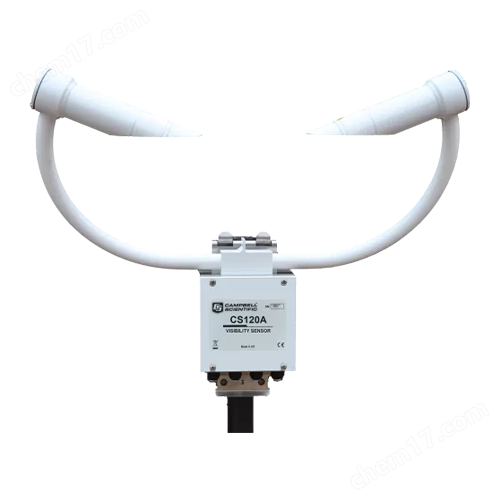
CS120A Atmospheric Visibility Sensor
NegotiableUpdate on 02/04
- Model
- Nature of the Manufacturer
- Producers
- Product Category
- Place of Origin
Overview
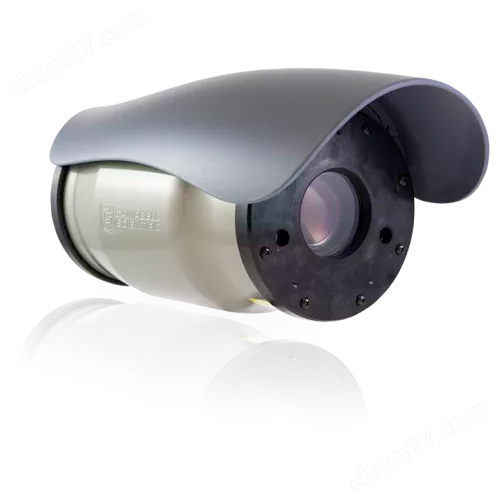
The CS120A atmospheric visibility sensor uses validated infrared forward scattering technology. 42 #176; Scattering angle can accurately measure MOR (Meteorological Optical Range) under foggy and snowy weather conditions, with a measurement range of up to 5 to 75000 meters. It has a cost-effective advantage in the field of visibility sensors today. CS120A is suitable for use as an independent sensor and can also be combined with automatic weather stations in the fields of highways, aviation, solar energy, and wind energy.
Product Details
CS120A Atmospheric Visibility SensorUsing validated infrared forward scattering technology.42The scattering angle can be adjusted under foggy and snowy weather conditionsMORAccurate measurement using meteorological optical vision, with a measurement range of up to5to75000mIt has a cost-effective advantage in the field of visibility sensors today.CS120AIt is suitable for use as an independent sensor and can also be combined with automatic weather stations in the fields of highways, aviation, solar energy, and wind energy.
For applications in the aviation field,CS120ACompliant with the UKCAATheFAAandICAOStandards that meet or exceed relevant recommendations and specifications (including:CAP437,CAP670andCAP746).
CS120A Atmospheric Visibility SensorUsing validated infrared forward scattering technology.ApprovedGerman Weather ServiceCertified by the German Meteorological Association, authorized for use in506/04The control of the wind turbine obstacle light system as stipulated in the general regulations for aircraft obstacle recognition.
Advantages and Characteristics
uHigh performance atmospheric visibility sensor, high cost-effectiveness
uSensor design minimizes disturbance to airflow within the measurement range
uEquipped with anti condensation and lens heater, it can work 24/7
uOptional calibration kit, easy and practical field calibration work
ulow power consumption-Suitable for long-term operation in the field
ufault/Automatic detection and reporting of lens contamination
uCertified by the German Federal Meteorological Service, it can be used for aviation meteorology
Details
Compared to many other similar sensors,CS120AThe design of the sensor means measuring visibility in a relatively clean space, as the head and subject positions of the sensor can minimize disturbance to the airflow within the measurement range.
CS120AUsing continuous and high-speed sampling can improve measurement accuracy in mixed weather phenomena, such as mixed weather of rainfall and hail. Reliable readings can be provided under relatively stable weather conditions, such as heavy fog. High speed sampling can also enable sensors to better respond to sudden changes in weather conditions.
CS120AThere are several design features that can keep the lens clean. A downward facing lens can reduce the accumulation of dust and snow. Low power heaters can prevent water droplets from condensing, while higher power heaters can prevent icing. The power consumption of the entire sensor is very low, and normal operation including the anti condensation heater only requires3 WBy reducing the sampling frequency and manually controlling the heater, power consumption can be further reduced.
Sensors provide two configurable alarm outputs through relays, which can drive external alarm systems such as alarm lights and speakers. Based on the current visibility conditions, it can also be used to adjust the intensity of wind turbine warning lights.
Technical Specifications
Signal output type |
RS-232, RS-485 |
Measurement description |
Meteorological observable range(MOR) |
Maximum visibility measurement range |
100 km(About)62.1 miles) |
Minimum visibility measurement range |
5 m(About)16.4 Feet) |
accuracy |
± 8% (<600 meters) ± 10% (600-10000 meters) ±15%(10,000-15,000Rice) ±20%(5,000-75,000Rice) |
resolution |
1 meter |
install |
stainless steelU-shaped card installation, rod outer diameter32-52.5 millimeter |
Supply voltage range |
7-30 VDC |
Total Power Consumption |
<3 WContinuous sampling mode (including anti condensation heater) |
Installation Standard |
Easy folding wind rods must meet the recommendations of the International Civil Aviation Organization(ICAOUsually, sensors are installed in2.5 At the rice position |
Sensor external dimensions |
540 x 640 x 246 mm, including installation brackets |
Sensor weight |
~3 kg |
optical parameters | |
Emission spectrum wavelength |
850 nm |
LEDspectral bandwidth |
±35 nm |
Transmitting light pulse frequency |
1 kHz |
working environment | |
Working environment temperature range |
-25 to+60 ℃ |
Wide temperature version working environment temperature range |
-40 to+70℃ |
Working environment humidity range |
0~100% |
wind speed |
maximum60 rice/second |
Sealing grade of sensor |
IP66 |
Sensor heating threshold |
>40 ℃ (anti condensation heater turned off) <35 ℃ (anti condensation heater on) <5 ℃ (heating hood open) >15 ℃ (heating hood closed) |
DSP and condensing heater | |
power consumption |
2 x 0.6W(In total)1.4W)Anti condensation heater |
|
Typical working current @12VDC |
200 MA (anti condensation heater working, RS232 communication) 200 MA (continuous sampling, anti condensation heater working) 110 MA (continuous sampling, anti condensation heater turned off) 21 MA (no sampling, anti condensation heater turned off) |
heater | |
Working Voltage |
24 V DC or AC |
power consumption |
2 x 30 W(共60 W) |
interface | |
serial interface |
RS-232orRS-485,8Number of data points,1Stop position |
Serial data communication rate |
1200-115200 bps(default38400 bps) |