Dr. Ira Leifer, Institute of Marine Science, University of California, Santa Barbara
Scientists Dr. Ira Leifer, Dr. Paige Farrell, and Dr. Dan Culling from the University of California, Santa Barbara, California, recently completed methane cross-sectional measurements in the southern United States and delivered their Picarro flux analyzer to a waiting ship in Louisiana en route. The Picarro analyzer and other equipment were initially intended only for onboard measurements, but Dr. Leifer believes that considering transportation and port arrival costs, they could transport the instruments by car and take this opportunity to collect long-distance mobile methane data. The team immediately rented a motorhome, installed the equipment, and drove almost day and night for two weeks, departing from Santa Barbara, California, heading to Cocode, Louisiana and St. Petersburg, Florida, before returning to southern California. Although mobile measurement is becoming increasingly popular, as far as we know, this team is adding on-board online components to achieve mobile ground measurement.

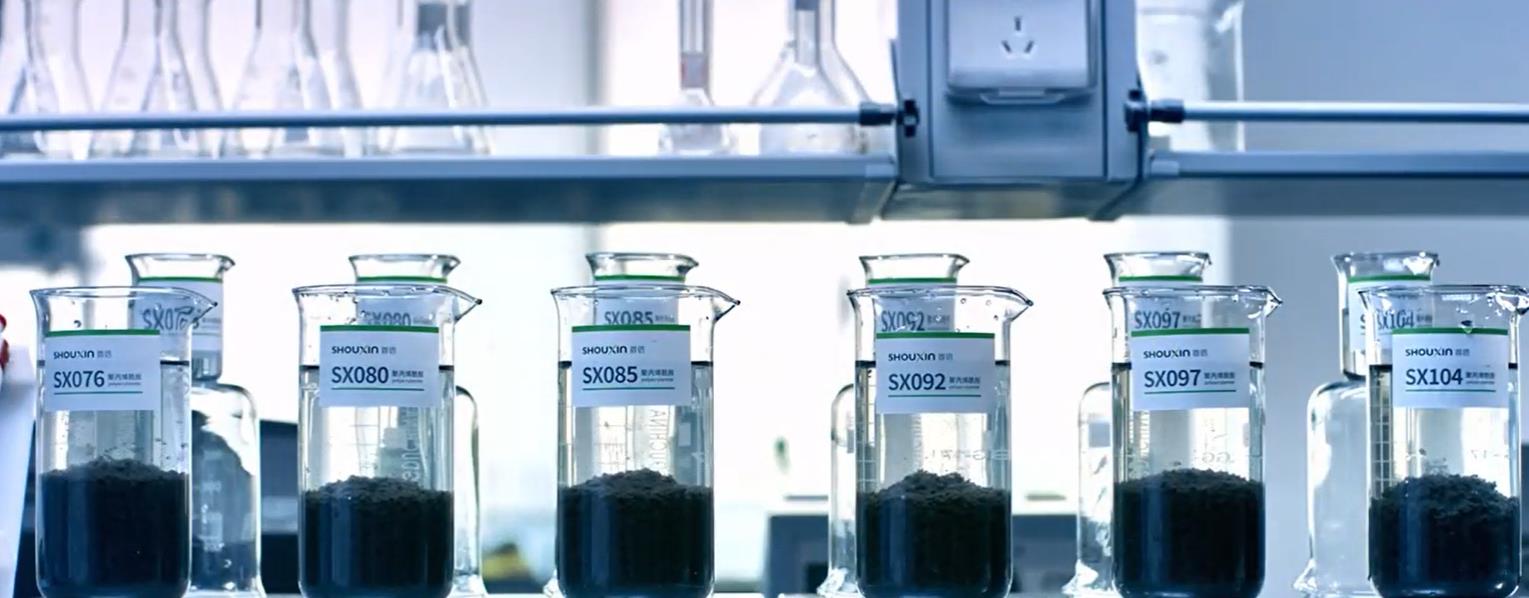
The team loaded a gas chromatograph (GC), GPS, power regulator, several portable computers with mobile modems, a Picarro flux analyzer, and a 30 foot customized air sampling port called an "air press" on the RV. The air sampling port is made of 4-inch ABS pipe protruding 10 feet in front of the RV. The challenge faced by the team is to prevent GC from being affected by ground and wall vibrations. To this end, the team transformed the large sleeper area into a temporary analytical chemistry laboratory and equipped gas cylinders and vacuum pumps in the closet. After a lot of repeated experiments, the team used a semi inflatable large air cushion and several double-layer waterproof cloths filled with Shutailong foam plastic filling particles, and placed plywood with "Dr. Scholl" type gel bracket under the GC leg, thus achieving vibration isolation. To complete the task, the team tied it together using elastic ropes and cords.
Once started and running, the team can obtain methane measurement results from GC every 50 seconds, while the Picarro flux analyzer records methane, carbon dioxide, and water vapor data at a frequency of 2 hertz. The measurement method used is to first identify methane characteristics using instruments and determine points of interest (methane hotspots) through visual recognition of geological or anthropogenic features. Then, using local wind and meteorological data retrieved from online websites, drive in the direction of increasing methane concentration until the source is found and confirmed.

During the journey, the group is able to continuously improve their methods and quickly adapt to changes in conditions. For example, after discovering that cars are a persistent source of methane, they adjusted their calibration schedule to measure during reduced traffic at night. Daniel also noticed that the synchronous carbon dioxide measurement function of the Picarro instrument plays an important role in identifying when car exhaust pollutes the air for sampling, which often leads to route changes. Similarly, when attempting background measurements in the Mojave Desert, they found that emissions from even the smallest towns with no more than 10 houses can cause repeated interruptions in the environmental background.
Due to driving a motorhome without the need to frequently stop to find a place to eat, use the restroom, or stay, the team achieved continuous measurements during the 11 day trek. In fact, measurement work is usually only paused when calibrating, filling gas cylinders, or repairing instrument problems. When the group encountered the situation of running out of gas cylinders in remote areas, they were fortunate enough to avoid a long delay. Airgas' Louisiana branch came to the rescue and changed the route of a batch of calibration gases originally intended for California, allowing the team to continue measurements. Throughout the entire journey, several researchers recorded over 6000 GC measurements and more than 40 hours of 2-Hz Picarro instrument data in southern California alone. However, the value of this trip lies not only in the amount of data collected. The dataset covers various sources of methane, including predictable anthropogenic sources such as refineries and cities, as well as natural sources such as wetlands.
Surprisingly, the methane measured during this trip came from natural sources. When the team went to the La Brea tar pit, although there was expected to be a clear methane signal, the amount of geological methane emissions escaping from the tar pit and its surrounding areas still exceeded expectations. According to the collected data, this may account for a quarter of the total in Los Angeles County. The measurement points of other reports include: the vertical atmospheric profile of the Los Angeles Basin obtained while driving through the San Bernardino Mountains; And the estimated emission intensity of three smoke passes during a large-scale forest fire in nearby Louisiana.
Dr. Leifer said about this experience, "Most people choose national parks when traveling by road, and we are crossing the industrial heartland of the United States, which is also wonderful. Compared to regular road trips, we must concentrate and pay close attention to the details of terrain, wind, and events. Such experiences allow us to see certain things from a new perspective, which most people would not normally think of
The team has submitted their research findings to the journal Atmospheric Environments for publication; In the second part of their special submission plan, they will compare and link their research results with satellite data (atmospheric mapping, scanning imaging, absorption spectroscopy, and greenhouse gas observation satellites). This trip was very successful, and the team has planned to travel to the Mackenzie Delta in the Canadian Arctic region for measurements in the summer, and may conduct another methane cross-section measurement on the North American continent in the autumn.

As Picarro's agent in China, Aibo Energy will strive to provide customers with excellent pre-sales consultation, after-sales technical support services, and recommend to customersSolution to address customer pain points.
You are welcome to contact us and follow the official account of iBonone WeChat to get more information about industry applications.