-
E-mail
13510810649@a163.com
- Phone
-
Address
No. 99, Xianyi District, Xiancun, Dalang Town, Dongguan City
Product Categories
Dongguan Tiantian Automation Equipment Co., Ltd

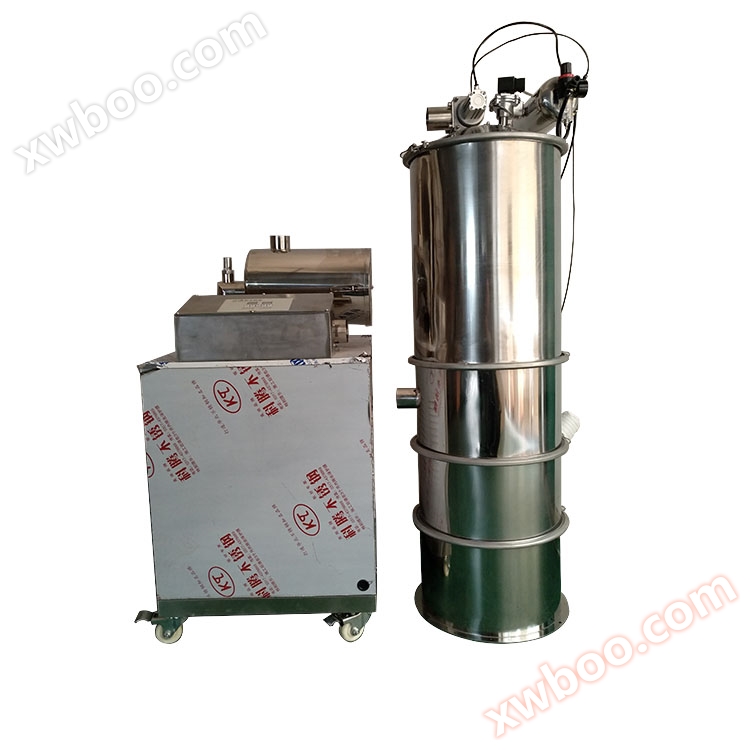
Weighing and feeding system
NegotiableUpdate on 07/17
- Model
- Nature of the Manufacturer
- Producers
- Product Category
- Place of Origin
Overview
Introduction to Weighing and Feeding System: Accurate material supply is crucial for ensuring product quality and improving production efficiency in industrial production
Product Details
Introduction to Weighing and Feeding System:
Accurate material supply is crucial for ensuring product quality and improving production efficiency in industrial production. The weighing and feeding system, as an efficient device, combines weighing technology and feeding technology to achieve accurate weighing and feeding of materials. This article will provide a detailed introduction to the working principle, structural composition, application areas, and advantages of the weighing and feeding system.
1、 Working principle:
The working principle of the weighing and feeding system is mainly divided into two processes: weighing and feeding. During the weighing process, the weighing sensor senses the weight of the material and transmits the data to the control system. The control system calculates the required material weight based on the preset supply amount and accurately weighs it through the weighing system. During the feeding process, the feeding system supplies materials to the production line or workstation at an appropriate speed and manner according to the instructions of the control system, achieving precise supply.
2、 Construction composition:
1. Weighing system: The weighing feeding system is equipped with precision weighing sensors and weighing devices for accurately measuring the weight of materials. Weighing sensors often use pressure sensors, resistance strain sensors, etc. By connecting the sensors to the control system, real-time weighing functions can be achieved.
2. Feeding system: The feeding system consists of conveying devices, control devices, etc. The conveying device is used to transport materials from the storage area to the feeding point. Common conveying devices include belt conveyors, pneumatic conveying systems, etc. The control device is used to control the operation of the feeding system, achieving precise supply control and automated supply.
3. Control system: The control system is the core part of the weighing and feeding system, which includes devices such as computers, PLC controllers, touch screens, etc. The control system is responsible for receiving data from the weighing sensors, calculating the supply amount, and controlling the operation of the feeding system. At the same time, the control system also has data recording and management functions, which can record the supply quantity and feeding process of each batch, facilitating quality control and traceability.
3、 Application areas:
The weighing and feeding system has been widely used in multiple industries, mainly including the following areas:
1. Automotive manufacturing industry: Weighing and feeding systems are used for material supply in automotive production lines. It can accurately measure and supply automotive parts, ensuring stable operation and efficient production of the production line.
2. Electronic manufacturing industry: In the manufacturing process of electronic products, weighing and feeding systems are widely used for material supply. It can accurately supply materials such as electronic components and semiconductors, ensuring the quality and stability of products.
3. Food processing industry: In the food production process, weighing and feeding systems are used for the supply of various raw materials. By precise weighing and supply, the taste and quality of food can be guaranteed.
4、 Advantages:
The weighing and feeding system has the following advantages compared to traditional manual feeding methods:
1. High precision: The weighing system can accurately measure the weight of materials, ensuring accurate and error free supply.
2. High degree of automation: The control system has achieved automated control, avoiding errors in manual operation and improving production efficiency.
3. Accurate supply control: The feeding system can supply materials to the production line or workstation in a precise manner, ensuring the accuracy and consistency of the supply.
4. Convenient quality control: The control system can record the supply quantity and feeding process of each batch, and provide quality control and traceability functions.
5. Cost saving: The weighing and feeding system can avoid waste and excessive supply, reduce material loss, and thus save costs.
Conclusion:
The weighing and feeding system, as an efficient and accurate material supply equipment, plays an important role in industrial production. It has advantages such as high precision, high degree of automation, precise supply control, convenient quality control, and cost savings. With the continuous advancement of technology, weighing and feeding systems will continue to grow and provide more efficient and accurate material supply solutions for industrial production.