-
Phone
18553291905
-
Address
No. 77 Chaoyangshan Road, Huangdao District, Qingdao City
Product Categories
Qingdao Traceability Environmental Protection Equipment Co., Ltd

Vacuum odor sampling bottle, vacuum bottle
NegotiableUpdate on 03/14
- Model
- Nature of the Manufacturer
- Producers
- Product Category
- Place of Origin
Overview
Vacuum odor sampling bottle, vacuum bottle
Product Details
Vacuum odor sampling bottle, vacuum bottle
Instantaneous unpowered sampler
1What are the current monitoring methods and regulations for odor pollution?Instantaneous unpowered sampler
Odor monitoring has a history of several decades. In 1993, the former Environmental Protection Bureau issued the "Emission of Odor Pollutants" (GB/T 14554-93), which stipulated emission limits for odor pollution sources. In the same year, the "Three point Comparative Stinky Bag Method for Determination of Odor in Air Quality" (GB/T 14675-93) was released, which stipulated the method for determining the concentration of odor in odor samples.
In November 2017, the Ministry of Environmental Protection issued the "Technical Specifications for the Construction of Odor Smell Laboratories" (HJ 865-2017), which stipulated the technical requirements for the site selection, layout, and internal design of odor smell laboratories.
In 2017, the Technical Specifications for Environmental Monitoring of Odor Pollution (HJ 905-2017) were released. At present, a relatively complete technical system has been initially formed regarding the emission of odors, monitoring methods, monitoring technology standards, and laboratory construction standards, and will continue to be improved in future development.
2. Satisfy the vacuum bottle in biao zhun
Material and CharacteristicsUsing high-quality high borosilicate 3.3 glass with an expansion coefficient of 3.3 ± 0.1 × 10⁻⁶/K, it has excellent acid, alkali, and water resistance, corrosion resistance, and good thermal stability, chemical stability, and electrical properties. Therefore, it has the characteristics of chemical resistance, thermal shock resistance, good mechanical properties, and high temperature resistance.
Sealing ports and valvesThe bottle mouth adopts food grade silicone stopper, which is non-toxic, odorless, soft, elastic, resistant to twisting and deformation, and has good sealing performance.
The valve door adopts imported PTFE threaded interface with extremely low friction coefficient. Each PTFE valve is equipped with 3 sealing rings to ensure sealing and corrosion resistance. It exhibits inertness to most chemicals, solvents and gases, and can withstand strong acids, alkalis, water and various organic solvents.
Instructions for useIn the laboratory, use a vacuum exhaust system to exhaust the sampling bottle until the pressure inside the bottle is close to negative 1.0 × 10⁵pa. During sampling, open the valve of the sampling bottle to allow the sample gas to be filled into the sampling bottle to atmospheric pressure. After tightening the bottle stopper, transport it back to the laboratory in the dark and measure it within 24 hours.
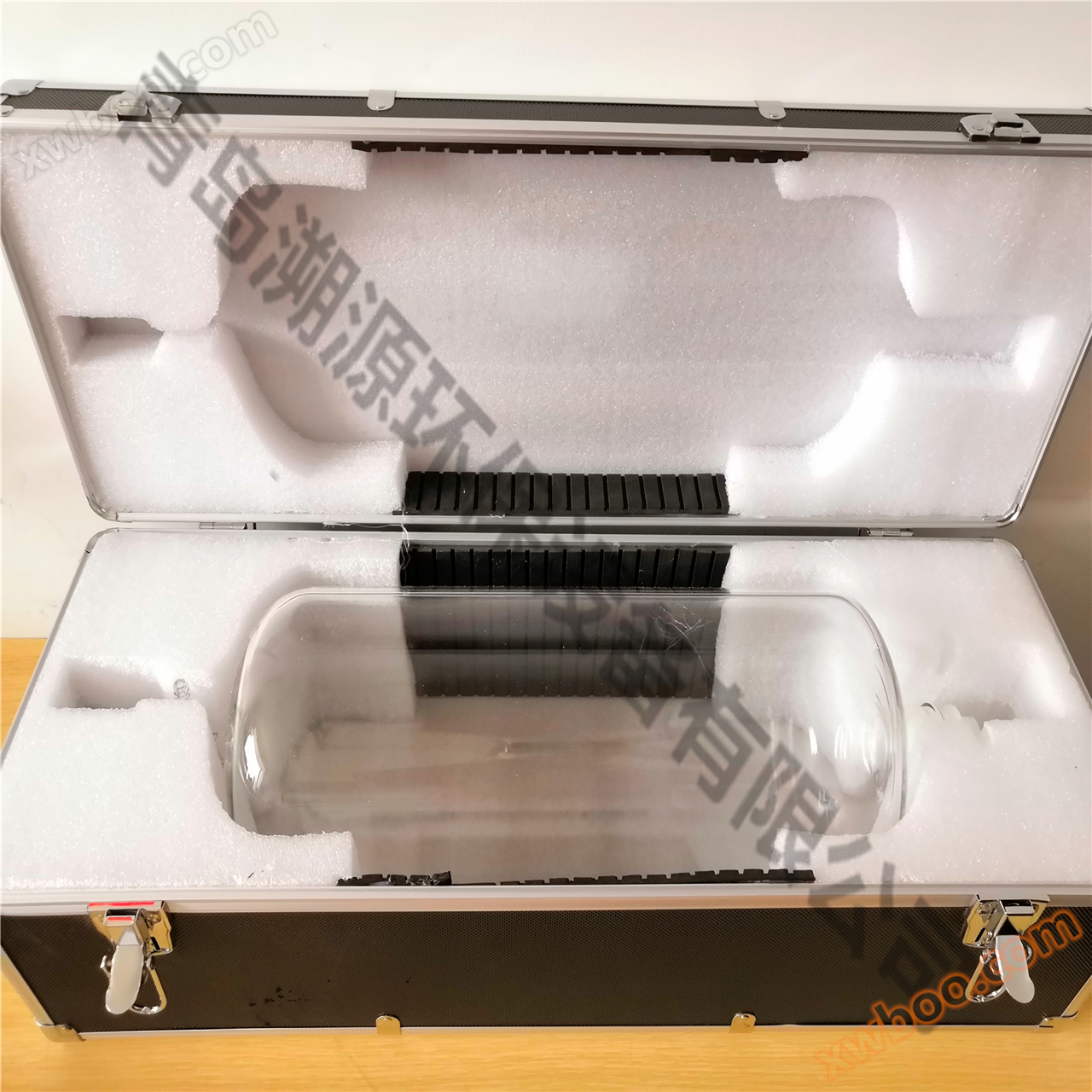
aluminum alloy case
Material: Aluminum alloy material as the skeleton, ABS、 MDF (medium fiber board), plywood (multi-layer board), etc. are used as panels, combined with accessories such as tees, mouth strips, handles, locks, etc
Specifications: 10L 1 piece/box, 5L 2 pieces/box, 3L 2 pieces/box, 1L 3 pieces/box
featureThe design structure is reasonable, the professional workmanship is meticulous, and the load-bearing capacity is strong, sturdy, and durable. It is aesthetically pleasing and can effectively protect the sampling bottle, making it convenient for sampling personnel to carry and transport.
3. Sample Display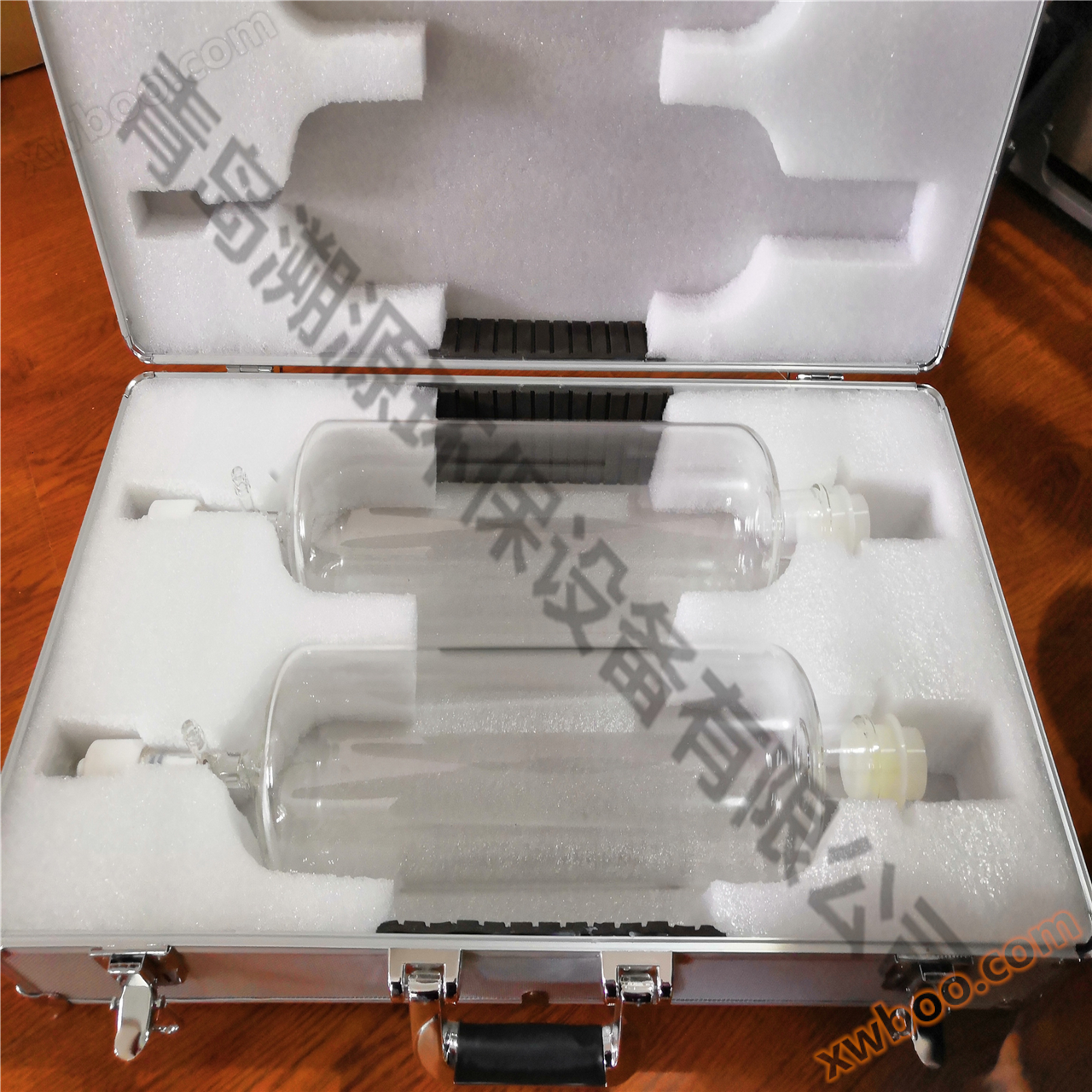
Similar Product Recommend


