- Phone
-
Address
128 Tongxing North Road, Beibei District, Chongqing
Product Categories
Chongqing Danduo Technology Co., Ltd

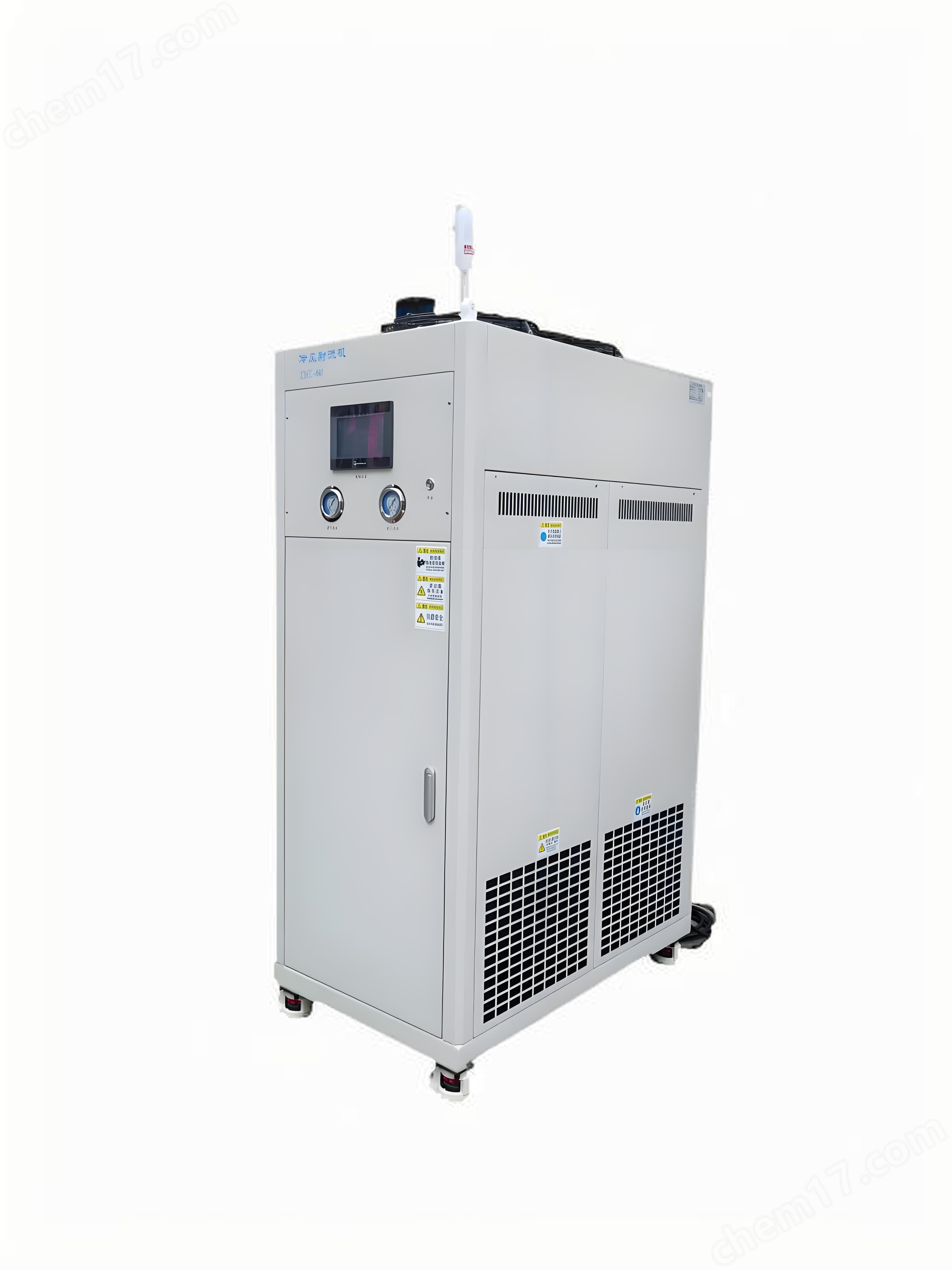
Ultra low temperature air rapid cooling process processing
NegotiableUpdate on 06/23
- Model
- Nature of the Manufacturer
- Producers
- Product Category
- Place of Origin
Overview
The ultra-low temperature air rapid cooling process achieves gas low-temperature conversion through compression, cooling, throttling, and evaporation steps. Combined with cascade or self cascade refrigeration systems, it optimizes low-temperature performance and requires strict monitoring of parameters such as temperature, pressure, and flow rate.
Product Details
Ultra low temperature air rapid cooling process processingUsing air as a coolant, it can be used as a cooler or a condenser. Air coolers are mainly composed of tube bundles, brackets, and fans. The hot fluid in the air cooler flows inside the tube, while the air blows outside the tube bundle. Due to the large amount of ventilation required for heat exchange and low air pressure, axial flow fans are often used (see fluid conveying machinery). The type and material of the tube bundle have a significant impact on the performance of the air cooler. Due to the small heat transfer coefficient on the air side, fins are often added to the tube to increase the heat transfer area and fluid turbulence, reducing thermal resistance. Most air coolers use radial fins. Light tubes with an outer diameter of 25mm, low fin tubes with a fin height of 12.5mm, and high fin tubes with a fin height of 16mm are commonly used in air coolers. Fins are generally made of materials with high thermal conductivity and wrapped or embedded onto light tubes. To enhance the heat transfer efficiency of the air cooler, water can be sprayed into the inlet air for humidification. This not only lowers the air temperature but also increases the heat transfer coefficient. The use of air coolers can save a large amount of industrial water, reduce environmental pollution, and lower infrastructure costs. Especially in water scarce areas, replacing water cooling with air cooling can alleviate the contradiction of insufficient water sources
Gas low-temperature conversion is achieved through steps such as compression, cooling, throttling, and evaporation. Combined with cascade or self cascade refrigeration systems, low-temperature performance is optimized, and temperature, pressure, and flow parameters need to be strictly monitored.
Ultra low temperature air rapid cooling process processingCore process
Compressed gas:
Compress the gas to be cooled (such as air) through a compressor to achieve the desired pressure. This step increases the interaction force between gas molecules, creating conditions for subsequent cooling steps.
Cooling treatment:
Cool the compressed gas through a condenser or refrigeration unit. The condenser utilizes the principles of coolant flow and heat exchange to gradually lower the temperature of the gas.
The refrigeration unit uses devices such as compressors and expansion valves to circulate the gas multiple times, gradually reducing the temperature. In some cases, a cascade refrigeration system may be used, which consists of two independent compression refrigeration cycles, divided into high and low temperature cycles, connected to each other through a condensing evaporator to achieve lower refrigeration temperatures.
Throttling and evaporation:
The cooled gas is throttled through an expansion valve to reduce its pressure and further decrease its temperature.
Subsequently, the gas enters the evaporator, where it absorbs heat and evaporates, thereby achieving a cooling effect. In ultra-low temperature applications, evaporators may adopt special structural designs to improve heat transfer efficiency.
Refrigeration system selection:
Cascade refrigeration system: suitable for situations where extremely low temperatures (such as below -60 ℃) need to be produced. The system achieves a significant reduction in refrigeration temperature through the combination of high-temperature and low-temperature cycles.
Self cascade refrigeration system: compresses two or more refrigerant vapors through a compressor, utilizing the different boiling points of non azeotropic mixtures at the same pressure to achieve the goal of producing low temperatures. This method simplifies the refrigeration system, reduces the volume of the refrigeration device, and is suitable for small refrigeration devices.
Mainly used in machine tool cutting processes, with the aim of improving product processing technology and increasing processing efficiency through low-temperature cold air
|
Main technical parameters
| ||||
|
model
|
THL-30-2
|
THL-60-1
|
Non-standard customization
| |
|
air flow
|
0.5~2m³/min
|
0.5~1.5m³/min
| ||
|
performance
|
temperature range
|
-Adjustable from 10 to -30 ℃
|
-Adjustable from 35 to -70 ℃
| |
|
temperature deviation
|
<±2℃
| |||
|
cooling rate
|
<10min
| |||
|
Continuous performance
|
24H
| |||
|
Input medium
|
Low dew point compressed air/nitrogen
| |||
|
Input pressure
|
>0.5MPa
| |||
|
output pressure
|
Adjustable from 0.1 to 0.3 MPa
| |||
|
Power KW
|
2KW
|
4.5KW
| ||
|
Applicable power supply
|
380V、50HZ
| |||
|
external dimensions
|
D
|
650
|
850
| |
|
W
|
580
|
580
| ||
|
H
|
1550
|
1750
| ||
|
Standard Configuration
|
1 set of 5-meter transmission hose and jet nozzle
| |||
Similar Product Recommend

