- Phone
-
Address
5440 Songjin Road, Jinshan District
Product Categories
Shanghai Yanzheng Experimental Instrument Co., Ltd
Rock characterization instrument high temperature and high pressure reactor
NegotiableUpdate on 05/06
- Model
- Nature of the Manufacturer
- Producers
- Product Category
- Place of Origin
Overview
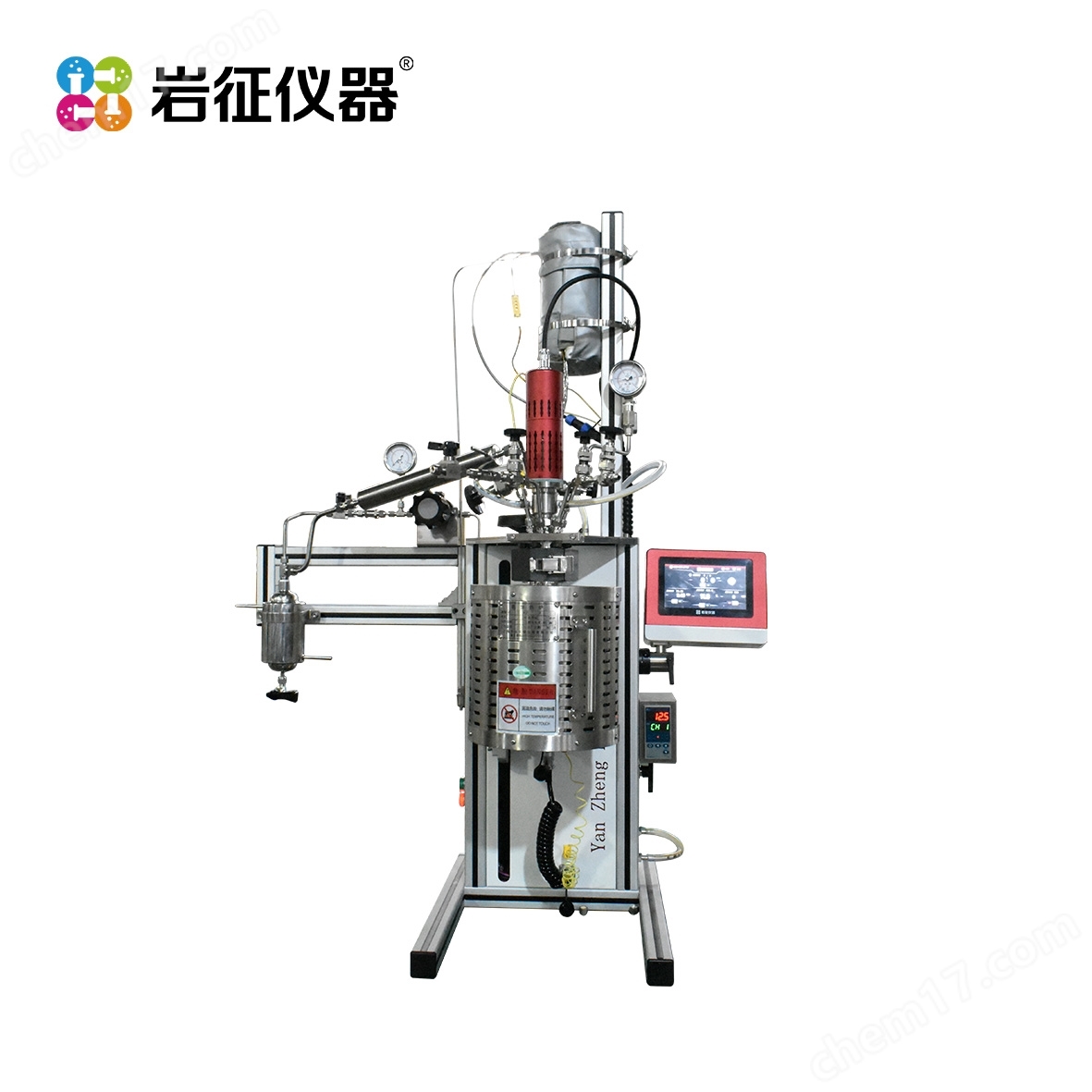
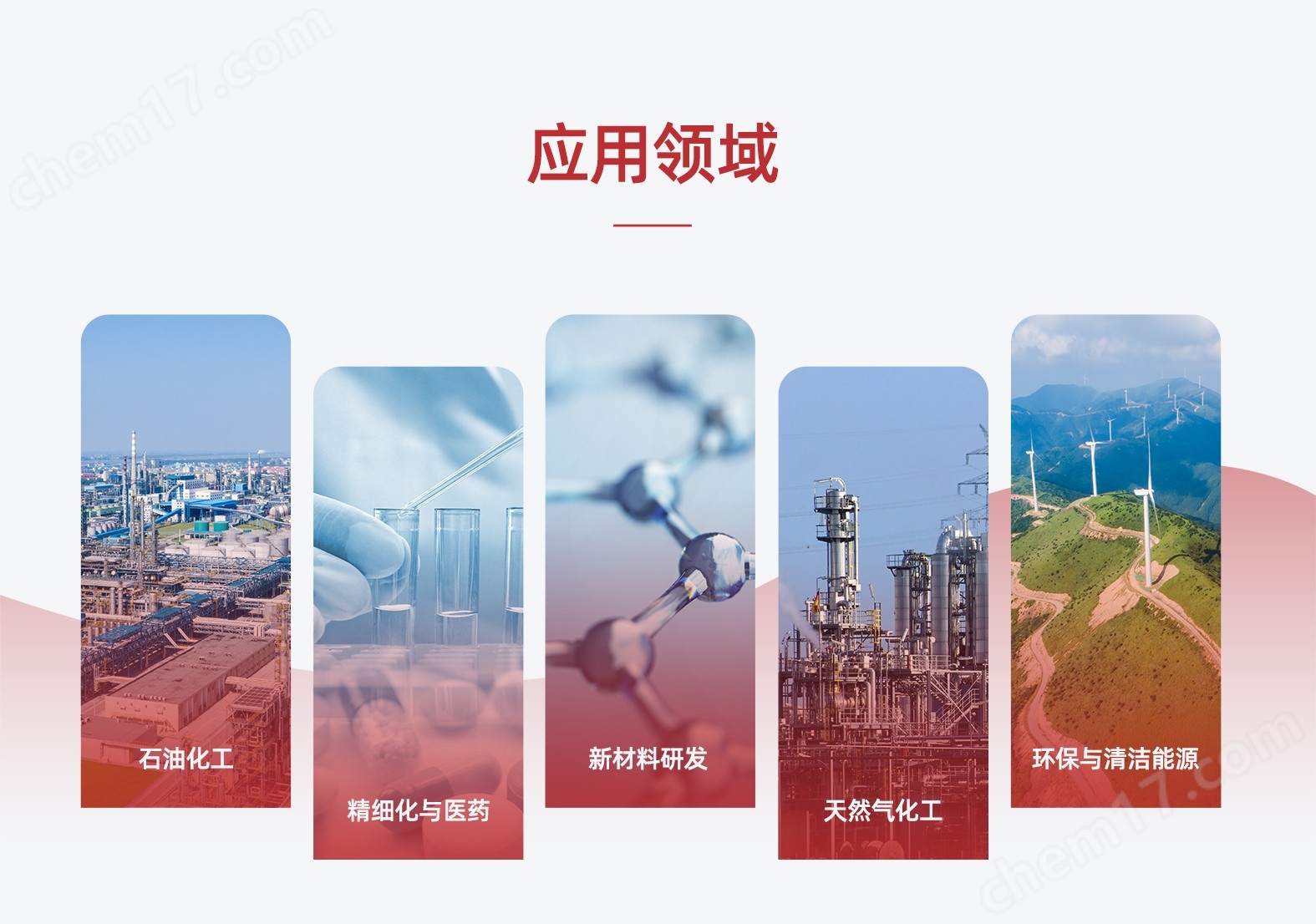
The rock instrument high-temperature and high-pressure reaction kettle is mainly used in the petroleum refining industry, consisting of a kettle body, stirring device, heat transfer device, sealing device, and control system. Its characteristics are that it can withstand high temperature, high pressure, and highly corrosive media, and has the characteristics of large processing capacity, strict operating conditions, high degree of automation, and high safety requirements.
Product Details
Rock characterization instrument high temperature and high pressure reactorIt is a key equipment in the process of petroleum refining.
Structure and Characteristics
structure
The high-temperature and high-pressure reactor consists of five core components: the reactor body, stirring device, heat transfer device, sealing device, and control system.
The kettle body is made of high-strength, corrosion-resistant alloy steel or stainless steel to ensure stable operation in high temperature, high pressure, and highly corrosive media environments.
The stirring device is used to thoroughly mix the reactants, improve reaction rate and uniformity.
The heat transfer device heats or cools the reactants through a jacket or built-in coil, accurately controlling the reaction temperature.
The sealing device ensures the sealing of the reaction vessel and prevents material leakage.
The control system is used to monitor and control key parameters such as temperature, pressure, and stirring speed of the reaction.
characteristic
The petroleum refining reaction kettle has the characteristics of large processing capacity, strict operating conditions, high degree of automation, and high safety requirements.
Equipment design, manufacturing, and operation strictly adhere to safety standards and regulations to ensure the safety and reliability of the production process.
Type and principle
type
According to the reaction type and process requirements, petroleum refining reactors can be divided into various types such as hydrogenation reactors, cracking reactors, reforming reactors, isomerization reactors, etc.
principle
Taking the hydrogenation reactor as an example, its principle is to use a catalyst to react impurities in the oil with hydrogen gas under high temperature, high pressure, and the presence of hydrogen gas, generating small molecule substances such as hydrogen sulfide, ammonia, water, etc., thereby purifying the oil.
The cracking reactor, under the action of high temperature and catalyst, breaks down heavy oil molecules into light oil molecules, thereby increasing the yield of light oil.
Rock characterization instrument high temperature and high pressure reactorapplication
Hydrorefining
Used for hydrogenation refining of gasoline, diesel, lubricating oil and other oil products, improving oil quality and performance, meeting environmental protection and market demand.
Hydrocracking
Convert heavy oil into light oil to produce high-value products such as aviation kerosene, diesel, and naphtha.
catalytic reforming
Convert naphtha into high octane gasoline components and aromatic hydrocarbons to improve the anti knock performance and aromatic hydrocarbon production of gasoline.
isomerization
Convert n-alkanes into isoparaffins to increase the octane rating of gasoline.




Similar Product Recommend