- Phone
-
Address
5440 Songjin Road, Jinshan District
Product Categories
Shanghai Yanzheng Experimental Instrument Co., Ltd
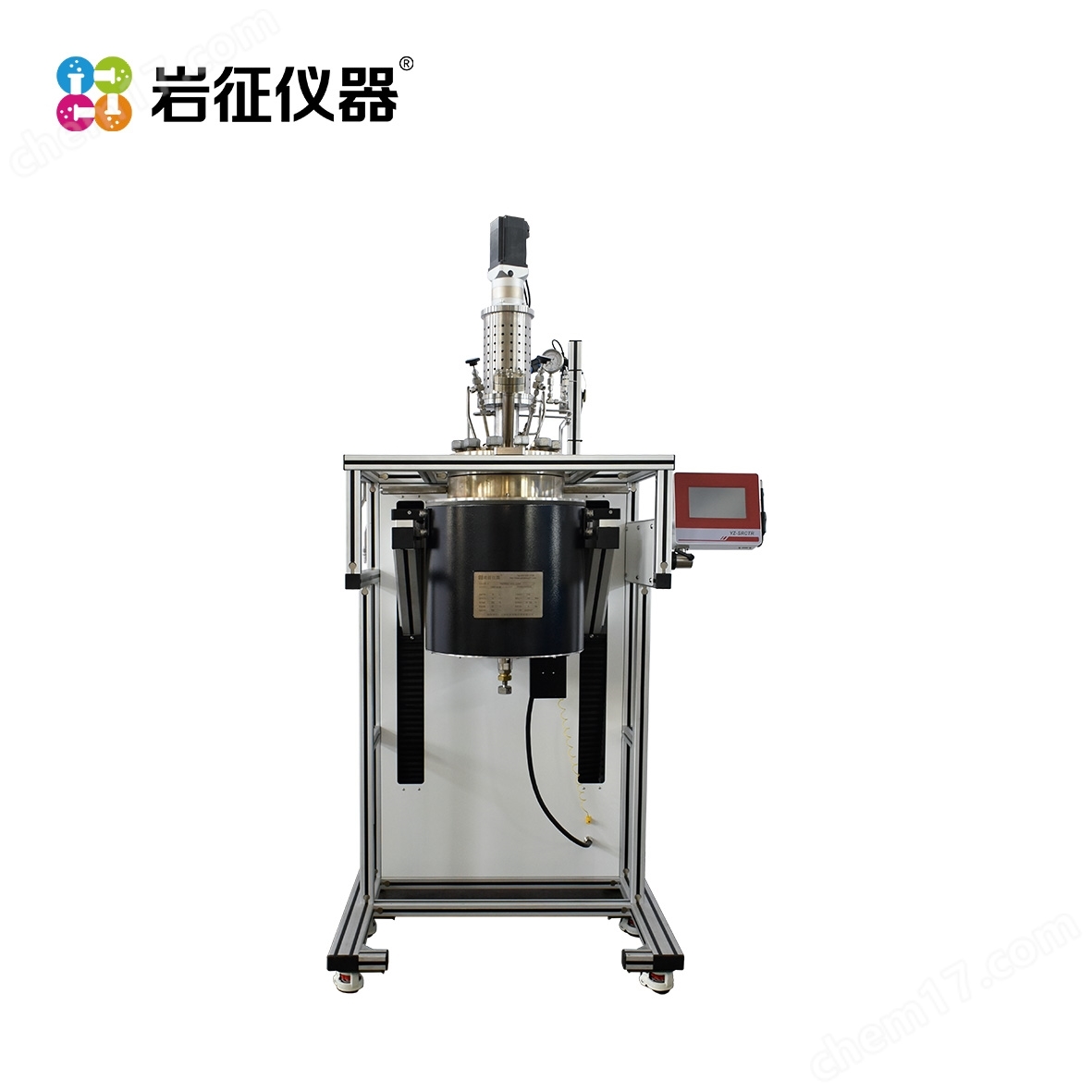
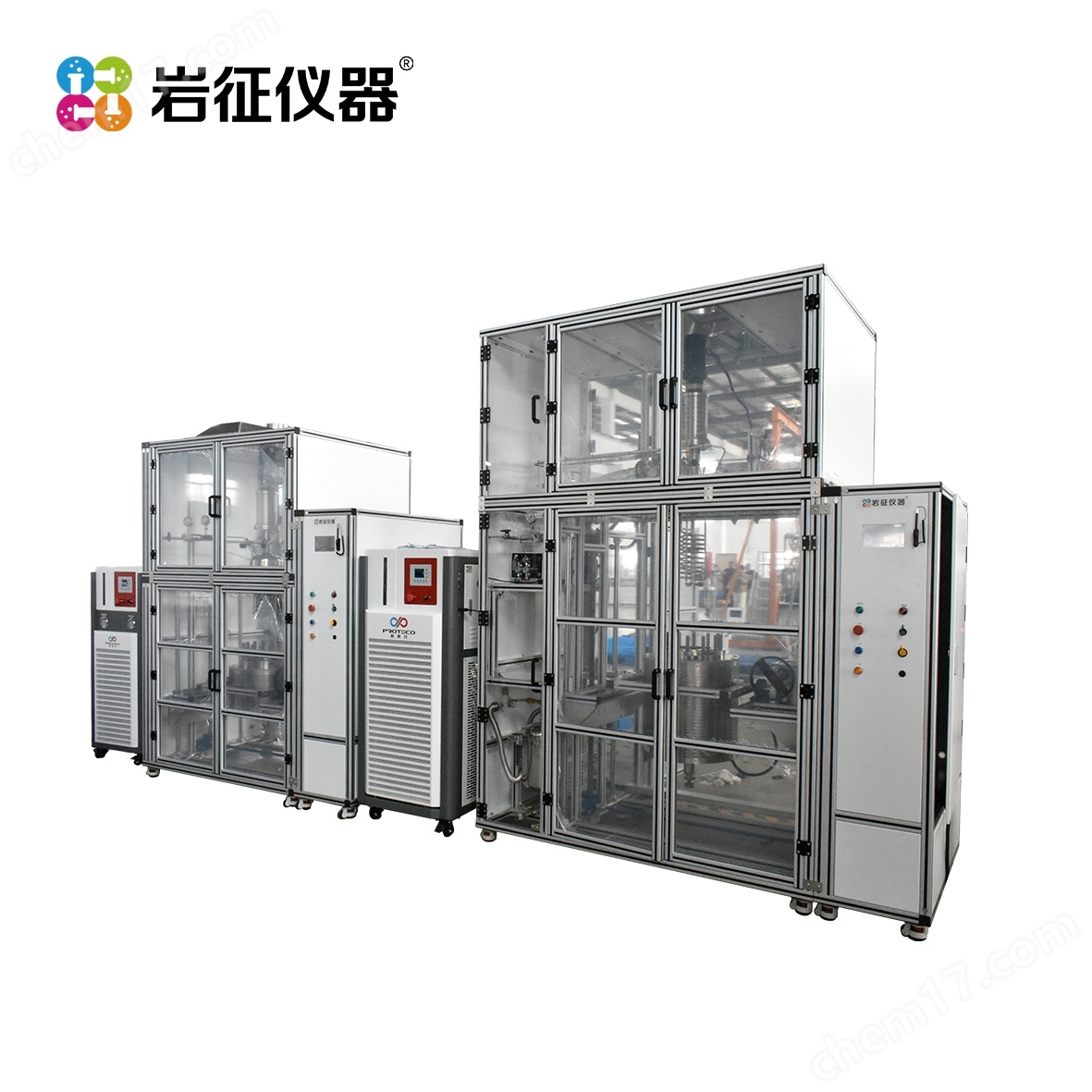
Rock characterization instrument 10L lifting high-pressure (hydrothermal) reactor
NegotiableUpdate on 05/06
- Model
- Nature of the Manufacturer
- Producers
- Product Category
- Place of Origin
Overview
The rock characterization instrument 10L lifting high-pressure (hydrothermal) reaction kettle is a high-pressure reaction equipment designed specifically for hydrothermal reactions, suitable for laboratory small-scale synthesis, sample preparation, and basic scientific research.
Product Details
Rock characterization instrument 10L lifting high-pressure (hydrothermal) reactorIt is a container for conducting chemical reactions in a high-temperature and high-pressure sealed environment, widely used in materials science, chemistry, geology, environmental science and other fields, especially suitable for preparing nanomaterials, ceramic powders, inorganic compounds, etc. The following provides a detailed introduction from the aspects of structure, working principle, application scenarios, and usage precautions:
1、 Basic structure
The hydrothermal synthesis reactor usually consists of two parts: the reactor body and the reactor cover. The core structure includes:
Inner liner: In direct contact with reaction materials, it needs to be resistant to acid and alkali, high temperature and high pressure. Commonly used materials are polytetrafluoroethylene (PTFE, temperature resistance ≤ 200 ℃), para polystyrene (PPL, temperature resistance ≤ 260 ℃) or metal (such as stainless steel, suitable for higher temperatures or special reactions).
Outer kettle: provides rigid support and pressure resistance protection, generally made of 304 or 316 stainless steel material, capable of withstanding pressures of 10-30MPa.
Sealing structure: Sealing is achieved through threaded fit or flange connection, and some models are equipped with silicone sealing rings to assist in sealing, ensuring no leakage during the reaction process.
Safety device: Some models are equipped with explosion-proof discs or pressure warning devices to prevent explosions caused by excessive pressure.
2、 Working principle
The core of hydrothermal synthesis reactor is to utilize the principle of hydrothermal/solvothermal reaction:
Add reactants (solid, liquid, or gas) and solvents (water, organic solvents, etc.) in proportion to the inner container, seal it, and place it in an oven or heating device.
During the heating process, the solvent inside the kettle evaporates, and the pressure increases with the temperature (for example, the pressure of water is about 0.1MPa at 100 ℃ and can reach 1.5MPa at 200 ℃).
The high temperature and high pressure environment causes typically insoluble substances to dissolve and crystallize again, or promotes chemical reactions of reactants to produce products with specific structures and properties (such as nanoparticles, single crystals, thin films, etc.).
This environment can break through the kinetic barriers of conventional reactions, accelerate reaction rates, and produce products with high purity, uniform particle size, and less likely to introduce impurities.
3、 Main types
According to volume, sealing method, and application scenarios, it can be divided into the following categories:
By volume: Micro (5-50mL, suitable for laboratory trials), Medium (100-500mL, for pilot or batch preparation), Large (1L or more, for industrial production).
According to the sealing method:
Threaded sealing type: simple structure, easy operation, suitable for low-pressure reactions (≤ 10MPa).
Flange sealing type: By tightening the flange with bolts, it has stronger sealing performance and can withstand higher pressures (10-30MPa).
According to the heating method: external heating devices (such as ovens, muffle ovens, microwave reactors) need to be used, and some specialized models can integrate heating modules.
4、 Typical application scenarios
Material preparation:
Nanomaterials such as TiO ₂ ZnO、 Quantum dots, etc., regulate particle size and morphology by controlling temperature, pressure, and reaction time.
Ceramic powder: Preparation of ultrafine powders such as zirconia and alumina for ceramic sintering.
Single crystal growth: synthesis of gemstones (such as artificial crystals) and functional crystals (such as piezoelectric crystals).
Chemical synthesis:
Organic reaction: hydrogenation, oxidation and other reactions are carried out under high pressure to improve conversion rate.
Inorganic synthesis: preparation of molecular sieves, metal oxide composites, etc.
Sample pre-treatment:
Environmental monitoring: Dissolve heavy metal ions in soil and water samples for subsequent detection.
Food analysis: Processing organic matter in samples and extracting target components.
Rock characterization instrument 10L lifting high-pressure (hydrothermal) reactor



Similar Product Recommend