- Phone
-
Address
Shengli Street Park Committee, Baita District
Product Categories
Liaoyang Kexing Instrument Co., Ltd

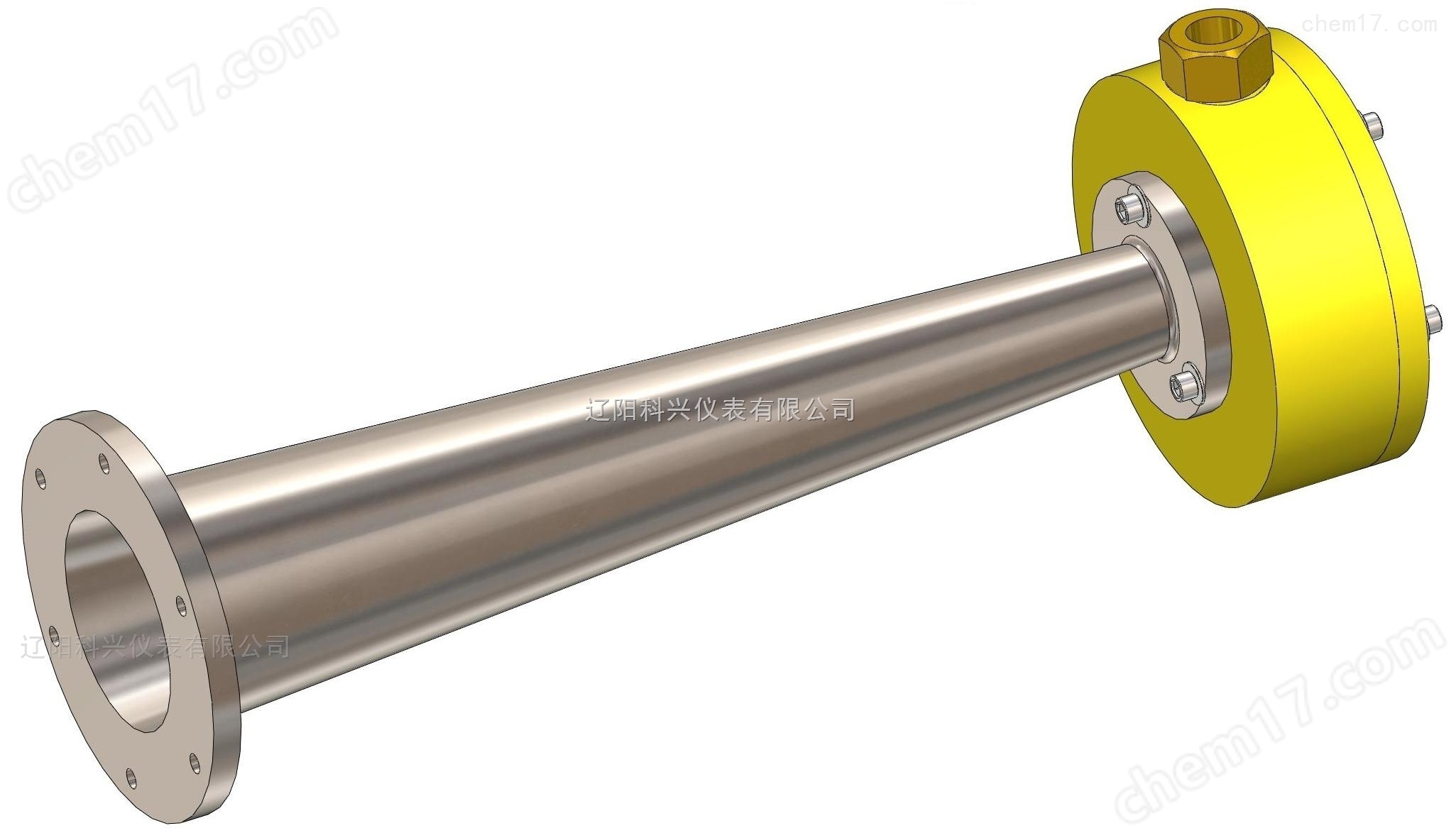
Preheater skin cleaning (using acoustic horn)
NegotiableUpdate on 05/24
- Model
- Nature of the Manufacturer
- Producers
- Product Category
- Place of Origin
Overview
Clear the crust on the slope of the flue chamber of the preheater feeding tube (using a sonic horn), smash the surface lumps of the equipment, and remove the ash crust on the surface of the equipment
Product Details
Use a sonic horn to clean the crust of the preheater without applying stress to the equipment for dust removal. Crush dry particles to prevent skinning.
Technical parameters: The equipment requires compressed air greater than 0.62mpa and a 220 power supply
Common distribution characteristics of crust areas 1.1.1 Frequent crust areas ① Kiln tail smoke chamber and rising flue area, where the temperature is 1000-1200 ℃, the crust material is relatively hard and porous. ② In the area of the final cyclone tube and its discharge pipeline, at 820-900 ℃, there are mostly hard lumps and crusts. When coal combustion is not sufficient, the frequency of crust formation is high. The area of the intermediate zone decomposition furnace wall, the inner wall of the final stage cyclone tube, and the feeding pipe of the second final stage cyclone tube in the crust layer is relatively loose. 750-870 ℃. 1.1.3 Slight crust formation in the cyclone tubes C2 and C3 above the second stage, with slight occurrence of kiln solid blocks and layered structure at 600-800 ℃
Definition and hazards of preheater crust formation
Kiln Inlet:Acoustic cleaners prevent particulate build up and these benefits could be applied at the kiln inlet to help prevent nose ring formation
Similar Product Recommend