- Phone
-
Address
Shengli Street Park Committee, Baita District
Product Categories
Liaoyang Kexing Instrument Co., Ltd

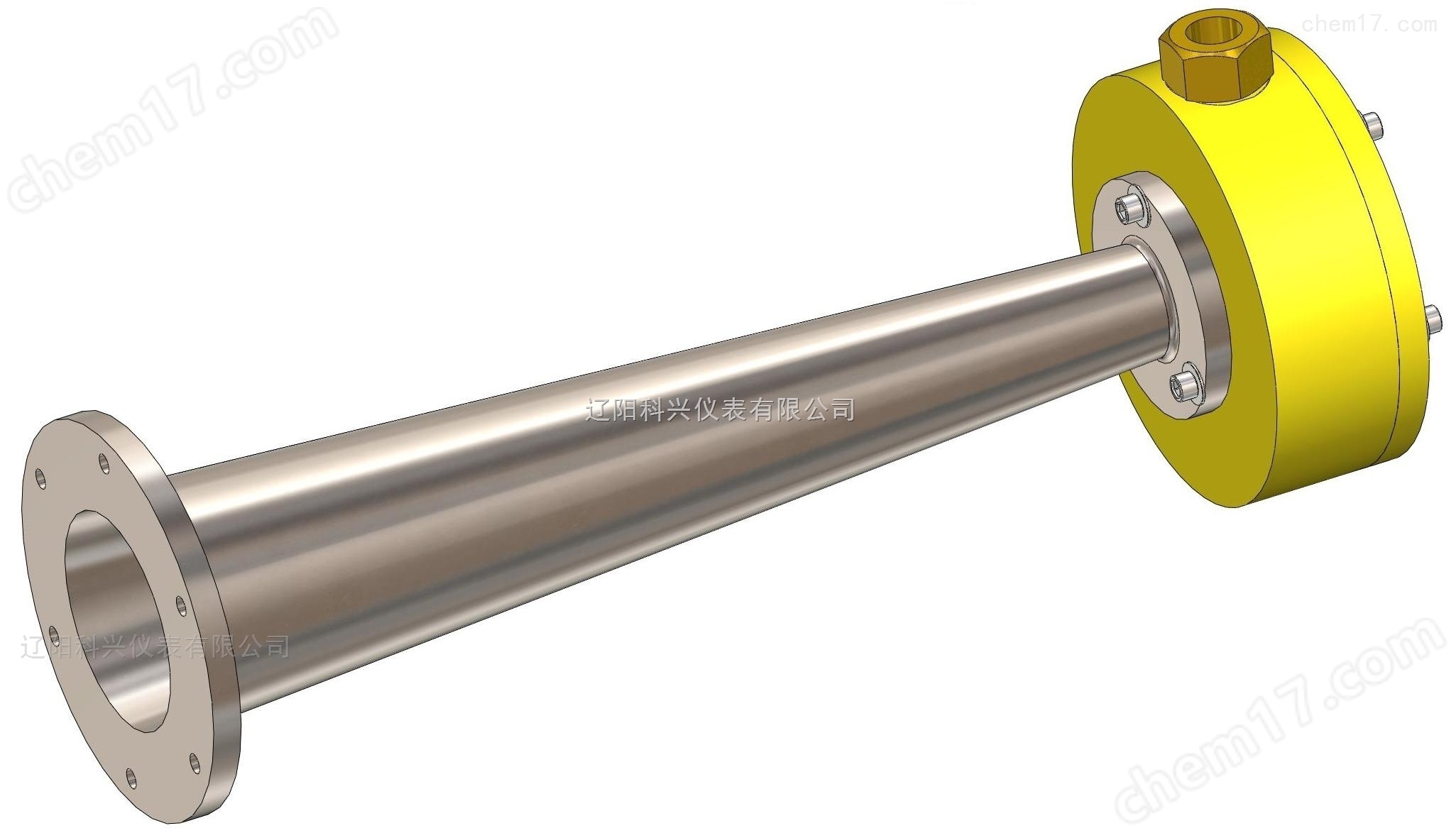
Acoustic horn for silo cleaning
NegotiableUpdate on 05/18
- Model
- Nature of the Manufacturer
- Producers
- Product Category
- Place of Origin
Overview
The silo is stuck on the wall for cleaning, but the material flow is not smooth and the powder material is blocked. Using a vibration motor and air hammer cannot solve this problem, but using a sonic horn can break up the clumps
Product Details
Working principle: It has been found in some studies, such as acoustic cleaning systems,Its fundamental frequency range is 60-420Hz, operating at frequencies much higher than the natural frequency of the silo structure,Can prevent vibration/structural damage caused by resonance.
At this point, the sound under pressure level is directly focused onto the bulk material, used to break the adhesive and bond between the particles of the bulk material and between the particles and the silo wall. Effect manifestation: High frequency sound waves can effectively overcome the cohesive force between particles and the adhesion force between particles and the silo wall, making it easier for materials to flow, reducing the phenomenon of materials hanging on the silo wall, and maintaining maximum continuous material flow. For example, in silos containing dry materials such as cement, the system successfully prevents materials from hanging up and ensures smooth flow of materials.
Before installing the sonic horn cleaning system, the effective way for users to clean the silo is to use high-pressure water guns, but this not only requires large-scale shutdown, but also generates sewage problems. After installing the acoustic cleaning system, the material accumulation that has been attached to the side wall of the silo for a long time is quickly removed, and there is no longer a need for laborious high-pressure water gun cleaning, solving the previous pain points.
Traditional cleaning methods vs. acoustic cleaning systems
The core value of user feedback is to address efficiency and cost issues: The acoustic system avoids the time and cost losses caused by traditional methods such as downtime and sewage treatment through non-contact cleaning (using sound wave vibration), making it suitable for scenarios that require continuous production (such as silo cleaning in industries such as grain and chemical). Technological substitutability advantage: It clearly states that "eliminated the need for..." for high-pressure water gun cleaning systems, indicating that the system has effectively replaced traditional solutions in terms of functionality and achieved better results. The ability to handle long-term accumulation: emphasizing the removal effect of "existing long term, material build up", proving its suitability for the renovation of old equipment with severe accumulation. Based on feedback, the Audiosonic system may be suitable for the following scenarios: grain storage, silo/bin cleaning in the feed processing industry; Anti scaling treatment of powder storage tanks in industries such as chemical and cement; Avoid water pollution or industrial environments that require continuous production.
Similar Product Recommend