- Phone
-
Address
9th Floor, Building 3, Tengfei Technology Building, No. 111 Xiangke Road, Pudong New Area, Shanghai
Product Categories
Shanghai Weichi Instrument Co., Ltd

Omnipotent Imaging System ChemiDoc MP BioRad Bole
NegotiableUpdate on 06/28
- Model
- Nature of the Manufacturer
- Producers
- Product Category
- Place of Origin
Overview
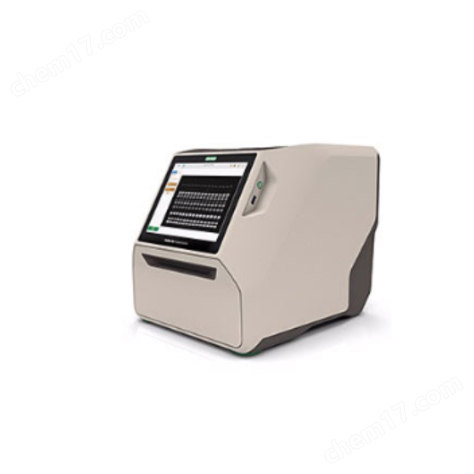
ChemiDoc MP imaging system is a full-featured instrument for imaging and analyzing gel and protein imprinting. It aims to meet the requirements of multiple fluorescent protein imprinting, chemiluminescence detection, conventional gel imaging applications and dye free technology imaging.
Product Details
Product Parameters
ChemiDoc MP imaging system is a full-featured instrument for imaging and analyzing gel and protein imprinting. It aims to meet the requirements of multiple fluorescent protein imprinting, chemiluminescence detection, conventional gel imaging applications and dye free technology imaging.
Product Features

Features and advantages
Multifunctional integrated flexible imaging enables accurate and repeatable fluorescence, chemiluminescence, colorimetric gel and imprint detection, analysis, storage and archiving in a single system.
Enhance your imaging capabilities with ChemiDoc MP and enjoy the advantages of using a wider range of fluorescent reporter groups (RGB, far red light, and near-infrared light), including StarBright fluorescent dyes; Please refer to the compatibility chart of fluorescent dyes
Multiple fluorescent protein blotting can simultaneously detect up to three proteins without the need for dissection and re hybridization.
Easy to use, its features include automatic selection of the best light source based on the application, autofocus, auto exposure, and preview functions, ensuring the best image. With the help of the screen, you can learn how to use it within a few minutes.
Immunostain protein normalization Immunostain imaging allows the total protein in gel and imprinted membrane to be banded and normalized; No need for housekeeping protein
Sample tray and intelligent tray technology provide three types of sample trays to cover various imaging applications. Intelligent tray technology can automatically identify trays for specific applications and adjust imaging parameters and software options accordingly.
Provide installation/operation certification kits to ensure proper installation and calibration in highly regulated laboratory environments.
Using the ChemiDoc MP system for stain free protein imprinting experiments, it is possible to quickly evaluate the quality of electrophoresis and transfer printing before imprinting treatment, and to perform total protein normalization and multiplex analysis using various fluorescent dyes.
One instrument with multiple functions: Traditional imaging systems often cannot simultaneously perform both chemiluminescence and fluorescence imaging functions.

More flexible dye selection: The system supports detection of multiple fluorescent labeled antibodies and can simultaneously detect up to three proteins on a single imprinting membrane.

Beyond your traditional definition of software: Image Lab Touch software.

Scenario Application
Electrophoresis: protein (including stain free) and nucleic acid gel imaging and storage archiving.
Imprint: Identification and quantification of proteins, nucleic acids, protein ligand interactions, etc. using fluorescence, chemiluminescence, or colorimetric detection.
Similar Product Recommend