-
E-mail
yangli@goyojo.com
-
Phone
18961848055
-
Address
Room 802, Building 2, No. 21 Laodong West Road, Changzhou City
Product Categories
Miland Instrument Technology (Jiangsu) Co., Ltd
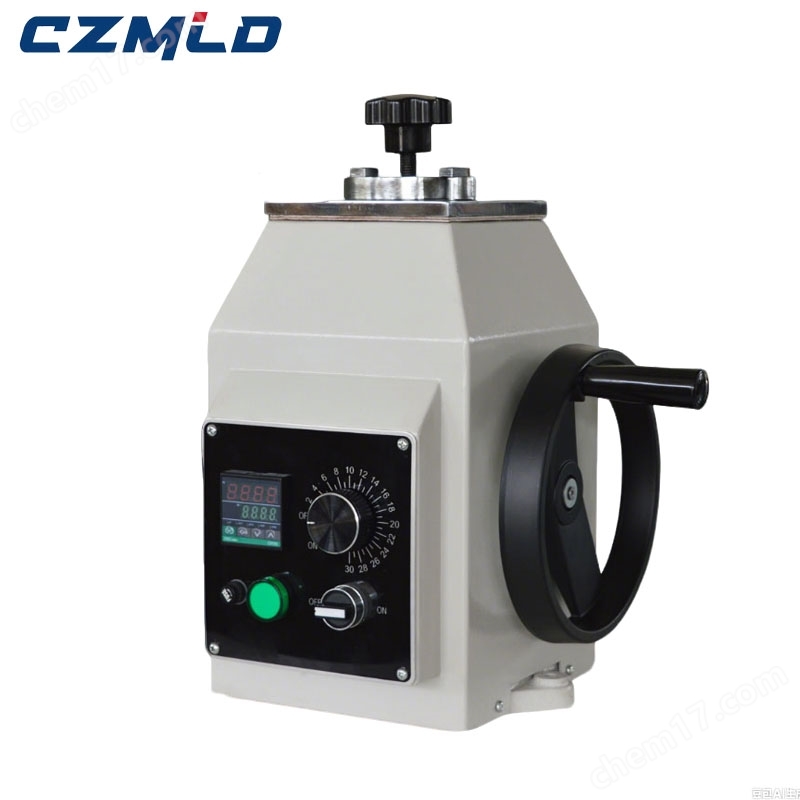
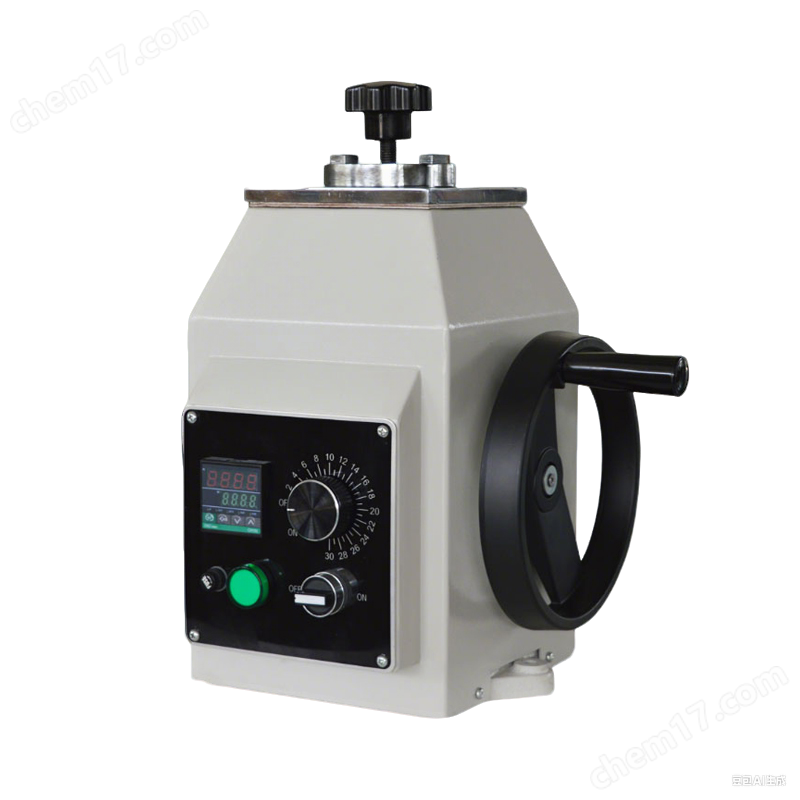
Metallographic specimen embedding machine
NegotiableUpdate on 02/09
- Model
- Nature of the Manufacturer
- Producers
- Product Category
- Place of Origin
Overview
The metallographic specimen embedding machine uses precise mechanical and temperature control systems to "shape" disordered original samples into standard test blocks, greatly simplifying subsequent processes and ensuring the authenticity and accuracy of the final microstructure observation results through edge protection and consistency. It is a key equipment in materials science research, quality control, and failure analysis.
Product Details
In metallographic analysis, we often need to observe the microstructure inside the material, such as grain size, phase distribution, defects, etc. However, many of the samples to be tested are too small in size, irregular in shape, too soft in texture, or extremely fragile, making it almost impossible to carry out subsequent grinding and polishing processes directly by hand. At this point, the metallographic specimen embedding machine becomes the key equipment to solve this problem. It encapsulates these "difficult to handle" samples into standard and regular test blocks, laying the foundation for obtaining real and clear microstructure images.
The metallographic specimen embedding machine belongs to the process before grinding and polishing. It is used to embed small, difficult to handle or irregular metallographic and lithological specimens. After embedding, it is easy to perform grinding and polishing operations on the specimens, and it is also beneficial to correctly observe the material structure under the metallographic microscope and test the hardness of the material on the hardness tester
The metallographic specimen embedding machine adopts manual mechanical pressurization, and the heating temperature is controlled by a digital temperature controller. It has stable and reliable performance, easy operation, and is suitable for specimen embedding. This machine's inlay material is limited to thermosetting materials, and the pressing temperature for different thermosetting materials can be adjusted and customized according to the material. Adopting hand cranked mechanical pressurization, the heating temperature is controlled by a digital temperature controller, with stable and reliable performance, easy operation, and sample embedding.
Technical Specifications:
| name | Specifications |
| Mold specifications | Standard configuration: φ 30 (optional: φ 22, φ 45), special customization available |
| power | 400W |
| power supply | Voltage: 220V Frequency: 50HZ |
| Overall dimensions | 330X250X370 |
| Timed interval | 0-30 minutes |
| Wooden box dimensions | 350X335X540 |
| weight | 30KG |
The metallographic specimen embedding machine is widely used in all fields that require microstructure analysis:
1. Small parts: electronic component pins, micro gears, thin sheets, wire materials.
2. Samples that require edge protection: plating, coating, nitriding/carburizing layer, thermal spraying samples.
3. Fragile or porous materials: sintered metal, ceramics, metal foam, casting defect samples.
4. Failure analysis: For fractured fragments and cracked parts, it is necessary to observe the origin and path of the cracks.
Selection and usage points:
1. Select the type based on the characteristics of the sample:
For most conventional metal samples that require high efficiency and excellent edge protection, hot press inlaying machines are preferred.
For samples that are sensitive to heat, pressure, or have extremely complex porous structures, choose cold embedding.
2. Consider the degree of automation:
Manual/semi-automatic inlay machine: Low price, suitable for laboratories with small sample sizes and limited budgets.
Fully automatic inlay machine: high efficiency, good reproducibility, safe operation, suitable for laboratories with high requirements for batch testing and standardization.
Focus on key parameters: maximum pressure, temperature range, and insert block size specifications.
3. The selection of inlay materials is crucial:
Glue wood powder: commonly used, high hardness, wear-resistant, opaque.
Epoxy resin powder: low shrinkage, transparent or semi transparent, can be used for porous samples.
Acrylic resin (acrylic): fast curing, transparent, but relatively soft.