- Phone
-
Address
128 Tongxing North Road, Beibei District, Chongqing
Product Categories
Chongqing Danduo Technology Co., Ltd

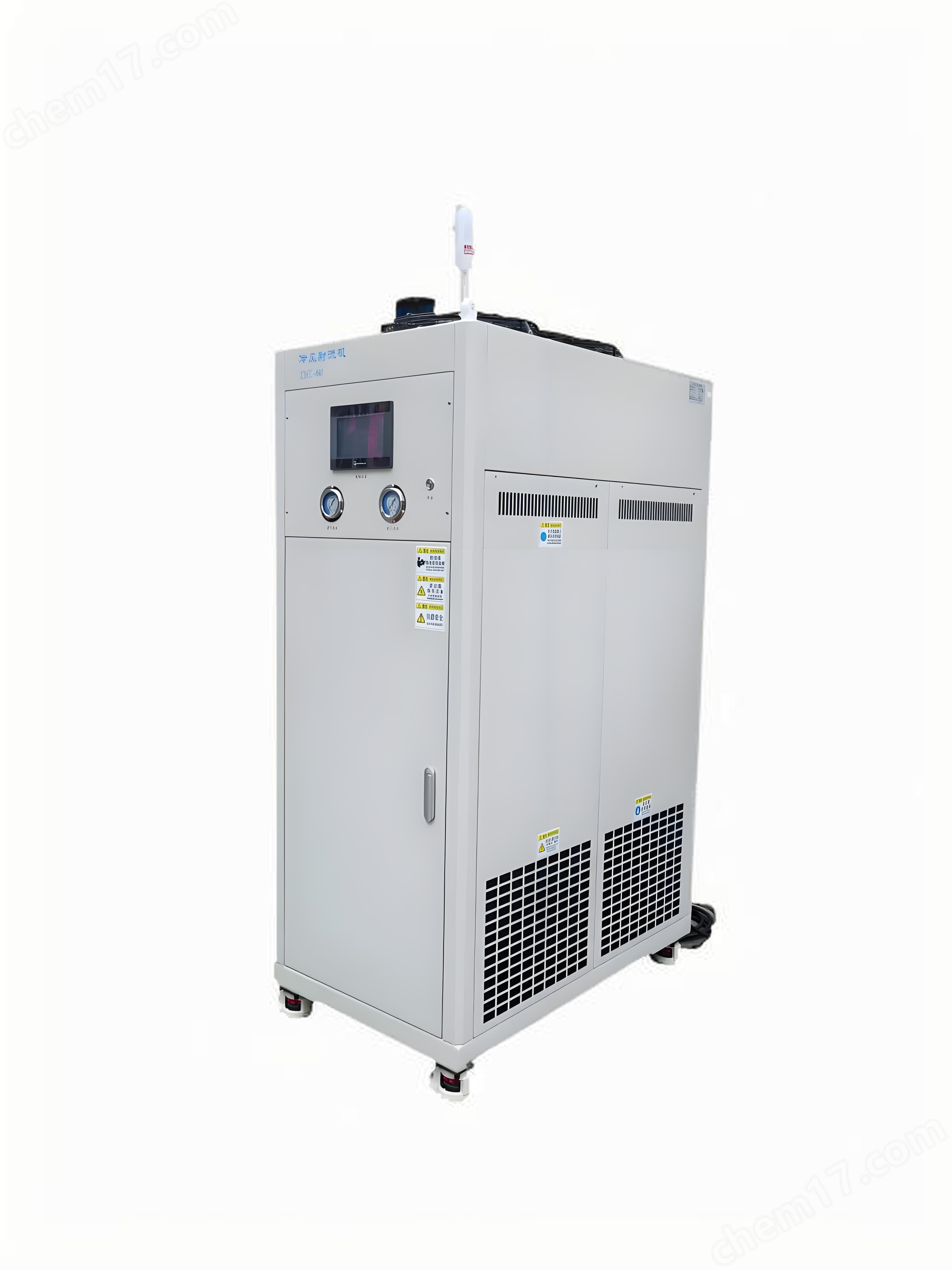
Machine tool cold air cutting machine - Chongqing Danduo Technology Co., Ltd
NegotiableUpdate on 05/06
- Model
- Nature of the Manufacturer
- Producers
- Product Category
- Place of Origin
Overview
Performance characteristics of machine tool cold air cutting machine: Efficient cooling: Low temperature cold air can directly act on the cutting point, quickly take away heat, effectively prevent high temperature in the cutting area, and reduce thermal deformation.
Product Details
Machine tool cold air cutting machinePerformance characteristics
Efficient cooling:
Low temperature cold air can directly act on the cutting point, quickly removing heat and effectively preventing excessive temperature in the cutting area, thereby reducing thermal deformation.
Improve machining accuracy:
The cooling effect helps to reduce the dimensional changes caused by thermal expansion of the workpiece, ensuring higher machining accuracy.
Extend tool life:
Due to the reduction of cutting temperature and thermal damage to tool materials, the service life of the tool can be extended.
Improving surface quality:
Low temperature environment can enhance the mechanical properties of materials during cutting, reduce the formation of chip lumps, and achieve smoother machining surfaces.
Environmental protection and energy conservation:
Not using traditional liquid coolant reduces environmental pollution and eliminates the need for waste liquid treatment, thereby lowering related costs.
Improve production efficiency:
Higher cutting speeds and feed rates can be allowed to improve production efficiency.
Strong adaptability:
Can be applied to cutting various metal materials, including difficult to machine materials such as titanium alloys, stainless steel, etc.
Easy to integrate:
Cold air cutting systems are typically designed to be modular and easy to integrate with existing CNC machine tools, without the need for large-scale modifications to the machine tools.
The installation of machine tool cold air cutting machine needs to be combined with the structural characteristics of the equipment and processing requirements. From site preparation, component assembly, pipeline connection, electrical debugging to performance testing, it needs to be strictly operated in steps:
1、 Site preparation and foundation construction
Environmental requirements
Temperature and humidity: The installation environment should maintain a constant temperature and humidity (such as 15-25 ℃, humidity ≤ 60%) to avoid equipment deformation or electrical failure caused by the environment.
Ventilation and cleaning: Keep away from vibration sources (such as punching machines, forging equipment) and strong electromagnetic interference sources (such as large motors, welding machines), ensure fresh air, and avoid installation near pollution sources such as toilets and kitchens.
Foundation construction: Design a concrete foundation based on equipment weight and geological conditions, and pour it in two stages (pouring to 70% of the design height, and pouring again to the finished surface after initial setting), reserving anchor bolt holes and cable trenches.
2、 Equipment assembly and component connection
Assembly of cold air gun
Segmented structure: Cold air guns are usually divided into three sections: base, gun body, and air duct. They are assembled in the order specified in the manual to ensure that each connection point is tightly sealed.
Nozzle installation: Select the nozzle type (such as direct or fan-shaped) according to the processing requirements, adjust the nozzle angle (usually at a 30 ° -45 ° angle to the cutting point), and ensure that the cold air accurately covers the processing area.
Installation of refrigeration system
Compressor positioning: Install shock-absorbing rubber seat, fix the compressor base, and avoid vibration transmission to the machine tool.
Oil separator and gas-liquid separator: Half sealed or fully enclosed compressors require the installation of an oil separator. When the evaporation temperature is below -15 ℃, a gas-liquid separator should be installed and an appropriate amount of refrigeration oil (such as POE oil) should be injected.
Installation of air cooler: The gap between the air cooler and the storage plate should be greater than the thickness of the air cooler. All suspension bolts should be tightened and sealed with sealant to prevent cold bridging and air leakage.
Pipeline system connection
Copper pipe selection: Choose the pipe diameter based on the interface of the compressor's suction and exhaust valves, and increase the diameter when the condenser and compressor are separated by more than 3 meters.
Slope design: The exhaust pipe and return pipe need to maintain a certain slope (such as 1:50). When the condenser is higher than the compressor, the exhaust pipe slopes towards the condenser, and a liquid ring is installed at the compressor exhaust port to prevent liquid compression.
U-shaped bend design: A U-shaped bend is installed at the outlet of the air cooler return pipe to ensure smooth oil return.
3、 Electrical system debugging
Power supply and grounding
Power matching: Confirm that the power system (three-phase/single-phase) is consistent with the unit identification, and the voltage fluctuation range does not exceed ± 10% of the rated value.
Grounding protection: The electrical control box must be reliably grounded with a grounding resistance of ≤ 4 Ω to prevent the risk of electric leakage and shock.
Sensor and controller connection
Temperature sensor: installed at 100-200mm from the evaporator outlet, wrapped tightly with double-layer insulation to ensure accurate temperature detection.
Pressure sensor: The high-pressure gauge is installed at the three-way valve of the storage tank, and the low-pressure gauge is installed at the suction port of the compressor for real-time monitoring of system pressure.
Control system debugging
Parameter setting: Adjust the cold air temperature (such as -20 ℃ for aluminum alloy processing and -10 ℃ for steel processing), pressure (0.3-0.6MPa), and flow rate (3.0-5.0NM ³/min) according to the processing material.
Safety interlock: Test safety functions such as high voltage protection, low voltage protection, and oil pressure protection to ensure automatic shutdown in case of equipment abnormalities.
4、 Performance testing and optimization
Air tightness test
Nitrogen filling leak detection: Fill the high-pressure end with nitrogen at 1.8MPa and the low-pressure end with nitrogen at 1.2MPa. Use soapy water to check all welds, flanges, and valves, and maintain the pressure for 24 hours without dropping.
Cold air temperature test
Stable operation: After starting the equipment, observe whether the cold air outlet temperature is within the set range (such as -30 ℃ to -50 ℃), and whether the temperature fluctuation is ≤± 1 ℃.
Response time: Test the time it takes for the cold air temperature to drop from room temperature to the set value (usually ≤ 3 minutes) to ensure rapid cooling capability.
Verification of processing effect
Cutting test: Conduct cutting tests on typical workpieces (such as aluminum alloy blades and titanium alloy shafts), monitor the temperature of the cutting area (infrared thermometer), tool wear (width of the tool surface wear band measured by microscope), and workpiece surface roughness (Ra value measured by roughness meter).
Chip collection: Check whether the dust collection device effectively collects chips to avoid chip accumulation that affects processing quality.
5、 Application scenarios of machine tool cold air cutting machine:
Automobile manufacturing
Milling and turning of high-precision components such as engine cylinder blocks and crankshafts, replacing traditional oil cooling and reducing cleaning costs.
Aerospace
The processing of thin-walled titanium alloy and high-temperature alloy parts avoids thermal stress deformation caused by cutting fluid and improves the fatigue strength of the parts.
Mold manufacturing
Precision mold cavity processing reduces polishing processes and shortens delivery cycles.
Electronics/Battery Industry
Lithium battery electrode cutting and 3C product metal shell processing meet the requirements of clean production without oil pollution.
Similar Product Recommend

