- Phone
-
Address
128 Tongxing North Road, Beibei District, Chongqing
Product Categories
Chongqing Danduo Technology Co., Ltd
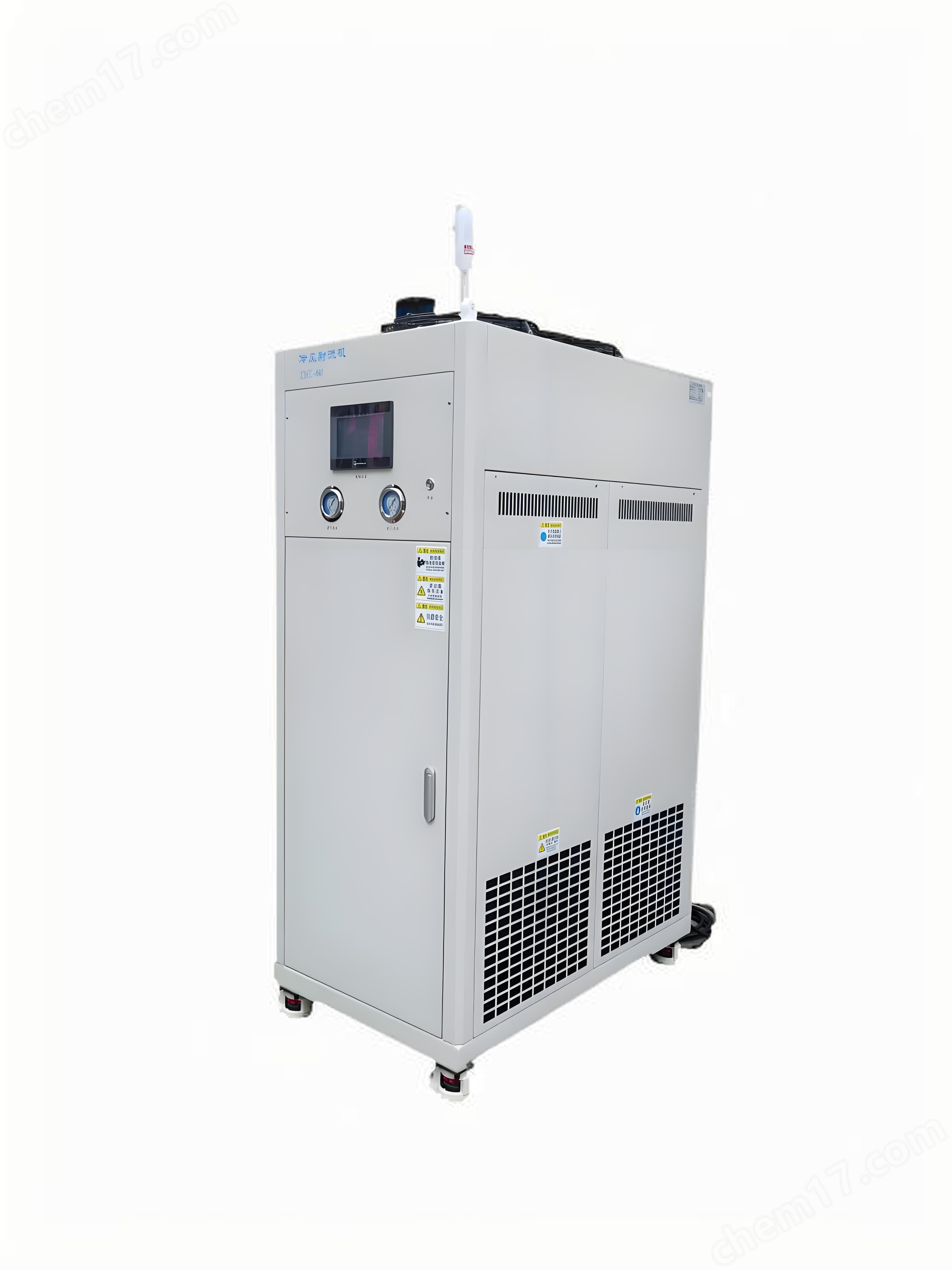

Low temperature processing of stainless steel
NegotiableUpdate on 05/06
- Model
- Nature of the Manufacturer
- Producers
- Product Category
- Place of Origin
Overview
Low temperature processing of stainless steel is a special process aimed at improving the cutting performance of materials, extending tool life, and enhancing the surface quality and dimensional accuracy of workpieces by reducing the processing temperature.
Product Details
Low temperature processing of stainless steelIt is a special process aimed at improving the cutting performance of materials, extending tool life, and enhancing the surface quality and dimensional accuracy of workpieces by reducing the processing temperature. This technology is particularly suitable for difficult to machine materials such as stainless steel, as their processing at room temperature often involves high cutting forces and heat accumulation, which can lead to accelerated tool wear and workpiece deformation.
Working principle
Reduce thermal impact:
Processing at low temperatures can effectively reduce the heat generated by friction, thereby avoiding deformation or residual stress of the workpiece due to overheating.
Improve material hardness and toughness:
Lowering the temperature can make certain metal materials (including stainless steel) more brittle and hard, which helps to reduce cutting resistance, make cutting easier, and achieve better surface finish.
Extend tool life:
The low-temperature environment reduces the impact of heat generated during the cutting process on the tool, reduces the risk of tool material softening or oxidation, and thus extends the service life of the tool.
Control microstructural changes:
For certain specific applications, low-temperature processing can help control changes in the internal microstructure of materials, such as suppressing phase transitions, which is crucial for maintaining material properties and improving finished product quality.
Low temperature processing of stainless steel:
Preprocessing stage
Cleaning and decontamination: Remove oil stains and impurities from the surface of stainless steel to ensure the quality of subsequent treatment.
Low temperature brittleness induction (for ferritic stainless steel): The workpiece is cooled to the target temperature (such as -50 ℃ to -150 ℃) by soaking in liquid nitrogen or using an electronic freezing chuck to induce low-temperature brittleness or martensitic transformation.
Construction of Low Temperature Environment
Cooling medium selection:
Liquid nitrogen: purity ≥ 99.999%, temperature -196 ℃, suitable for extremely low temperature processing.
Low temperature gas: such as compressed air or nitrogen, cooled by a refrigeration system to -40 ℃ to -80 ℃, suitable for materials sensitive to liquid nitrogen.
Cooling method:
External cooling type: only cools the surface of the workpiece or tool, suitable for rough machining.
Internal cooling type: Low temperature fluid is transported through the inner hole of the tool or the internal channel of the workpiece to ensure uniform temperature in the cutting area, suitable for precision machining.
Cutting processing execution
Machine tool and tool selection:
Machine tool: Select a precision horizontal lathe with a spindle speed of 25-1600r/min and a feed rate of 0.05-1.50mm/r.
Tool: Prioritize using internally cooled tools (such as internally cooled drill bits and milling cutters) to ensure that low-temperature fluids directly reach the cutting interface. For crystalline materials, diamond cutting tools are required to reduce subsurface damage.
Optimization of cutting parameters:
Cutting speed: The brittleness of the material increases at low temperatures, and the cutting speed can be appropriately increased (such as 200-500m/min) to reduce cutting force, but it is necessary to avoid excessive speed causing temperature rise.
Feed rate: adjusted according to material hardness, usually 0.05-0.2mm/r, to balance cutting efficiency and surface roughness.
Back cutting amount: Control within 0.1-1.0mm during precision machining to avoid excessive cutting force causing workpiece deformation or tool damage.
Low temperature fluid injection:
The spray angle is usually 30 ° -45 °, with a distance of 10-30mm from the cutting point, to ensure that the cooling medium evenly covers the cutting interface.
Real time monitoring of cutting zone temperature, adjusting the low-temperature fluid injection amount through feedback controller to maintain the target temperature (such as -50 ℃).
Post processing stage
Tempering treatment: Eliminating internal stress and deformation caused by low-temperature treatment, balancing hardness and strength.
Surface treatment: Polishing, cleaning to remove residual cooling medium and improve surface quality.
Performance testing: Verify the low-temperature impact toughness (AKv value) through Charpy impact testing to ensure the material's fracture resistance at the target temperature.
Similar Product Recommend

