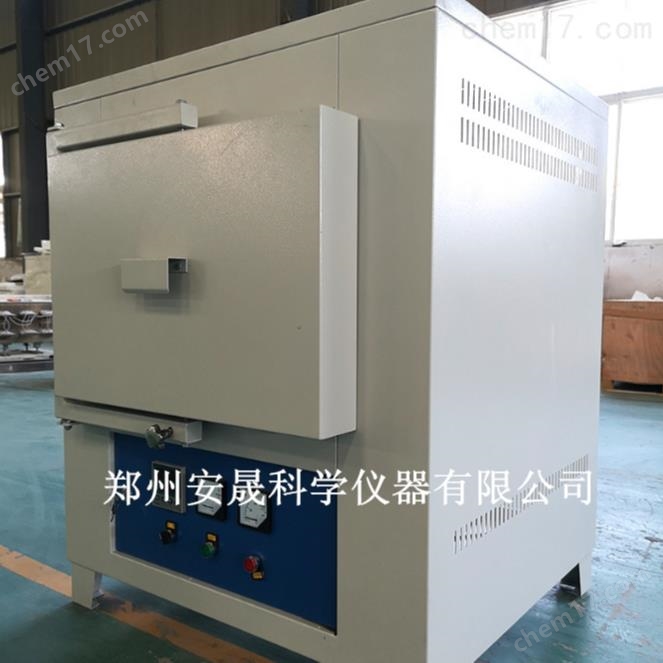
Small and compact laboratory high-temperature muffle furnace: suitable for environments with limited laboratory space, easy to place and operate. $r $n $r $n High temperature performance: able to provide high temperatures to meet most experimental needs. $r $n $r $n precise temperature control: Equipped with a precise temperature control system, it can achieve accurate temperature regulation and constant temperature control. There are multiple heating methods available, such as resistance heating, induction heating, etc., which users can choose according to their actual needs.
Laboratory small high-temperature muffle furnaceIt is a common experimental equipment, usually used for small-scale material heat treatment, sintering, melting and other experimental operations. Here are some information aboutLaboratory small high-temperature muffle furnaceCharacteristics and precautions for use:
Compact size: suitable for environments with limited laboratory space, easy to place and operate.
High temperature performance: able to provide high temperatures to meet most experimental needs.
Accurate temperature control: Equipped with a precise temperature control system, it can achieve accurate temperature regulation and constant temperature control.
Multiple heating methods: such as resistance heating, induction heating, etc., users can choose according to their actual needs.

Safety protection: Generally equipped with safety devices such as over temperature protection and leakage protection to ensure safety during use.
Easy to operate: It usually has an intuitive operating interface and simple control buttons, making it convenient for laboratory personnel to operate.
When using a laboratory high-temperature muffle furnace, the following points should be noted:
Carefully read and follow the operating manual of the equipment to understand its performance and safety precautions.
Ensure that the equipment is placed on a stable and flat surface, avoiding shaking and tilting.
When placing samples, it is important to avoid contact between the sample and the furnace wall to prevent short circuits or other issues.
Set appropriate heating programs and temperatures to avoid rapid heating or cooling, in order to prevent damage to the sample.
When conducting experiments, the laboratory should be well ventilated to avoid the accumulation of harmful gases.

Regularly inspect and maintain the equipment, such as checking if the heating elements are functioning properly and cleaning the furnace.
After the experiment is completed, clean and maintain the furnace until the temperature drops to a safe level.
There may be some differences in laboratory high-temperature muffle furnaces of different models and brands. Please be sure to carefully understand the specific performance and operating requirements of the equipment before use. If you have any other questions about the muffle furnace, please feel free to continue asking.