- Phone
-
Address
North of Liulijing Village, Quanpu Town, Liangshan
Product Categories
Liangshan Rongchuang Second hand Equipment Purchase and Sales Co., Ltd


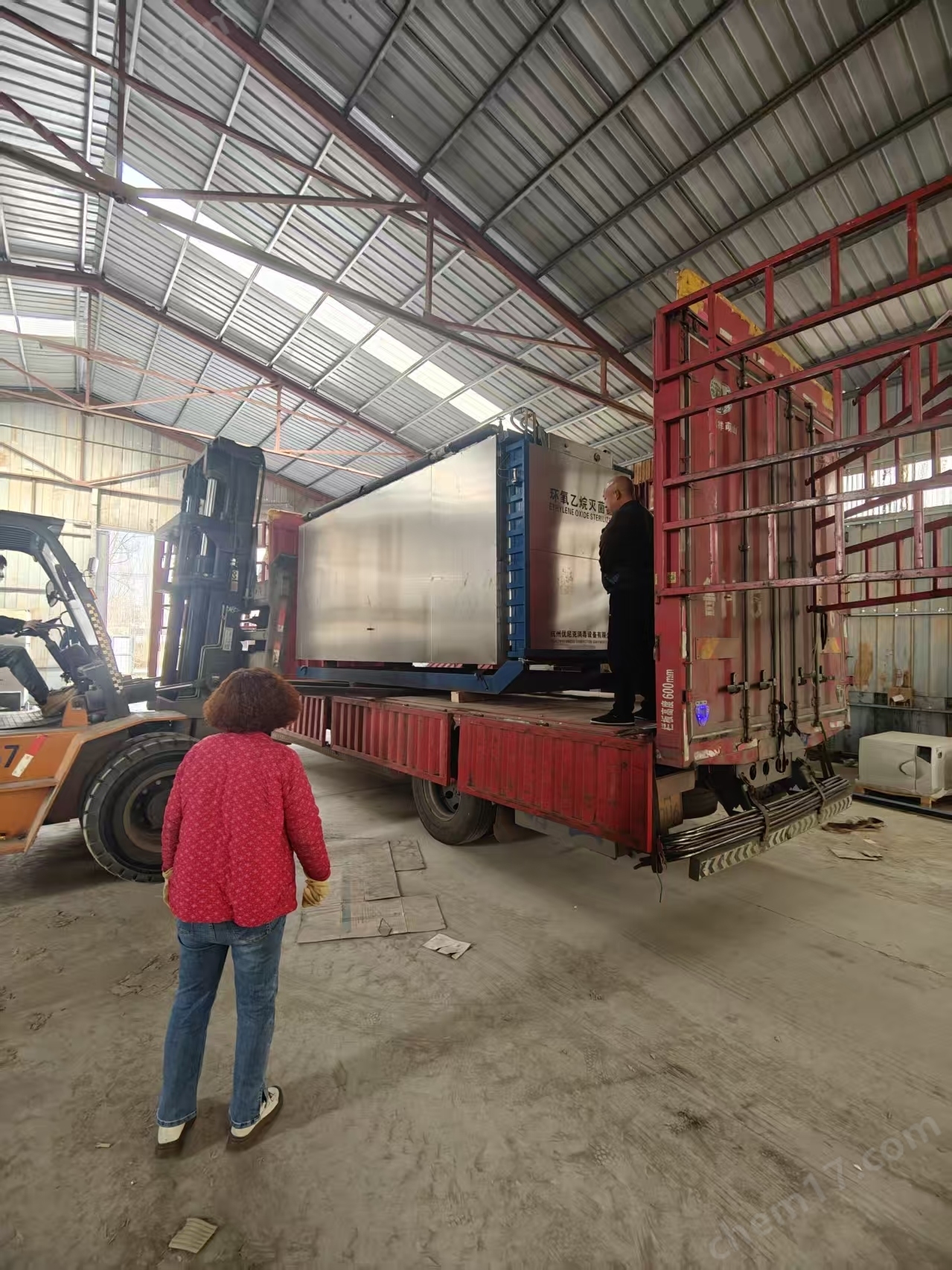
Hangzhou Shensheng * 10 cubic ethylene oxide sterilization cabinet on duty
NegotiableUpdate on 05/18
- Model
- Nature of the Manufacturer
- Producers
- Product Category
- Place of Origin
Overview
When using the 10 cubic meter ethylene oxide sterilization cabinet in Hangzhou Shensheng, strict attention must be paid to its flammability, explosiveness, high toxicity, equipment leakage risk, and operating procedures to ensure the safety of personnel and the environment
Product Details
Hangzhou Shensheng * 10 cubic ethylene oxide sterilization cabinet on duty
When using ethylene oxide sterilization cabinets, strict attention must be paid to their flammability, explosiveness, high toxicity, equipment leakage risks, and operating procedures to ensure personnel and environmental safety.
The following are key safety precautions:
1、 Personnel safety protection
Wear protective equipmentOperators must wear gas masks (with effective filter cartridges), protective gloves (such as butyl rubber material), and avoid direct skin and eye contact with ethylene oxide.
Regular health check upsPersonnel engaged in ethylene oxide sterilization should undergo regular physical examinations, monitor liver and kidney function, and blood tests to prevent chronic poisoning.
Emergency response trainingAll personnel must receive professional training and master the handling procedures for emergency situations such as leaks and poisoningIf contact occurs, immediately rinse with plenty of water for at least 15 minutes and quickly leave the scene to breathe fresh air. In severe cases, seek medical attention.
1
2、 Equipment and Environmental Safety
Independent isolation spaceThe sterilization cabinet should be installed in an independent workshop, maintaining a distance of 30-50 meters from the fire and heat sources, and the workshop should have explosion-proof electrical equipment and a forced ventilation system.
Strict ventilation requirementsThe operating area must maintain good ventilation, install ethylene oxide concentration detection and alarm devices, and be linked with exhaust and sprinkler systemsAfter sterilization, sufficient ventilation analysis is required to ensure that the residual amount is below the safety limit (such as mask residue ≤ 10 μ g/g).
Explosion proof and fire preventionNo open flames, smoking, or the use of non explosion proof electrical appliances are allowed in the workshop
1
Ethylene oxide cylinders should be stored in a cool, ventilated place with a temperature below 40 ℃, away from rotating motors and direct sunlight.1
3、 Operation and maintenance standards
Accurate parameter controlDuring sterilization, it is necessary to strictly set the concentration (450-1200mg/L), temperature (37-63 ℃), humidity (40% -80%), and time to avoid sterilization failure or increased risk due to parameter deviations.
Regular equipment maintenanceRegularly check the sealing of the sterilization cabinet (such as door seals, pipeline interfaces), calibrate temperature and humidity sensors, and clean the interior of the equipment to prevent leaks or malfunctions.
leak detectionSoak the test paper with a 1% sulfur solution and apply it to the suspected leak. If the test paper turns red, it indicates a leak and the machine needs to be stopped immediately for further processing
4、 Item and residue management
Item compatibility confirmationEnsure that the items to be sterilized and packaging materials (such as paper and plastic bags) can withstand ethylene oxide to avoid material aging or discoloration.
Fully analyzeAfter sterilization, the items need to be processed in a fume hood or specialized analytical equipment. Metal/glass can be used immediately, but rubber, plastic, etc. require an extended analytical time (such as 7-14 days) to ensure that the residual amount meets the standard
attentionEthylene oxide is classified as a Group 1 carcinogen by IARC, and improper handling may cause explosions, poisoning, or long-term health damage. Be sure to follow the operating procedures and implement emergency plan drills.
Hangzhou Shensheng * 10 cubic ethylene oxide sterilization cabinet on duty

Similar Product Recommend


