-
E-mail
2678098758@qq.com
-
Phone
17310506168
-
Address
4E0519, Area C, No. 18 Shanghai Street, Changbiaoke Industrial and Trade Park, Jinnan District, Tianjin City
Product Categories
Tianjin Ruikun Instrument Co., Ltd

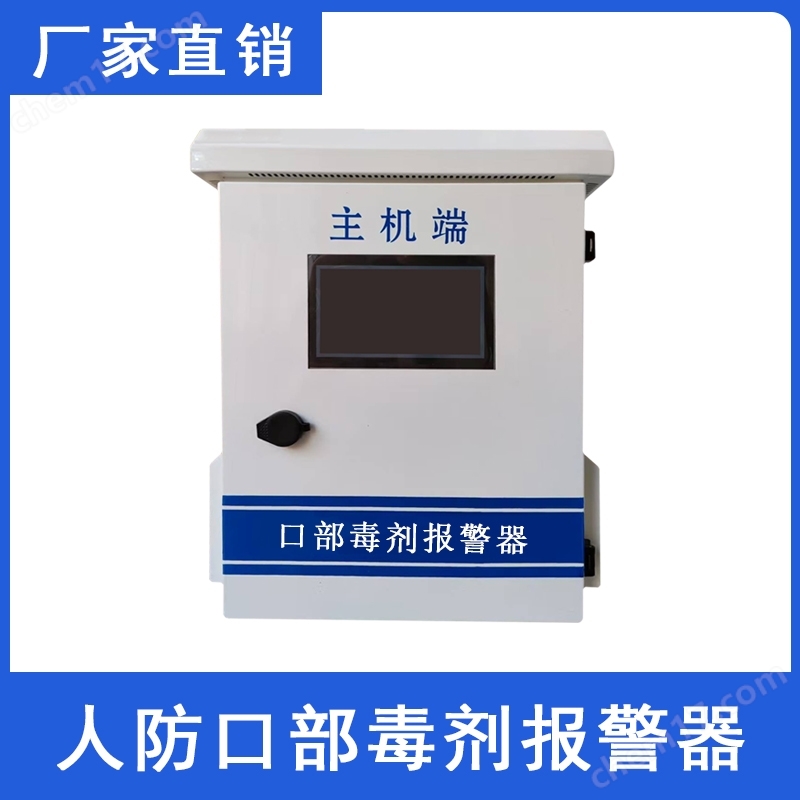



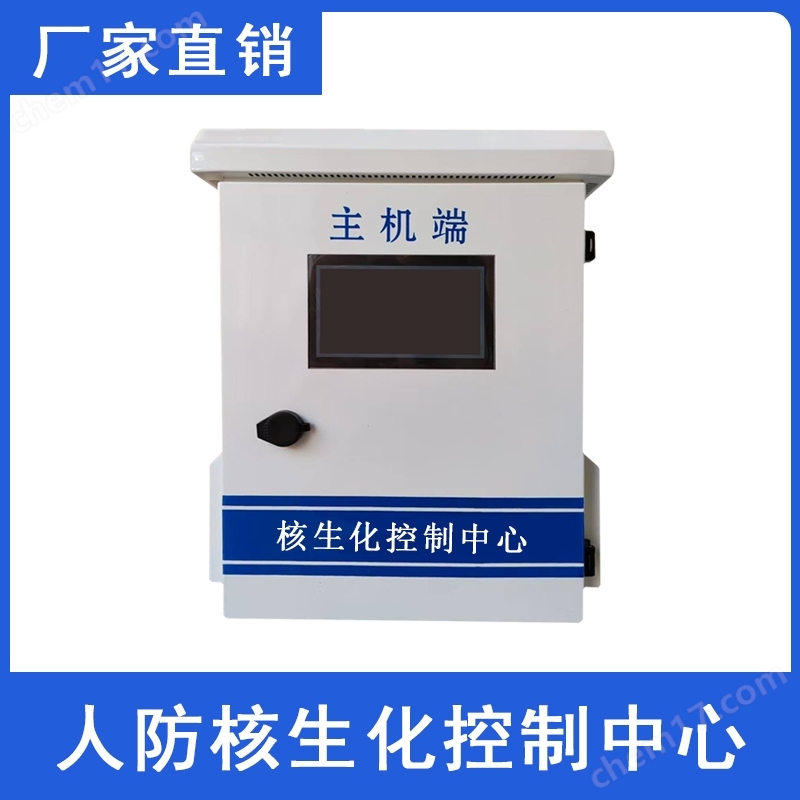
Funing County Commercial Building Civil Air Defense Biological Alarm
NegotiableUpdate on 02/02
- Model
- Nature of the Manufacturer
- Producers
- Product Category
- Place of Origin
Overview
A biological alarm is a monitoring device designed based on the sensitivity response of organisms (including microorganisms, cells, tissues, enzymes, etc.) to specific environmental pollutants or target analytes. Funing County Commercial Building Civil Air Defense Biological Alarm
Product Details
A biological alarm is a monitoring device designed based on the sensitivity response of organisms (including microorganisms, cells, tissues, enzymes, etc.) to specific environmental pollutants or target analytes. The core principle is to utilize the inherent physiological, biochemical, or behavioral characteristics of organisms to convert the presence and concentration information of target substances in the environment into detectable and quantifiable physical or chemical signals through specific signal conversion mechanisms (such as electrochemistry, optics, acoustics, thermodynamics, etc.), thereby achieving rapid, sensitive, specific identification and early warning of target analytes.Funing County Commercial Building Civil Air Defense Biological Alarm
The key components of a biological alarm typically include biological sensitive elements, signal conversion elements (transducers), signal processing and amplification systems, and output display or alarm units. Biosensors are the core recognition components responsible for specific interactions with target analytes and generating initial biological signals. For example, by utilizing the characteristic of specific bacterial strains that exhibit a decrease in luminescence intensity or produce specific enzymes in the presence of toxic substances, they can be immobilized into bio sensitive membranes; Or use antigens-Biological recognition mechanisms such as antibody specific binding and nucleic acid molecule hybridization. The signal conversion element converts the biological signals generated by the biosensing element, such as changes in ion concentrationpHValue change, light absorption/Convert emissions, bioluminescence, thermal effects, mass changes, etc. into easily measurable electrical or optical signals. Common transducers include electrodes (such as ampere type, potential type, conductivity type), optical sensors (such as fluorescence sensors, colorimetric sensors), and piezoelectric sensors (such as quartz crystal microbalances)QCM)Wait.Funing County Commercial Building Civil Air Defense Biological Alarm
Biological alarms have high specificity and sensitivity, and can identify specific targets in complex environmental matrices, with detection limits often reaching extremely low levels. In addition, its design is usually compact, portable, fast in response, easy to operate, and some systems can even achieve real-time and online monitoring. These characteristics make biological alarms have broad application prospects in environmental monitoring (such as heavy metals, pesticide residues, toxic gases in water, soil, air, etc.), food safety testing (such as pathogenic bacteria, toxins, veterinary drug residues), biosafety and national defense (such as biological warfare agents, toxic chemical detection), and medical diagnosis (such as specific disease biomarker detection).
Similar Product Recommend