-
E-mail
2678098758@qq.com
-
Phone
17310506168
-
Address
4E0519, Area C, No. 18 Shanghai Street, Changbiaoke Industrial and Trade Park, Jinnan District, Tianjin City
Product Categories
Tianjin Ruikun Instrument Co., Ltd

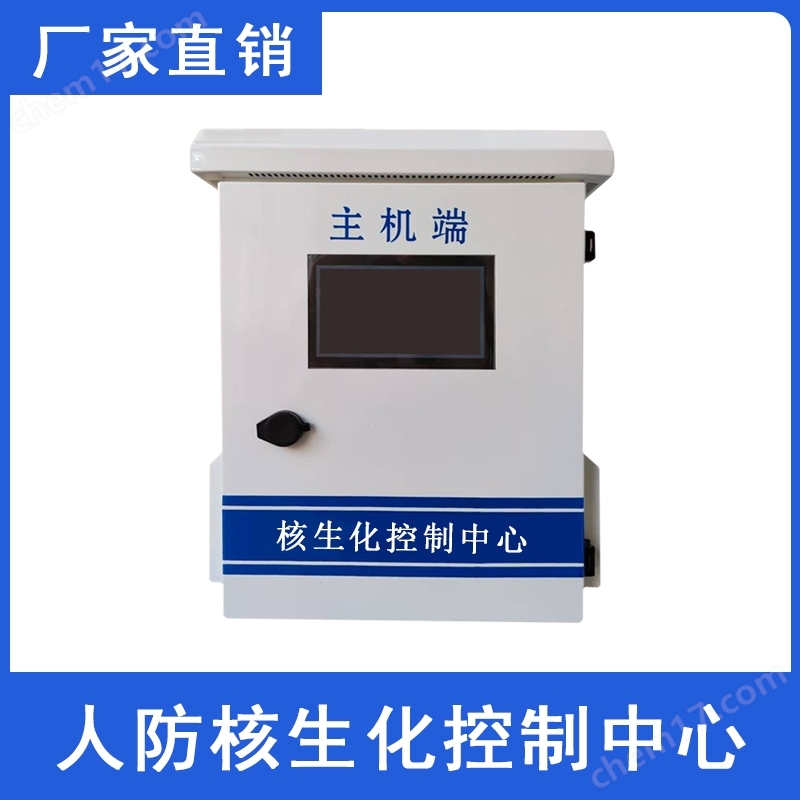
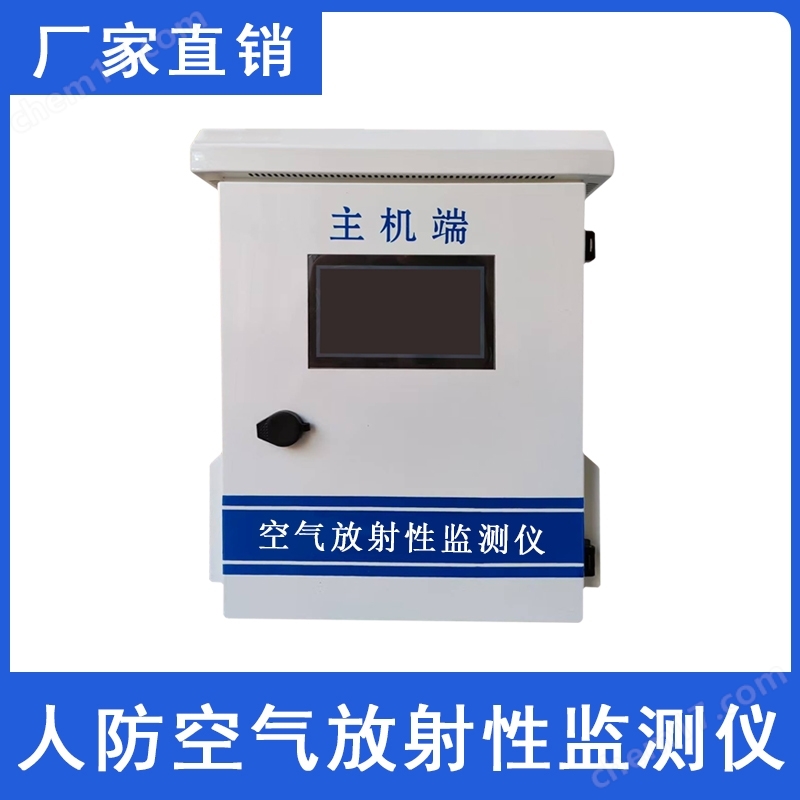


Baoying County Hospital Civil Air Defense Type C Radiation Alarm
NegotiableUpdate on 02/02
- Model
- Nature of the Manufacturer
- Producers
- Product Category
- Place of Origin
Overview
A gamma ray detector is an intelligent safety detection device specifically designed to monitor the intensity of gamma rays in the environment. This device is based on high-sensitivity radiation detection technology and can sense changes in gamma ray dose rate in real time. When the detection value exceeds the preset threshold, it immediately reminds users to take protective measures through sound and light alarms. It is widely used in places with gamma ray radiation risks such as nuclear industry, medical radiology, geological exploration, environmental monitoring, customs inspection, and scientific research laboratories. It is an important equipment to ensure personnel radiation safety and environmental radiation monitoring. Baoying County Hospital Civil Air Defense Type C Radiation Alarm
Product Details
1、 Product Overview
Type C radiation alarm is a specialized device used to monitor type C radiation in the environment(γIntelligent safety detection equipment for radiation intensity. This device is based on high-sensitivity radiation detection technology and can perceive in real timeγWhen the radiation dose rate changes and the detection value exceeds the preset threshold, users are immediately reminded to take protective measures through sound and light alarms, which are widely used in the nuclear industry, medical radiology, geological exploration, environmental monitoring, customs inspection, and scientific research laboratoriesγPlaces with radiation risks are important equipment for ensuring personnel radiation safety and environmental radiation monitoring.Baoying County Hospital Civil Air Defense Type C Radiation Alarm
2、 Core functions
1. Real time monitoring functionUsing high-precision scintillation crystal detectors or semiconductor detectors, it can continuously and real-time collect data in the environmentγThe radiation signal is converted into quantifiable dose rate data (usually in units of)μSv/hormSv/h)Ensure 24/7 monitoring of dynamic changes in radiation levels.
2. Sound and light alarm functionBuilt in buzzer and high brightnessLEDAlarm light, when detectedγWhen the radiation dose rate reaches or exceeds the preset alarm threshold (supporting users to customize high and low thresholds according to actual needs), the device immediately starts the sound and light alarm, with sound intensity≥85dB(Distance)1At a distance of meters, the flashing frequency of the light≥2HzEnsure effective reminders even in noisy environments.
3. Data display functionEquipped with high-definition technologyLCDorOLEDDisplay screen, capable of real-time display of the current situationγKey information such as radiation dose rate, cumulative dose, alarm threshold, equipment working status (normal, alarm, fault), and battery level, displaying data update cycle≤1Seconds, clear and intuitive reading.
4. Threshold setting functionSupport users to flexibly set the alarm threshold through device buttons or supporting software, meeting the radiation safety standards requirements of different places (such as public areas, control areas, and supervision areas), while also having threshold locking function to prevent unauthorized personnel from misoperation.
5. Data recording and storage functionBuilt in storage chip that can automatically record the time and location of alarm events (if equipped)GPSThe storage capacity for information such as modules, radiation values, etc. shall not be less than10Ten thousand records, supported throughUSBInterface or wireless transmission (BluetoothWi-Fi)Export data in a way that facilitates subsequent data analysis and traceability.
6. Low battery alarm and automatic shutdown functionWhen the battery level of the device is lower than the preset value, it will automatically emit a low battery warning sound and display it on the screen to avoid monitoring interruption caused by battery depletion; If the device is not operated for a long time or the battery level is extremely low, it will automatically shut down to protect the battery.
3、 Technical parameters
1. Detecting radiation types:γRadiation (energy response range is usually50keV~3MeVMeet international standardsISO 4037Requirement)
2. Dose rate measurement range:0.01μSv/h~100mSv/h(Can be expanded to higher ranges according to requirements)
3. Energy response deviation: In50keV~3MeVWithin the energy range, relative to137Cs(662keV)γResponse deviation of radiation≤±30%(Under standard laboratory conditions)
4. Dose rate indication error:≤±10%Dose rate range in reference radiation field0.1μSv/h~10mSv/h)
5. alarm methodSound and light alarm (sound)≥ 85dB@1mredLEDFlashing), optional vibration alarm
6. display mode:128×64dot matrixLCDDisplay screen (with backlight), supports Chinese/English interface switching
7. working environment: Temperature-10℃~+50℃Relative humidity≤95%(No condensation)
8. power supply methodBuilt in rechargeable lithium battery (capacity)≥2000mAh)Continuous working hours≥48Hour (at room temperature, non alarm state), supports external DC power supply(5V/1A)
9. Overall dimensions: About120mm×70mm×35mm(Long)×wide×High, excluding protruding probe parts)
10. weight:≤300g(including battery), easy to carry or fix for installation
4、 Applicable scenarios
1. Nuclear facilities and nuclear industryMonitoring of radiation zone boundaries, equipment operation status, and environmental radiation assessment during emergency response in places such as nuclear power plants, nuclear reactors, and nuclear fuel processing plants.
2. Medical radiology field: Radiology Department of Hospital(XOptical machineCTRadiation dose monitoring in areas such as mechanical and nuclear medicine disciplines, radiotherapy centers, etc., to ensure that medical staff and patients are exposed to radiation in accordance with national standards.
3. Environmental radiation monitoringThe environmental protection department's regulations on environmental media such as soil, water, and airγRadiation background level monitoring, as well as tracking the spread of environmental radiation pollution after nuclear accidents (such as leaks).
4. Geological Exploration and Resource DevelopmentOn site radiation intensity testing during the exploration of radioactive mineral resources such as uranium and rare earth mines to guide safe exploration operations.Baoying County Hospital Civil Air Defense Type C Radiation Alarm
5. Customs and Entry Exit Inspection and Quarantine: Conduct inspections on incoming goods such as stone, metal waste, and radioactive materialsγRadiation screening to prevent radioactive materials from exceeding the standard from entering the country.
6. research laboratoryIn nuclear physics laboratories and radioactive isotope laboratories of universities and research institutes, it is used for personal dose monitoring during experimental operations and radiation safety control in experimental environments.
7. Public Safety in Public PlacesWarning and monitoring of radioactive material attacks in densely populated areas such as airports, stations, and large venues to enhance public safety and security capabilities.
Similar Product Recommend
