- Phone
-
Address
128 Tongxing North Road, Beibei District, Chongqing
Product Categories
Chongqing Danduo Technology Co., Ltd

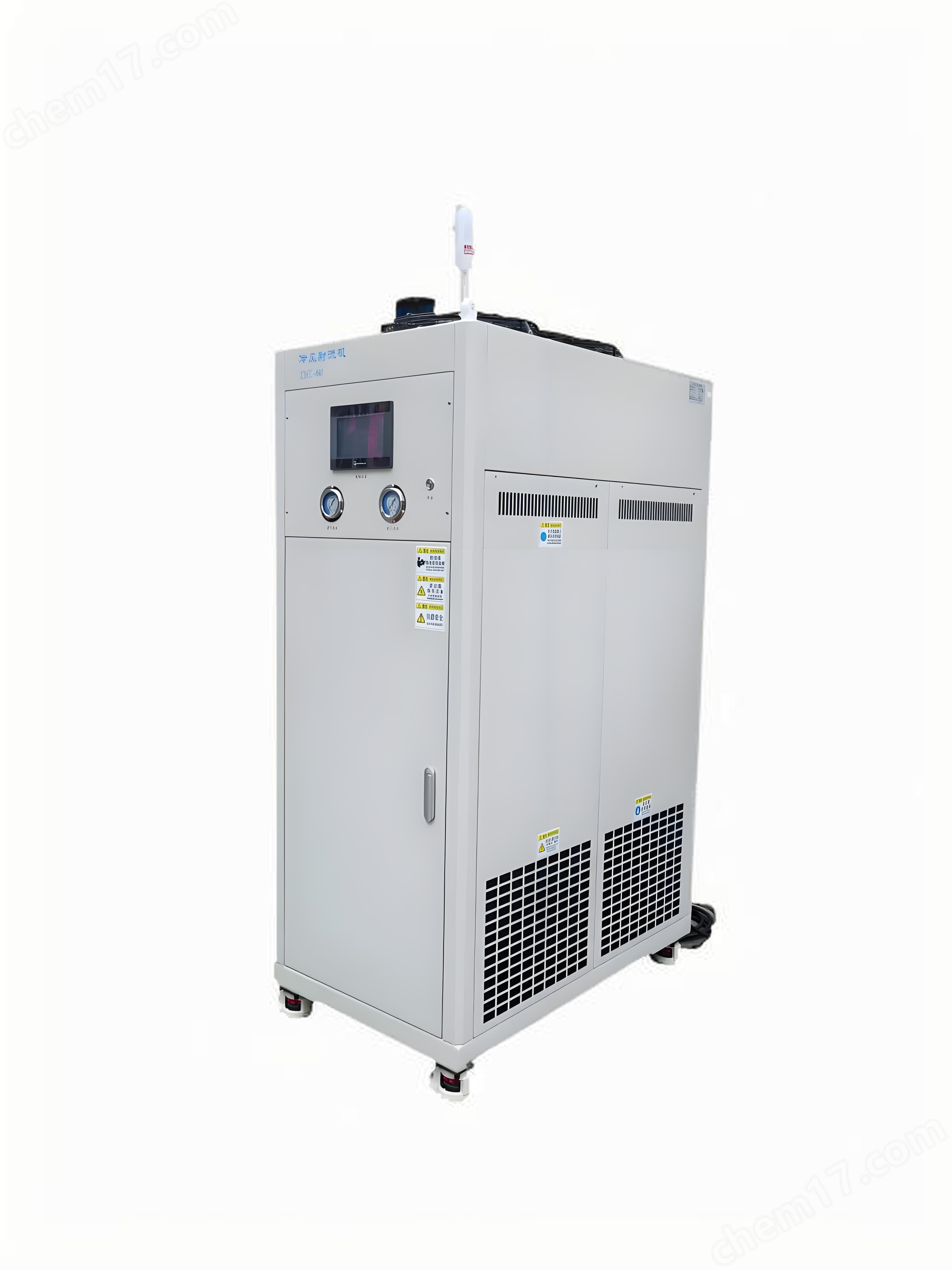
Cold air jet machine
NegotiableUpdate on 05/06
- Model
- Nature of the Manufacturer
- Producers
- Product Category
- Place of Origin
Overview
The cold air jet machine achieves efficient refrigeration through refrigerant circulation and air jet technology. Its core process can be divided into four stages: compression stage. Low pressure and low-temperature gaseous refrigerant (about 5-10 ℃) enters the compressor return pipe from the evaporator, and the compressor compresses the refrigerant into high-pressure and high-temperature gas (with a temperature of up to 80-100 ℃) through mechanical work.
Product Details
Cold air jet machineThe core process of achieving efficient refrigeration through refrigerant circulation and air jet technology can be divided into four stages:
Compression stage
Low pressure and low-temperature gaseous refrigerant (about 5-10 ℃) enters the compressor return pipe from the evaporator, and the compressor compresses the refrigerant into high-pressure and high-temperature gas (with a temperature of up to 80-100 ℃) through mechanical work.
Key function: To increase the pressure and temperature of the refrigerant, creating conditions for subsequent condensation and heat release.
Condensation stage
The high-pressure and high-temperature gaseous refrigerant enters the outdoor condenser and is forced to dissipate heat through convection by a fan, gradually condensing into high-pressure and room temperature liquid refrigerant (with constant pressure and temperature reduced to 35-45 ℃).
Key function: Release heat to the outdoor environment and complete the phase transition of refrigerant from gas to liquid.
Throttling stage
The liquid refrigerant is throttled through an expansion valve or capillary tube, causing a sudden drop in pressure that causes the refrigerant to vaporize instantly and cool down (to below 10 ℃), forming a low-pressure, low-temperature liquid refrigerant.
Key function: Prepare for evaporation and heat absorption by reducing pressure and temperature.
Evaporation stage
Low pressure low-temperature liquid refrigerant enters the evaporator and exchanges heat with indoor air (about 25 ℃), absorbs heat from the air and vaporizes into low-pressure low-temperature gaseous refrigerant (about 0-10 ℃), while the indoor air temperature decreases.
Jet air supply: The low-temperature air at the outlet of the evaporator is accelerated by the fan and sprayed into the room in the form of a high-speed jet through the nozzle, driving the surrounding air to form a suction effect, expanding the cooling range and eliminating ventilation blind spots.
Key role: To achieve indoor air cooling and uniform distribution.
Loop closure: The gaseous refrigerant returns to the compressor's return port, completing a refrigeration cycle and continuously providing indoor air conditioning.
Cold air jet machineMaintenance matters:
Regular cleaning and filter maintenance
External cleaning: Use a soft cloth to wipe the shell and air inlet every quarter to avoid dust accumulation affecting heat dissipation.
Filter cleaning/replacement: Check the filter every month and promptly clean or replace it if it is clogged to prevent a decrease in air flow and cooling efficiency.
Condenser cleaning: Clean the surface dust of the condenser annually to ensure heat dissipation efficiency and prevent compressor overheating and shutdown protection.
Lubricating oil inspection and replacement
Oil level inspection: Check the lubricating oil level of the compressor every month, and add specialized lubricating oil if it is insufficient to avoid mechanical wear caused by poor lubrication.
Oil quality testing: Check the oleic acid value and viscosity of the lubricating oil every year, and replace it when it deteriorates to prevent corrosion of the internal parts of the compressor.
Cooling system maintenance
Smooth waterway: Ensure that the cooling water pipeline is unobstructed, regularly clean the scale, and prevent a decrease in heat exchange efficiency.
Exhaust valve operation: Before operation, open the exhaust valve of the water outlet pipe to exhaust the air in the pipeline and avoid affecting the heat exchange effect.
Winter antifreeze: When shutting down in extremely cold areas, drain the water stored in the coil or add antifreeze to prevent freezing and damage to the equipment.
Electrical system inspection
Line connection: Check the power cord and connectors for looseness every month to avoid the risk of short circuit or leakage.
Component testing: Check the working status of contactors and relays every quarter, and ensure that there are no abnormal noises or heating phenomena.
Insulation test: Use a megohmmeter to test the insulation resistance of the motor every year to ensure safe operation.
Temperature and pressure control
Cold water temperature: In summer, the cold water temperature should not be lower than 5 ℃ to avoid freezing of the evaporator.
Heating temperature: The heating temperature in winter should not exceed 80 ℃ to prevent overheating and deformation of the heat exchanger.
Pressure monitoring: Regularly check the high and low pressure gauges of the refrigerant, and promptly investigate any leaks or blockages in case of abnormal pressure.
Long term disuse treatment
Drain stored water: When the coil is not in use for a long time in winter, drain the stored water and dry it with compressed air to prevent corrosion.
Regular startup: Power on for 1 hour every half month to prevent component corrosion and electrical components from getting damp.
Professional maintenance suggestions
Annual maintenance: Professional technicians conduct comprehensive inspections and maintenance of key components such as compressors and fan bearings every year.
Component replacement: Regularly replace worn parts (such as belts and seals) according to the user manual to ensure stable equipment performance.
Similar Product Recommend

