- Phone
-
Address
128 Tongxing North Road, Beibei District, Chongqing
Product Categories
Chongqing Danduo Technology Co., Ltd
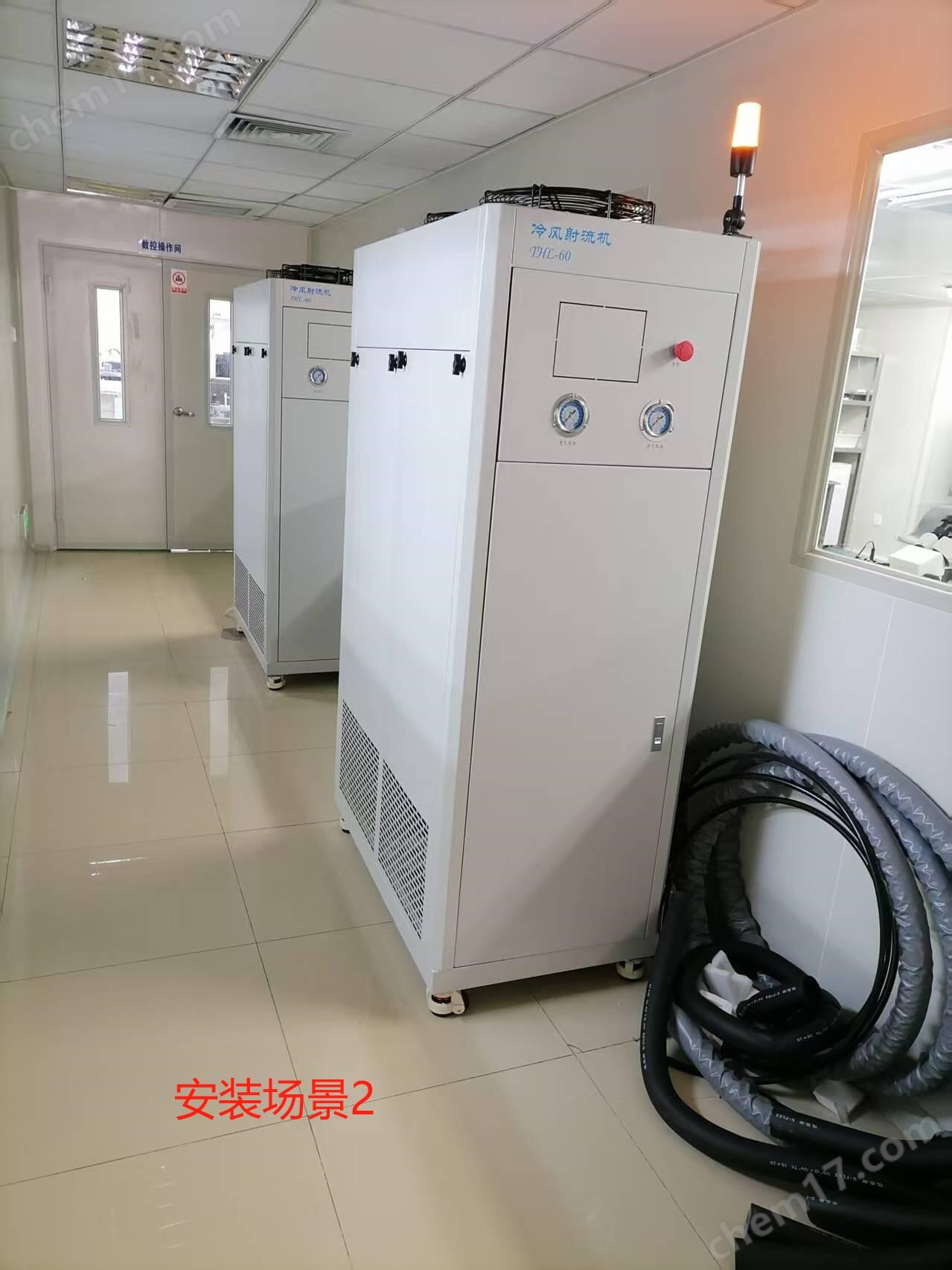
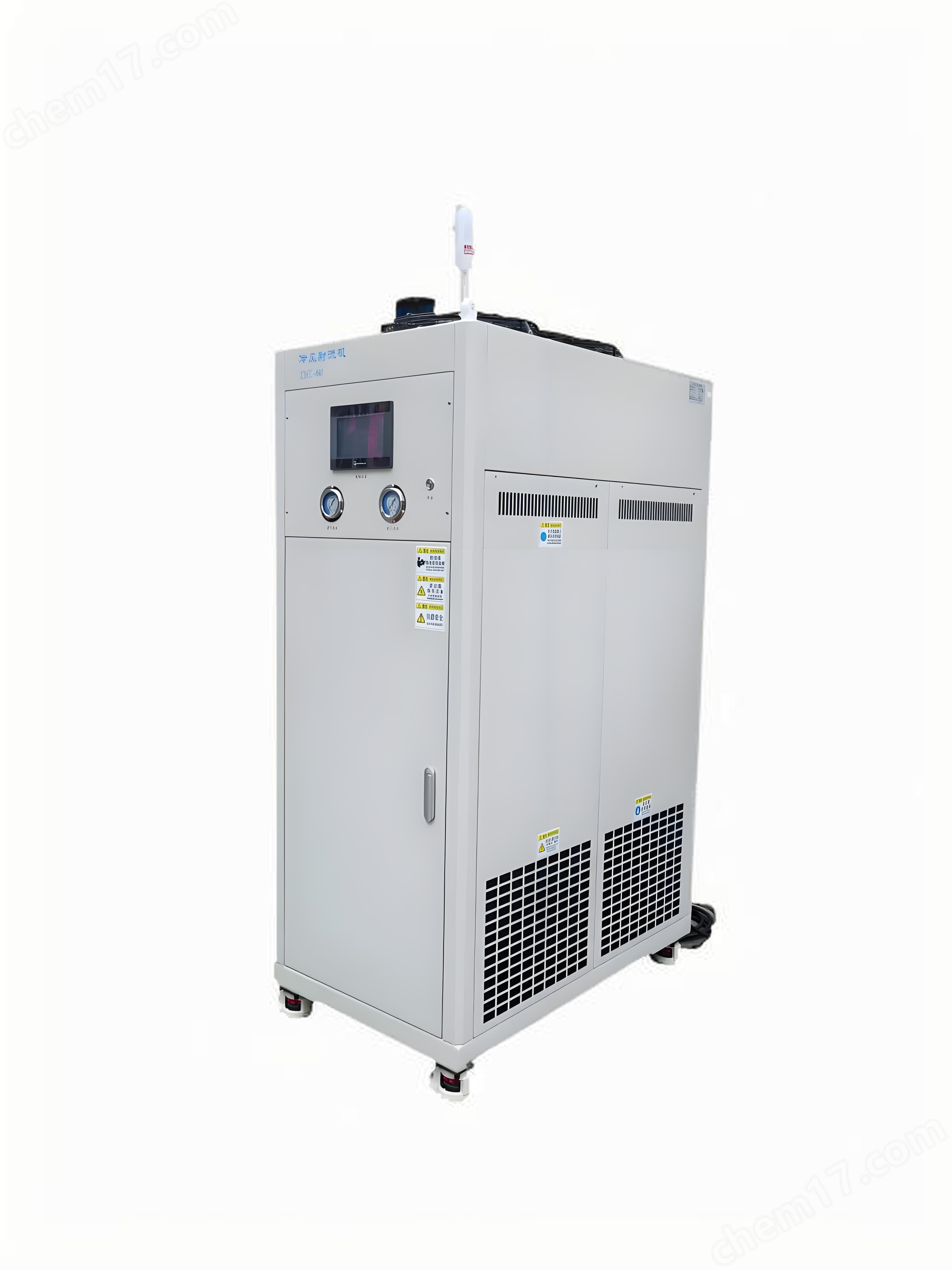

Cold air jet fan - Chongqing Danduo Technology Co., Ltd
NegotiableUpdate on 05/06
- Model
- Nature of the Manufacturer
- Producers
- Product Category
- Place of Origin
Overview
Cold air jet machine is a specialized equipment that uses high-intensity airflow to achieve local rapid cooling, ventilation or drying. Its core feature is to use the "jet effect" to transport the cooled or filtered air at high speed (usually 15-30m/s) to the target area, forming a strong airflow circulation and temperature control effect in a small space.
Product Details
Cold air jet machineIt is a specialized equipment that uses high-intensity airflow to achieve local rapid cooling, ventilation, or drying. Its core feature is to use the "jet effect" to deliver cooled or filtered air at high speed (usually 15-30m/s) to the target area, forming a strong airflow circulation and temperature control effect in a small space. Widely used in industrial production, warehousing and logistics, public venues and other scenarios, especially suitable for situations that require precise cooling, rapid ventilation or local environmental improvement.
The pressure energy generated by high-speed airflow accelerates the air to form a high-speed jet, and creates negative pressure at the suction port to mix with surrounding low-energy media (such as gas or liquid). The core refrigeration process relies on the circulation of compressed air: compressed air at room temperature is removed of moisture by an adsorption dryer and enters the air inlet of the evaporator. It exchanges heat with low-temperature refrigerant inside the evaporator, achieving a sudden drop in temperature (up to -60 ℃), and finally sprayed into the target area through the exhaust port.
System composition: Modular design ensures stable operation
Drying system: Adopting an adsorption dryer, the moisture in the compressed air is removed through the principle of physical adsorption to prevent freezing and blockage of the system, ensuring refrigeration efficiency.
Refrigeration system:
Dual stage refrigeration structure: Some models use dual compressors to work together, with the first stage compressor pre cooling the air and the second stage compressor deeply cooling, significantly improving the energy efficiency ratio.
Key components: including refrigeration compressor, condenser, throttling device (such as capillary tube group), and evaporator, which achieve heat transfer through refrigerant circulation.
Control system: Integrated PLC controller, temperature sensor and solenoid valve, real-time monitoring of cold air outlet temperature, automatic adjustment of refrigeration compressor operation status, ensuring temperature stability (error ± 1 ℃).
Air extraction system: composed of an intake pipe, a drying device, and a jet pipe, responsible for accurately delivering the processed low-temperature cold air to the cutting point or target area.
Performance characteristics of cold air jet fan: balance between ultra-low temperature and high efficiency
Extreme low-temperature capability: Through two-stage refrigeration or stacked refrigeration technology, the cold air temperature can be lowered to -60 ℃ to meet high-precision processing requirements.
Efficient and energy-saving: By using jet technology to enhance air flow and combining with the principle of evaporative cooling, the energy efficiency ratio is significantly higher than traditional air conditioning equipment, reducing energy consumption by more than 30%.
Compact structure: The integrated design reduces the footprint and facilitates installation and use in small spaces.
Environmental protection and health: Using water or environmentally friendly refrigerants as the medium, avoiding the emission of harmful substances such as fluorocarbons, and complying with ISO14000 and ISO16000 standards.
Chip removal optimization: High speed cold air injection can improve cutting conditions, reduce tool wear, and extend service life by 2-3 times.

Cold air jet machineInstallation and placement requirements
Environmental adaptability
Temperature and humidity: It is recommended to control the operating environment temperature of the equipment between 5-40 ℃ and the relative humidity ≤ 80%. Avoid using in high temperature and high humidity environments (such as un dehumidified environments during rainy seasons) or corrosive gas environments to prevent short circuits on circuit boards or rusting of metal components.
Ventilation conditions: Ensure that there is at least 30cm of heat dissipation space around the equipment, and prohibit blocking the air inlet and outlet. If used in a confined space (such as a laboratory), a forced ventilation system must be equipped.
Ground flatness: The equipment should be placed on a level surface with an inclination of no more than 5 ° to prevent refrigerant leakage or compressor lubricating oil displacement.
Power supply and grounding
Use independent power sockets to avoid sharing power lines with other high-power devices and prevent voltage fluctuations from damaging the compressor or control board.
The grounding resistance should be ≤ 4 Ω. Regularly check whether the grounding wire is loose or corroded to avoid the risk of leakage.
Pre operation inspection
Refrigeration system
Refrigerant pressure: Confirm the refrigerant charging amount within the normal range through a pressure gauge (usually 1.5-2.5MPa for the high-pressure end and 0.1-0.3MPa for the low-pressure end). If the pressure is abnormal, it is necessary to investigate the leakage point and replenish the refrigerant.
Condenser cleaning: Check if there is any dust accumulation on the condenser fins, use a soft bristled brush or low-pressure air blowing to avoid a decrease in heat dissipation efficiency that may cause high-pressure protection shutdown.
Evaporator frosting: If the equipment has automatic defrosting function, it is necessary to confirm that the defrosting cycle is set reasonably (usually defrosting every 4-6 hours for 10-15 minutes). Manual defrosting models require regular shutdown for defrosting.
Gas source and waterway
Compressed air quality: If the equipment relies on compressed air cooling, it is necessary to ensure that the air dryness is ≤ -40 ℃ dew point (achieved through an adsorption dryer) to prevent moisture from freezing and blocking the pipeline.
Drain valve status: Check if the drain valve is unobstructed, manually drain 1-2 times after daily operation to avoid condensation water accumulation.
Water cooled models: Confirm that the cooling water flow rate is ≥ the design value (usually 3-5L/min) and the water temperature is ≤ 30 ℃ to prevent compressor overheating.
Operating standards
Temperature setting
When starting, gradually adjust the target temperature to -60 ℃ (with a 30 minute interval every 10 ℃) to avoid compressor load changes that may cause malfunctions.
It is prohibited to frequently adjust parameters before the device reaches the set temperature to prevent the control board program from going wrong.
Wind speed and mode selection
Select wind speed gear according to cooling requirements:
Low speed gear: suitable for precision machining (such as cooling optical components), reducing airflow disturbance;
High speed gear: used for rapid cooling or large space ventilation.
When switching between air supply/exhaust modes, wait for the fan to stop (indicator light to turn off) before operating to prevent the motor from burning out.
Load management
To avoid prolonged idle operation of the equipment (such as continuous opening when there is no workpiece), it is recommended to set a timer switch function (such as running for 8 hours a day).
If continuous operation is required, a backup compressor or cooling system should be equipped to prevent single point failure from causing shutdown.
Security protection
Personnel protection
Operators are required to wear anti freezing gloves (resistant to -70 ℃), goggles, and protective clothing to prevent frostbite caused by direct cold air.
Do not open maintenance doors or touch low-temperature components (such as evaporator surfaces) during device operation to avoid skin adhesion causing tearing injuries.
Fire and explosion prevention
Flammable materials (such as alcohol and paint) are prohibited from being stored within 3 meters around the equipment, and should be kept away from open sources of fire.
If used in a chemical laboratory, explosion-proof motors and electrical components should be selected, and combustible gas alarms should be equipped.
Electrical safety
When thunderstorms occur or the voltage fluctuation of the power grid exceeds ± 10%, immediately shut down and disconnect the power supply.
Regularly check whether the insulation layer of the power cord is damaged, and use a megohmmeter to test the grounding resistance (should be ≤ 4 Ω).
Maintenance and upkeep
Daily maintenance
Cleaning: Wipe the equipment casing with a dry cloth daily and clean the air filter weekly (soak in neutral detergent and air dry).
Lubrication: Add low-temperature resistant grease (such as molybdenum disulfide based grease) to the fan bearings every quarter to reduce mechanical wear.
Regular maintenance
Half year inspection: Check the oil level of the compressor and replace it with specialized refrigeration oil (such as POE or PAG oil) if necessary; Test the opening and closing pressure of the safety valve (usually 1.1 times the design pressure).
Annual inspection: Entrust a professional organization to conduct airtightness testing (helium mass spectrometry leak detection method) on the refrigeration system, and the leakage rate should be ≤ 1 × 10 ⁻⁶ Pa · m ³/s.
Fault handling
Common faults:
High cold air temperature: Check whether the condenser is dirty or blocked, whether the refrigerant leaks, and whether the compressor frequently starts and stops;
Fan not turning: Test the resistance of the motor winding (normal value should be close to the nominal value), replace damaged capacitors or contactors;
Leakage: Check whether the sealing ring of the drain valve is aging and whether the evaporator weld is cracked.
Emergency measures: In case of smoke or odor from the equipment, immediately press the emergency stop button and cut off the power supply. Ventilate for 30 minutes before conducting maintenance.
Shutdown and Storage
Normal shutdown
Turn off the cooling function first, wait for the fan to continue running for 10-15 minutes (using the residual cooling to dry the evaporator), and then turn off the main power.
When not in use for a long time, drain the water from the system (including the compressor crankcase, condenser, and evaporator) to prevent rusting.
Storage environment
The equipment should be stored in a dry and ventilated warehouse, with a temperature controlled between -20 ℃ and 40 ℃ and a relative humidity of ≤ 60%.
Before covering the dust cover, place a desiccant (such as silicone) inside the device to prevent moisture from causing electrical components to short circuit.
Similar Product Recommend

