-
E-mail
250939901@qq.com
-
Phone
15710019877
-
Address
No. 18 Jianshe Road, Liangxiang, Fangshan District, Beijing
Product Categories
Beijing Zhichen Technology Co., Ltd
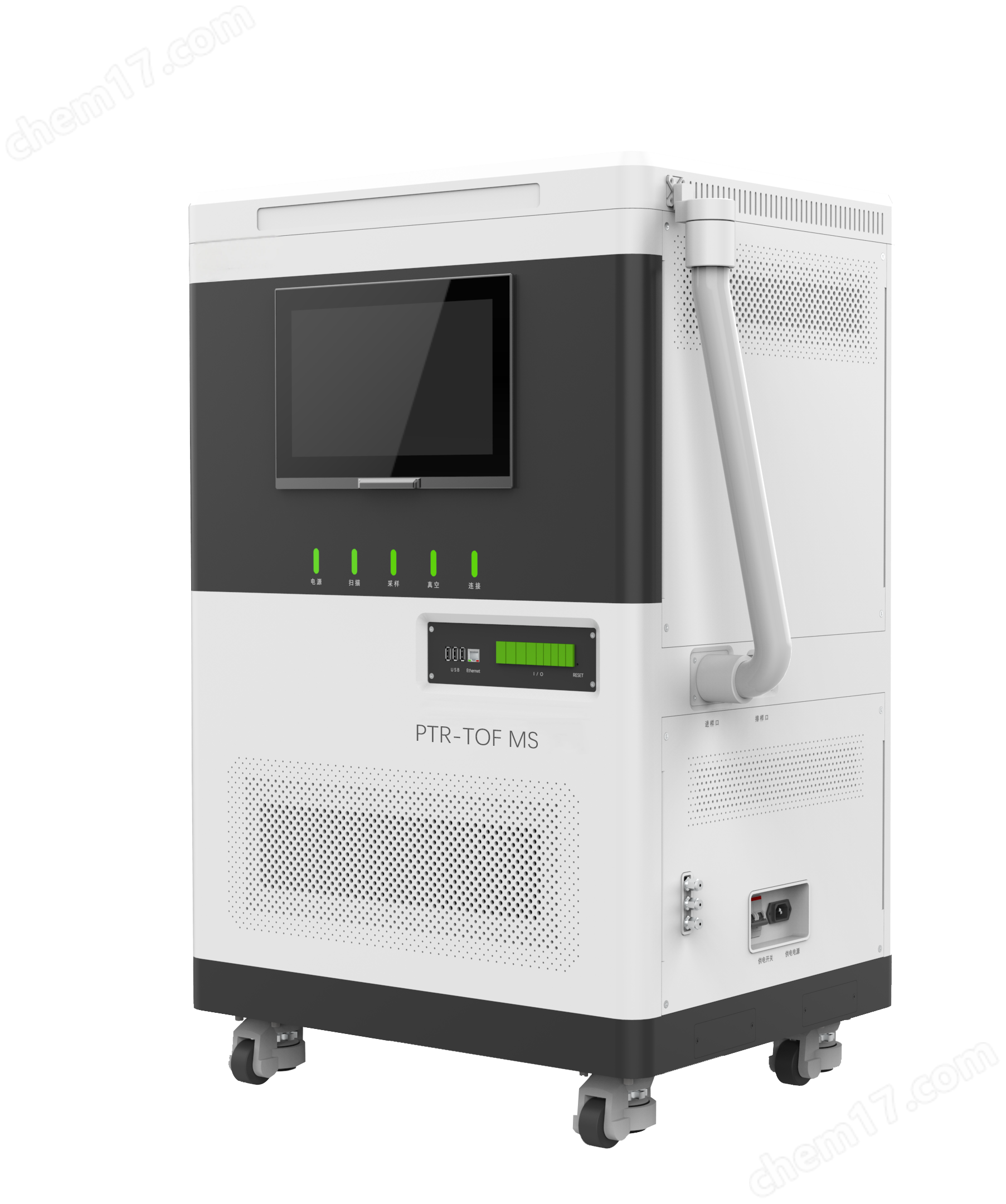
Chemical ionization mass spectrometer
NegotiableUpdate on 01/27
- Model
- Nature of the Manufacturer
- Producers
- Product Category
- Place of Origin
Overview
Chemical ionization mass spectrometry: The overall structure of chemical ionization time-of-flight mass spectrometry is mainly divided into three parts according to its functions: 1) sample introduction and ionization zone; 2) Ion transport system; 3) Flight time quality analyzer. The workflow of the instrument is as follows: the sample gas is introduced through a conical microporous injection device, while the reagent gas iodine CH4 is irradiated by a vacuum ultraviolet krypton lamp to generate reagent ions.
Product Details
The overall structure of iodine negative/chloride ion plasma chemical ionization time-of-flight mass spectrometry is shown in Figure 1, which is mainly divided into three parts according to its function: 1) sample introduction and ionization zone; 2) Ion transport system; 3) Flight time quality score
Analyzer. The workflow of the instrument is as follows: the sample gas is introduced through a conical microporous injection device, while the reagent gas is introduced simultaneously
Iodine * * is irradiated by a vacuum ultraviolet krypton lamp to induce the production of reagent ion I -. Sample gas molecules and I - in the gas flow field
Under the action of mixed collision reaction, iodine adduct ions are formed, which enter the fragment quadrupole through micropores and undergo radio frequency ionization
The field undergoes initial focusing, enters the long quadrupole through the skimmer 1 electrode for further focusing, and passes through the skimmer 2 electrode
After entering the lens shaping process, it passes through the slit and enters the pulse repulsion zone of the time-of-flight mass analyzer. Ion beam in high pulse
Under the action of pulse voltage with impulse repulsion frequency, it enters the acceleration zone, and after dual field acceleration, it sequentially enters the field free flight zone
The reflection zone returns to the surface of the detector. The detector receives the ion signal and transmits it to the analog-to-digital conversion card
(ADC), Draw a two-dimensional graph of signal strength and flight time using a data acquisition system and data processing software
The mass spectrum is obtained by aligning the flight time with the mass to charge ratio through mass calibration.


