-
E-mail
Jili@hamilton.ch
-
Phone
13761454369
-
Address
Room 101, Building E, No. 666 Shengxia Road, Pudong New Area, Shanghai
Product Categories
Hamilton (Shanghai) Experimental Equipment Co., Ltd
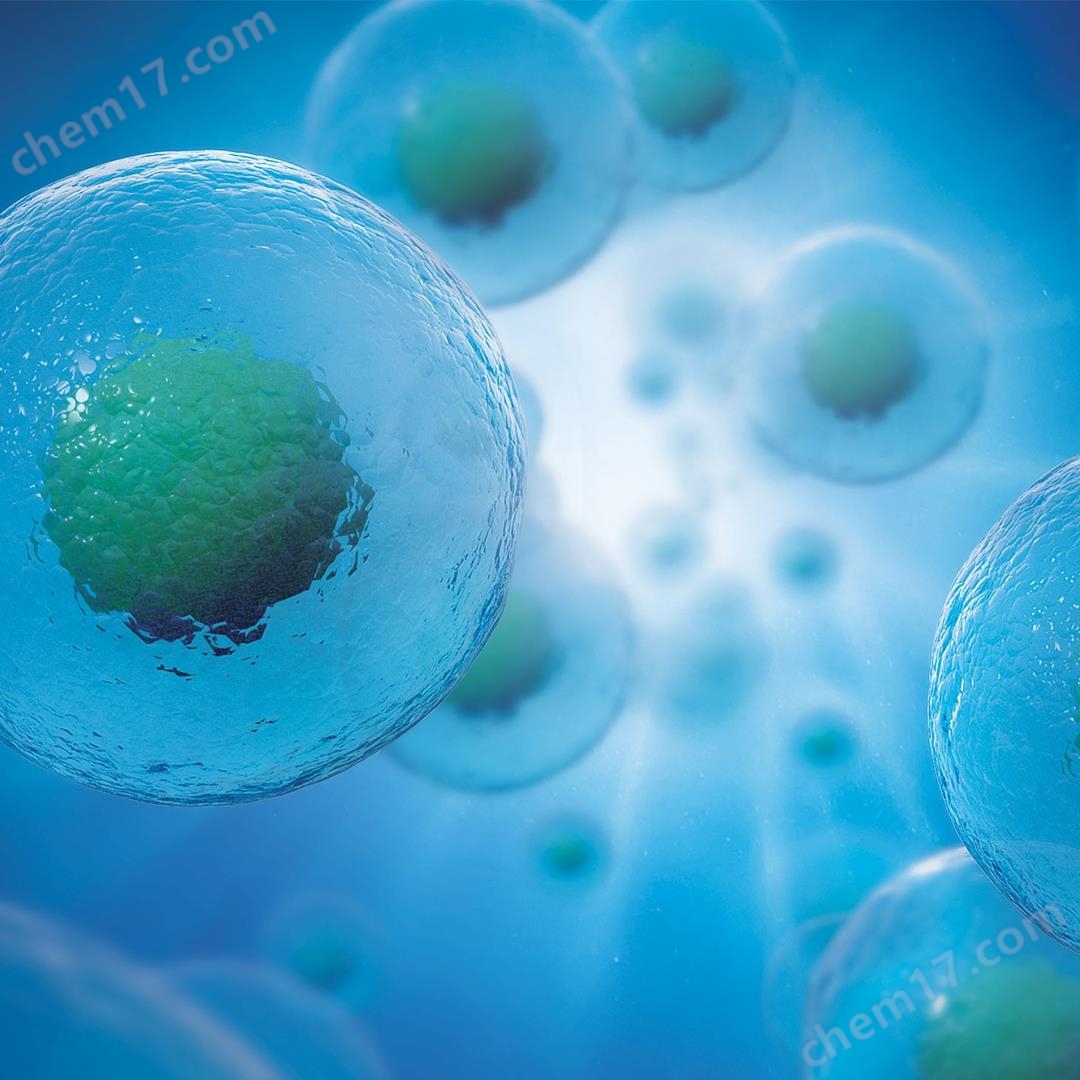


Cell Biology
NegotiableUpdate on 02/08
- Model
- Nature of the Manufacturer
- Producers
- Product Category
- Place of Origin
Overview
Hamilton provides customized and standardized automation solutions for cell biology, specifically designed for cell culture workflows to ensure precision, scalability, and repeatability. With its liquid processing platform and biological sample storage system, Hamilton can automate the entire process of cell culture - from cell inoculation and passage to imaging, cultivation, harvesting, as well as cell freezing and storage - eliminating manual operations.
Product Details
Cell Biology
Cell BiologyStudy the cellular structure and processes that sustain life activities, where each cell functions as an independent unit of structure and function. Cells from different sources are key models for studying disease mechanisms, drug responses, and regenerative therapies. To meet the growing demand for automated cell culture,HamiltonProvide scalable solutions aimed at improving experimental reproducibility, reducing variability, and increasing throughput, thereby promoting the development of modern medicine.
Experimental Procedure

The following steps and techniques are crucial for the workflow of cell biology:
Cell thawing: Controlled thawing of frozen cells to ensure their high survival rate and functionality in subsequent applications.
Cell inoculation: Cells are packed into culture containers at the optimal density to support healthy cell growth and ensure consistency of experimental results.
Medium replacement: Replace depleted medium with fresh nutrient solution to maintain cell survival and function.
Cell passage and division: Transfer and dilute cells into a new culture container to prevent excessive proliferation and maintain a healthy state of cell culture.
Cell freezing: Freezing and preserving cells in a controlled manner using cryoprotectants to ensure their long-term survival ability.
Cell storage: Preservation of frozen or active cultures under favorable conditions to maintain cell integrity and reproducibility.
cell differentiation/ 3DStructure formation: Inducing specific types of cells or constructing three-dimensional structures to better simulate the in vivo environment.
Compound treatment: Expose cells to drugs, chemicals, or biological agents to study their effects on cell membranes, intracellular signaling pathways, chemical reactions, and other cellular functions.
Sample preparation: Processing cells for downstream applications such as staining, fixation, or extraction of biomolecules.
Live cell imaging: Real time monitoring of cell behavior, morphology, and dynamic changes using imaging systems.
Analysis: Evaluate experimental results using techniques such as flow cytometry, high-throughput screening, or molecular detection.
HamiltonProvide customized and standardized automation solutions designed specifically for cell culture workflows, ensuring precision, scalability, and repeatability. With *'s liquid processing platform and biological sample inventory storage system,HamiltonIt can achieve automation of the entire process of cell culture - from cell inoculation and passage to imaging, culture, harvesting, as well as cell freezing and storage - eliminating manual operations.
Our cell biology solutions and applications:
Cell culture, cell-based experiments, nucleic acid extractionPCRBuildNGSLibrary preparation, single-cell analysis, drug development, pre analysis&Initial sample processing
What is the biggest challenge faced in cell biology research?
Scientists face multiple key challenges when conducting cell culture research:
reproducibility-Minor differences during the transfer or incubation process may have a significant impact on the experimental results.
pollution risk-Human operation increases the risk of microbial contamination.
time limit-Manual cell maintenance is time-consuming and labor-intensive.
traceability-Applications: Disease modeling, cell-based detection, biomarker discovery.
with the help ofHamiltonAutomated solutions will transform these challenges into opportunities. The automated cell culture system ensures that cells thrive under consistent conditions, reduces manual operation time, and enables researchers to confidently carry out large-scale operations.
How does automation drive the development of cell biology?
In the rapidly developing field of cell biology, automation is changing the way scientists study life at the cellular level. Traditionally, researchers have had to spend a lot of time on manual cell culture, pipetting culture media, and monitoring cell health - these tedious and susceptible tasks. However, automation is now changing this situation, allowing researchers to shift their focus from repetitive workflows to collaborating with trusted technology partners to achieve breakthrough discoveries.
In the automated workflow of cell biology, each experiment is run in a highly precise manner, cells receive the exact nutrients they need at the right time, the process of medium replacement is seamlessly integrated, and environmental conditions are always well controlled. Hamilton's automated cell culture system makes all of this possible, eliminating experimental inconsistencies, increasing throughput, and accelerating discovery processes in the fields of regenerative medicine, oncology, and drug development.
With the continuous development of stem cell research, gene editing, and cell therapy, automation of cell culture will become the core driving force for the next wave of medical and scientific progress. Whether it's developing personalized treatment plans or discovering new drugs,HamiltonThe automated workflow of cell biology empowers scientists and drives a new era of precision science.


