-
E-mail
2678098758@qq.com
-
Phone
17310506168
-
Address
4E0519, Area C, No. 18 Shanghai Street, Changbiaoke Industrial and Trade Park, Jinnan District, Tianjin City
Product Categories
Tianjin Ruikun Instrument Co., Ltd

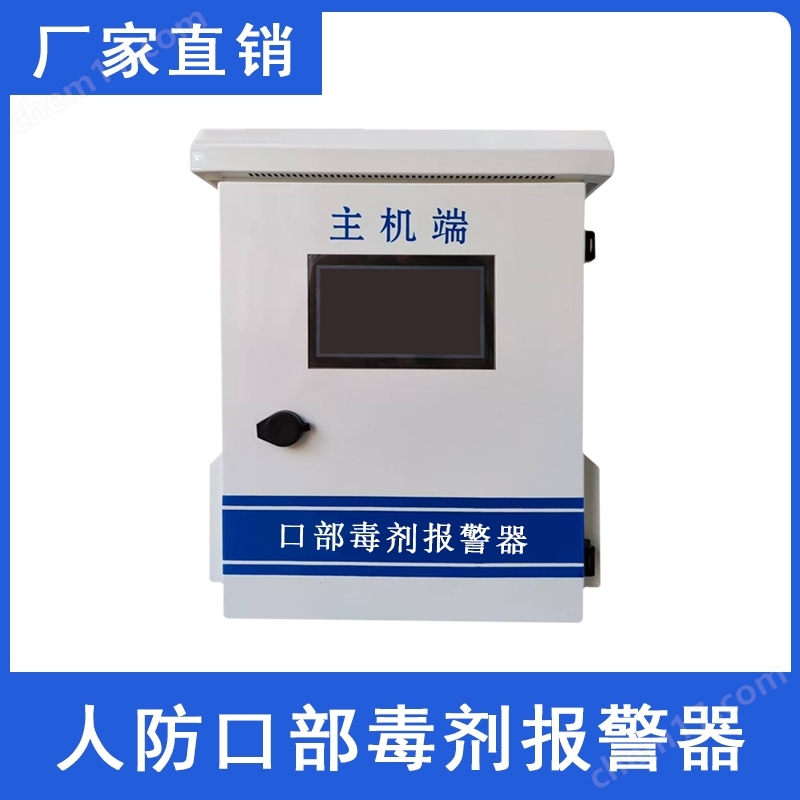


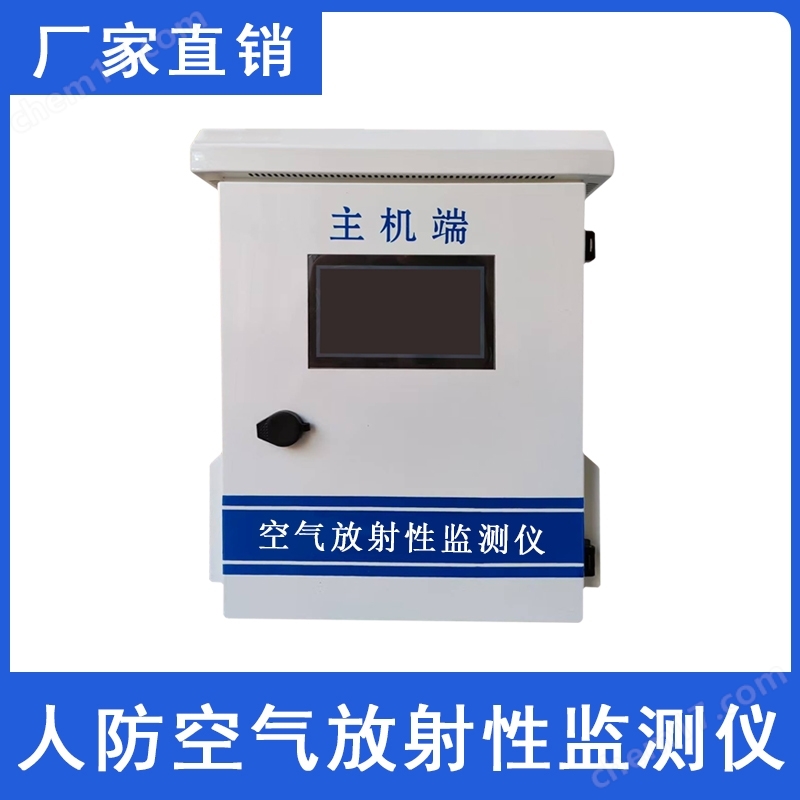
Bayan County Subway Civil Air Defense Biological Alarm JSD-8250
NegotiableUpdate on 02/02
- Model
- Nature of the Manufacturer
- Producers
- Product Category
- Place of Origin
Overview
The JSD-8250 subway civil air defense biological alarm in Bayan County is a device that uses organisms or their metabolites as detection elements to monitor specific chemical substances, organisms, or environmental changes. It can provide real-time alarms and alert of danger. Common biological alarms include sensors used to detect harmful gases, bacteria, viruses, etc.
Product Details
Bayan County Subway Civil Air DefenseBiological alarm deviceJSD-8250
A device that uses living organisms or their metabolites as detection elements to monitor specific chemical substances, biological or environmental changes, and can provide real-time alarms and alert of danger. Common biological alarms include sensors used to detect harmful gases, bacteria, viruses, etc.
The working principle of a biological alarm is usually based on biometric technology, which triggers the alarm mechanism through the response of the organism to specific stimuli. For example, some biological alarms use biomolecules such as enzymes, antibodies, or cells as recognition elements. When these biomolecules bind to the target substance, chemical or physical changes occur, triggering the sensor to generate a signal.
Biological alarms have high specificity and sensitivity, and can accurately identify target substances and respond quickly. They are widely used in fields such as environmental monitoring, food safety, medical diagnosis, etc. In environmental monitoring, biological alarms can monitor the concentration of pollutants in the air in real time, issue alerts in a timely manner, and protect people's health. In the field of food safety, biological alarms can detect harmful substances in food, ensuring the safety and quality of food. In medical diagnosis, biological alarms can be used to detect pathogens or biomarkers, providing doctors with accurate diagnostic evidence.
With the continuous development of biotechnology and nanotechnology, the performance of biological alarms will continue to improve and their application fields will become more extensive. In the future, biological alarms are expected to play an important role in more fields and contribute to the sustainable development of human society.
In addition, biological alarms also have the ability to self update and learn. By combining machine learning algorithms, biological alarms can continuously optimize their detection performance and accuracy. For example, in continuous monitoring of the environment, biological alarms can learn and adapt to new types of pollutants and concentration changes, thereby issuing more accurate alerts.
In the fields of smart cities and smart homes, biological alarms have also shown great potential for application. By integrating into intelligent sensor networks, biological alarms can monitor key indicators such as indoor air quality and water source safety in real time, providing residents with a safer and more comfortable living environment. At the same time, they can also be linked with other smart devices to achieve automated emergency response and risk control.
In the field of healthcare, biological alarms can also be used for chronic disease management and remote monitoring. For example, through implantable or wearable biological alarms, patients' physiological indicators such as heart rate, blood pressure, blood sugar, etc. can be monitored in real time. Once abnormal conditions are detected, an alarm can be immediately issued to the patient or doctor, so that timely intervention measures can be taken to reduce the risk of disease.
Bayan County Subway Civil Air DefenseBiological alarm deviceJSD-8250
Similar Product Recommend