- Phone
-
Address
Shengli Street Park Committee, Baita District
Product Categories
Liaoyang Kexing Instrument Co., Ltd

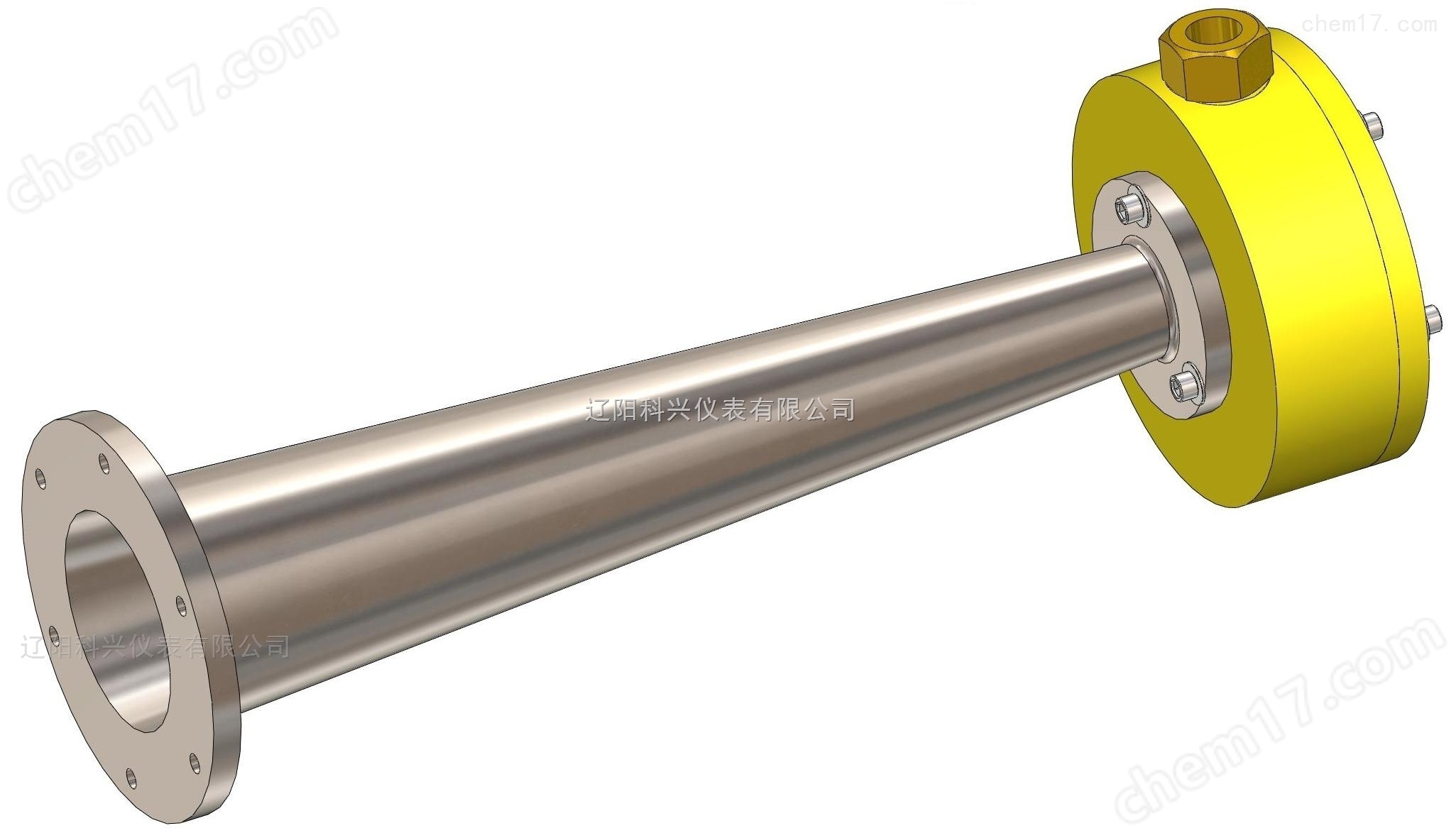
Acoustic horn for particle bonding in dry dust removal evaporation cooling system
NegotiableUpdate on 05/18
- Model
- Nature of the Manufacturer
- Producers
- Product Category
- Place of Origin
Overview
Can eliminate particle adhesion on EGC blowing heads or side walls, as well as in humidification system tubes
Product Details
Can eliminate particle adhesion on EdC blowing heads or side walls, as well as in humidification system tubes. Technical parametersApply compressed air with a pressure greater than 0.62mpa,Particle adhesion problem and solution in evaporative cooling system
1、 The main causes of particle adhesion in evaporative cooling systems include: water quality issues: calcium and magnesium ions in circulating water exceed their solubility after evaporation and concentration, forming scales such as calcium carbonate and calcium sulfate. Chemical reaction: Oxides (such as CaO, FeO) in high-temperature flue gas come into contact with water mist to generate viscous substances (such as calcium iron pyroxene), which adhere to the inner wall of the equipment. Uneven flow velocity: Local flow velocity reduction caused by pipeline bending or equipment structure increases the risk of particle deposition by 3. 2、 The solution for dynamic cooling parameter adjustment involves real-time monitoring of inlet temperature, outlet temperature, and airflow distribution, dynamically adjusting the water volume and nitrogen pressure of the spray gun to avoid local supercooling that may cause droplets to adhere to dust. For example, in the dry dust removal and evaporation cooler of the converter, adjusting the cooling intensity of different areas in sections can reduce the thickness of scaling by more than 50%. Water quality management and scale prevention technology physical treatment: Electromagnetic water treatment or internal magnetic water treatment is used to interfere with the ion crystallization process through a magnetic field, forming loose soft scale for easy cleaning. Chemical treatment: Adding organic phosphonates, polycarboxylates and other scale inhibitors to disperse ions in water and inhibit crystal growth. Changqing Oilfield adopts the "capsule" pharmaceutical technology to make anti scaling agents into slow-release particles, with an effective period of 75-95 days and a 20% reduction in scaling rate. Reverse osmosis technology: removes most of the dissolved salts in water through RO membraneReduce the risk of scaling at the source 9. Mechanical and physical cleaning with high-pressure water gun flushing: Regularly perform physical flushing on the inner wall of the equipment, suitable for removable components 9.
Acoustic vibration technology: similar to the acoustic cleaning system in spray drying, the scaling layer is loosened and dropped through acoustic vibration to avoid shutdown cleaning. Material and structure optimization anti scaling coating: Spray nano scale anti scaling material (such as silica composite coating) on the inner wall of the equipment to reduce particle adhesion by 14. Improvement of flow channel design: Optimize the curvature of the pipeline and the position of the fan, reduce air flow dead corners, such as using a distributed air flow cooling system (DACS) to improve cooling uniformity.
3、 A typical case study shows that a metallurgical enterprise extended the scaling cycle from 2-4 months to over 6 months in a converter dry dust removal evaporative cooler by dynamically adjusting the spray gun parameters and combining them with water quality stabilizers, resulting in a 30% reduction in annual maintenance costs. Another data center adopts immersion liquid cooling technology, combined with reverse osmosis water treatment and intelligent monitoring system, to solve the problem of decreased heat dissipation efficiency caused by dust accumulation in traditional air cooling systems. The PUE is stable below 1.1
Similar Product Recommend