- Phone
-
Address
Shengli Street Park Committee, Baita District
Product Categories
Liaoyang Kexing Instrument Co., Ltd

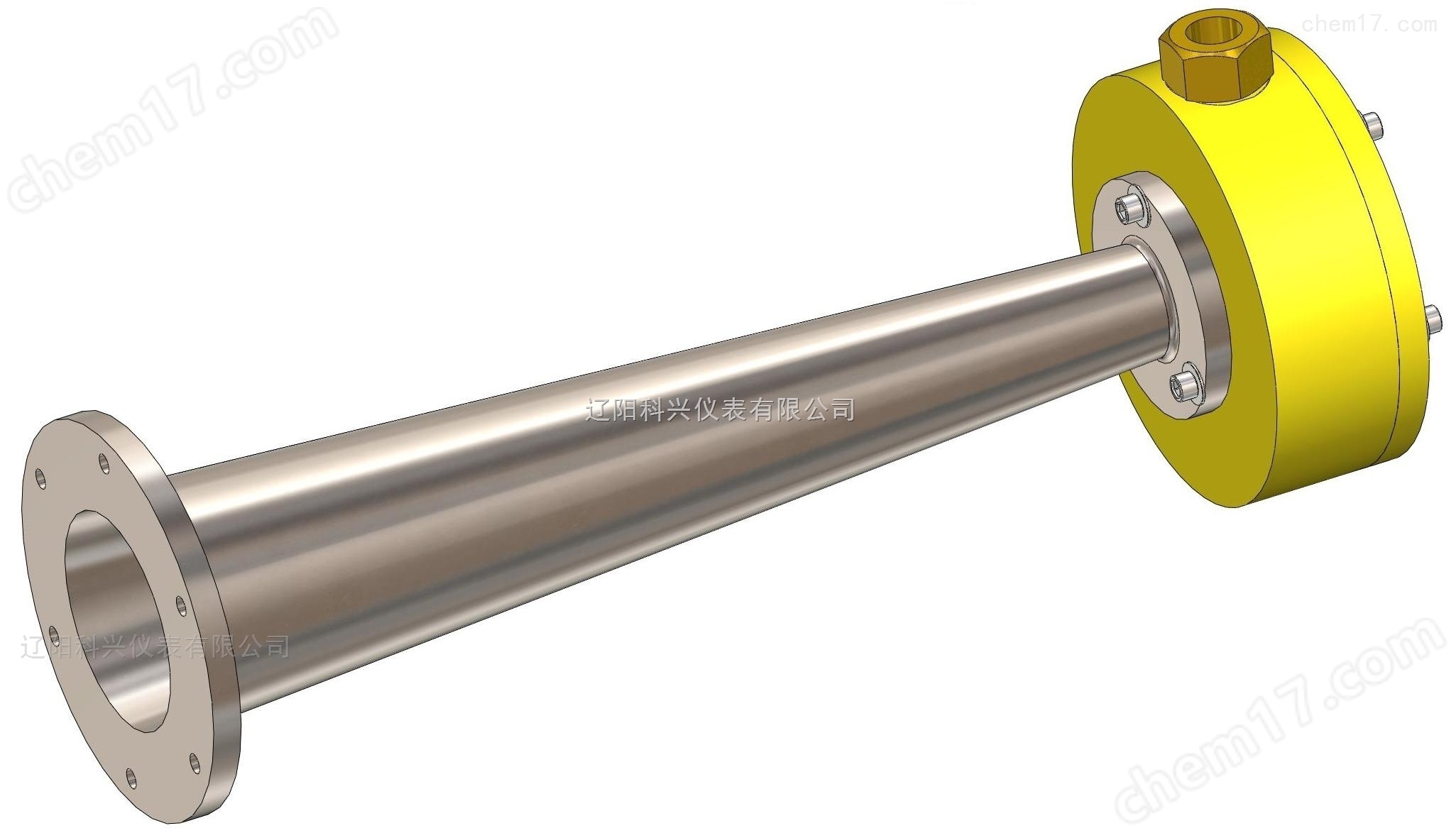
Acoustic horn for kiln tail ring formation
NegotiableUpdate on 05/18
- Model
- Nature of the Manufacturer
- Producers
- Product Category
- Place of Origin
Overview
Acoustic cleaning device for kiln tail ring formation
Product Details
Acoustic horn for kiln tail ring formationUsing sound waves to break up lumps and improve work efficiency,
The application of sound waves compresses air to generate a power source,The core cause of kiln inlet ring formation (nose ring) is the solidification of liquid phase substances on the surface of the kiln lining under high temperature environment. Acoustic cleaners solve this problem by preventing particle accumulation: the continuous action of sound waves keeps the material in a suspended state, reduces the formation of initial sediment layer, and thus suppresses the "growth" of ring formation. Reduce temperature gradient: By keeping the kiln lining surface clean, the premature appearance of liquid phase caused by local overheating is reduced, fundamentally weakening the thermodynamic conditions for ring formation. Dealing with complex components: For viscous rings caused by harmful components such as alkali and sulfur (such as sulfur alkali rings or magnesium alkali rings 519), high-frequency vibration of sound waves can effectively destroy their bonding structure.
Comparison with traditional methods
Conclusion: Acoustic cleaners provide an efficient and low maintenance solution for the formation of kiln inlet nose rings by actively suppressing particle accumulation and liquid phase solidification. Its technological advantages have been verified in practical applications in industries such as cement and steel, especially suitable for complex working conditions with high temperature and high dust. It is recommended to select the appropriate type of cleaner based on the specific parameters of the kiln, such as temperature distribution and material composition, and achieve precise anti caking through intelligent control to improve the overall operating efficiency and economy of the kiln system.
Similar Product Recommend