-
E-mail
3938008690@qq.com
-
Phone
18362667712
-
Address
North 2nd Floor, No. 28 Heshun Road, Suzhou Industrial Park
Suzhou Feisijie Automation Technology Co., Ltd
Honeywell Temperature Sensor Technology Analysis and Selection Guide
Date: 2025-12-19Read: 55
In the field of industrial automation and equipment control, inaccurate temperature measurement often leads to system failures, energy waste, or production interruptions. For example, a sensor failure in an HVAC system may lead to overcooling or overheating issues, increasing maintenance costs and safety risks. So, how to ensure the reliability of temperature sensors? This article will start from technical principles and gradually explain the key points of purchasing, helping you make wise decisions.
The working principle and core concepts of temperature sensors
Temperature sensors convert temperature changes into electrical signals based on physical laws, and common types include thermistors (RTDs), thermocouples, and thermistors. Among them, the thermal resistance sensor utilizes the linear variation of metal resistance with temperature. For example, platinum resistance elements have a resistance of about 100 Ω at 0 ° C, and the resistance increases by about 0.385 Ω for every 1 ° C increase in temperature. This design provides high precision (typically within ± 0.1 ° C) and is suitable for industrial environments such as process control or HVAC systems. Thermocouples measure temperature through the thermoelectric potential generated by two different metal contacts, with a fast response speed but slightly lower accuracy. Understanding these principles can help identify whether the sensor is suitable for your application: RTD is preferred for high-precision scenarios, while thermocouple is considered for fast response requirements.
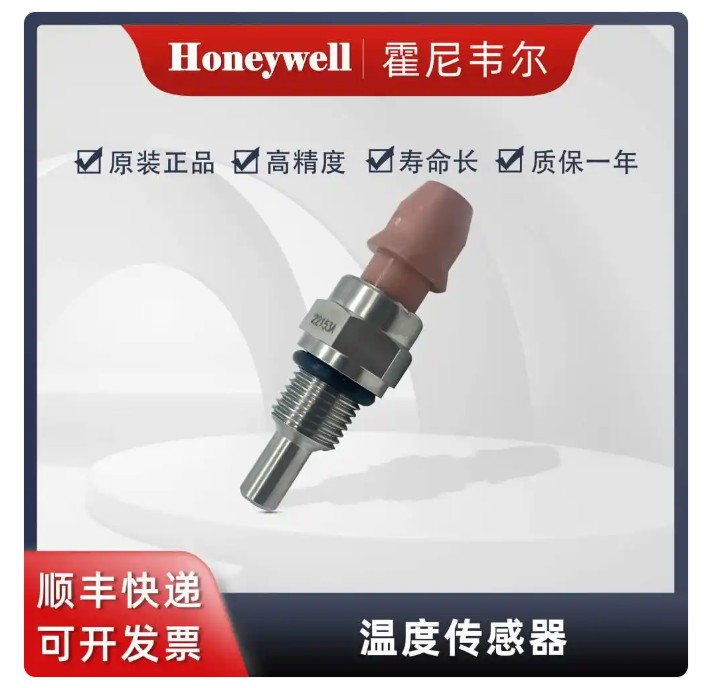
Key tips for selecting temperature sensors
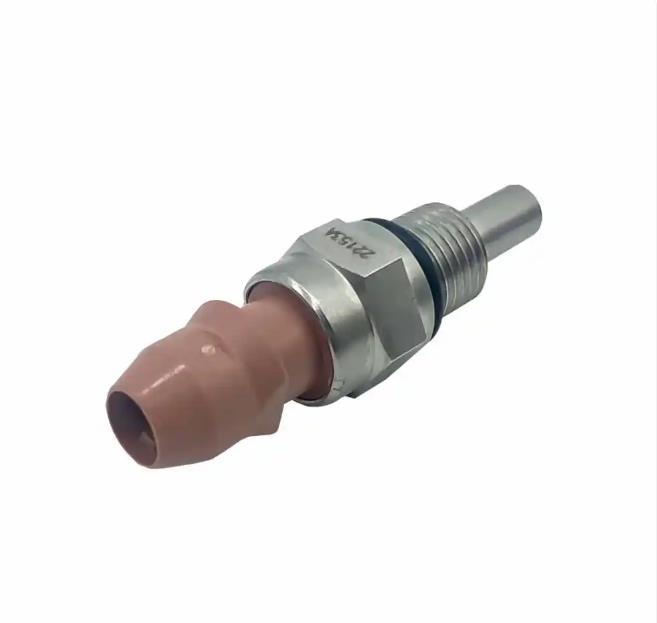
When choosing a temperature sensor, multiple factors should be considered comprehensively to avoid measurement errors caused by improper selection. The following is a purchasing guide based on expert experience:
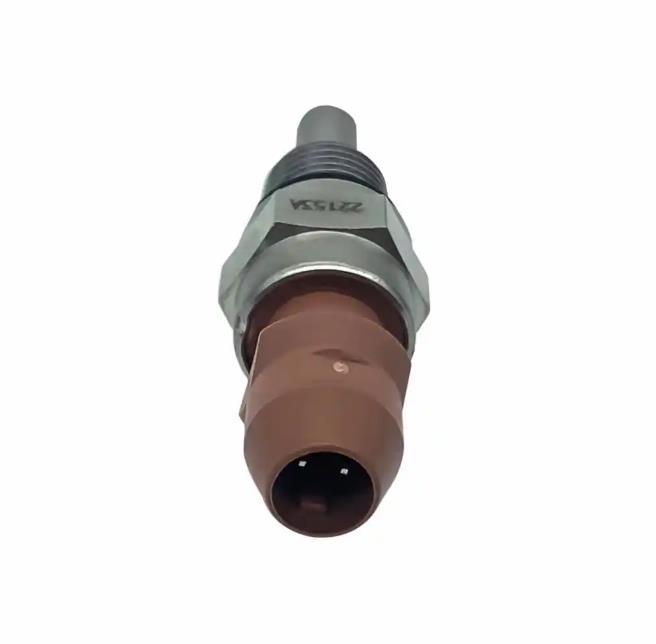
Accuracy and range matchingEnsure that the sensor accuracy (e.g. ± 0.1 ° C) covers your temperature range (e.g. -50 ° C to 150 ° C). In industrial applications, exceeding the range may result in component damage.
environmental adaptabilityAssess work environment factors such as humidity, vibration, or chemical corrosion. Under harsh conditions, prioritize sensors with sturdy packaging to extend their lifespan.
Brand and CertificationChoose to reduce the risk of failure and check if the product meets international standards such as IEC 60751 (for RTD). Avoid non original components to prevent accuracy drift.
After sales and supplyVerify the supplier's after-sales service policy, such as technical support or warranty terms. Stable supply can ensure timely replacement and reduce downtime.
These techniques are derived from practical cases: for example, a factory suffered annual losses of tens of thousands of yuan due to the use of unverified sensors, but improved system stability by optimizing selection criteria.
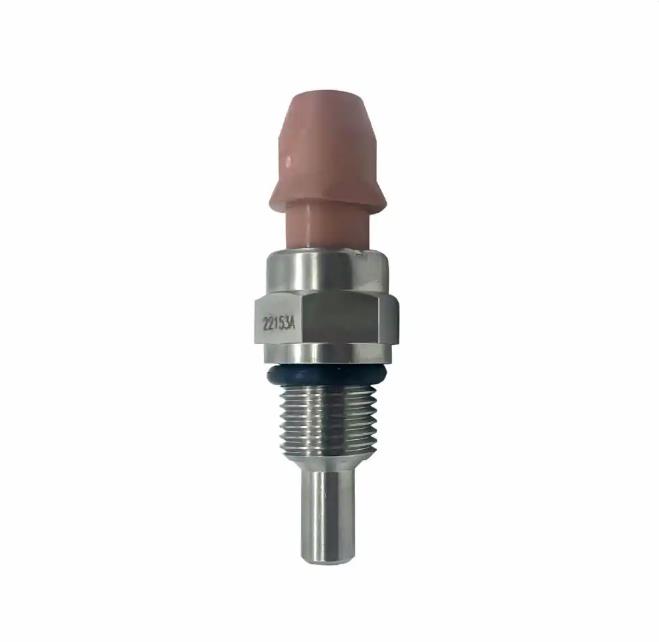
Qualified Example: Honeywell Temperature Sensor
Among numerous options, Honeywell's temperature sensors embody the aforementioned purchasing principles. Taking model 32341507-001 as an example, it adopts a high-end packaging design to enhance environmental tolerance; The original batch number ensures component consistency and verifiable accuracy. The product attributes display the manufacturer's direct sales model, providing a transparent pricing system and worry free after-sales support, such as technical consultation or replacement services. This combination helps users achieve reliable measurements and is suitable for common industrial scenarios. It is worth noting that when making a purchase, it is necessary to evaluate based on specific needs, rather than blindly pursuing the brand - Honeywell's product advantage lies in its long-term accumulated engineering experience.

In short, mastering the principle and selection method of temperature sensors can significantly reduce application risks. By objective comparison, you can find suitable solutions to improve system efficiency.